Courts Intervene to Keep Noncitizen Voting and Ballot Segregation Plans On Hold
Federal judges in Alaska and California issued orders affecting how ballots are counted, while the Postal Service expanded operations to ensure timely delivery.
By Robert Ward ·

Federal courts intervened on Monday to pause two major components of the Trump administration's plan to identify and count ballots cast by suspected noncitizens. A judge in Alaska temporarily barred the administration from carrying out its certification process, while a separate judge in California ordered officials to stop segregating ballots from voters on specific lists. These legal moves have added a layer of complexity to the final day of voting in a midterm election that decides control of Congress.
The administration has argued that its measures are necessary to prevent noncitizens from voting in large numbers. Critics, including many Democratic figures, contend that the plan risks disenfranchising eligible voters and infringes upon the authority states have over their own election processes. The Justice Department has threatened to prosecute local election officials who do not comply, a move that has raised fears of interference and intimidation on Election Day.
In California, the court order specifically halted the demand for election officials to separate ballots cast by people on the administration's lists of suspected noncitizens. This state is a key battleground where Democrats hope to expand their presence. The ruling provides a brief reprieve for local officials who had prepared to implement the segregation protocol, allowing them to process mail ballots in a more standard manner during this critical window.
Simultaneously, the U.S. Postal Service has added hours, staff, and special lines to ensure that mail-in ballots are counted on time. This logistical push is crucial in states like California, where a large portion of the vote is cast by mail. The agency's expanded operations aim to mitigate the risk of delays that could lead to further legal challenges or public confusion as polls close.
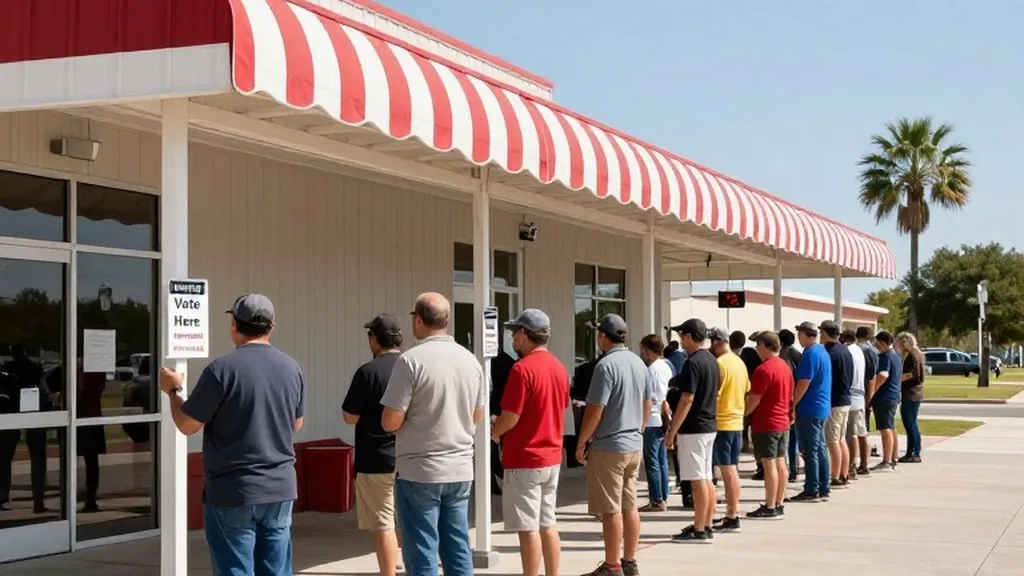
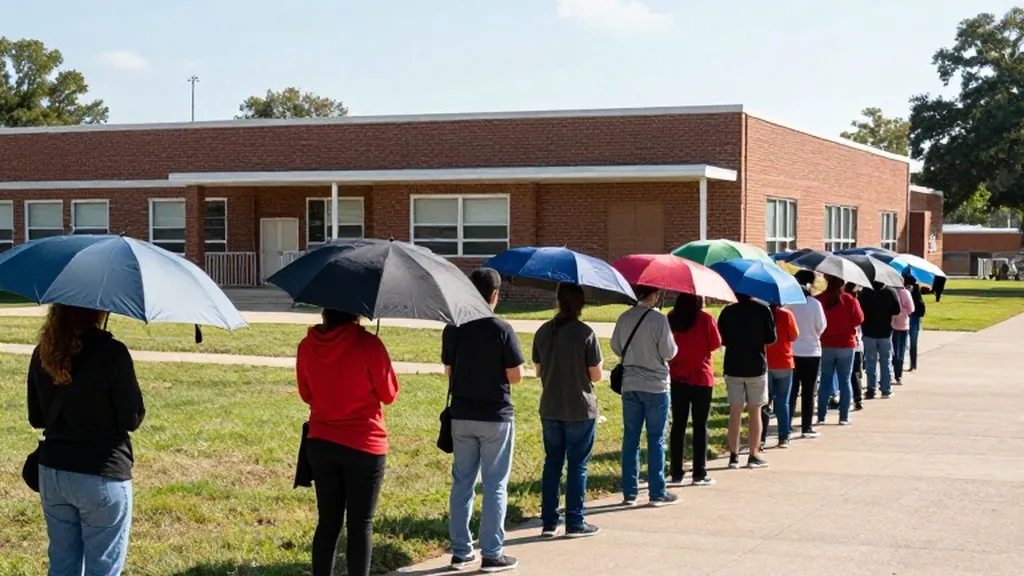
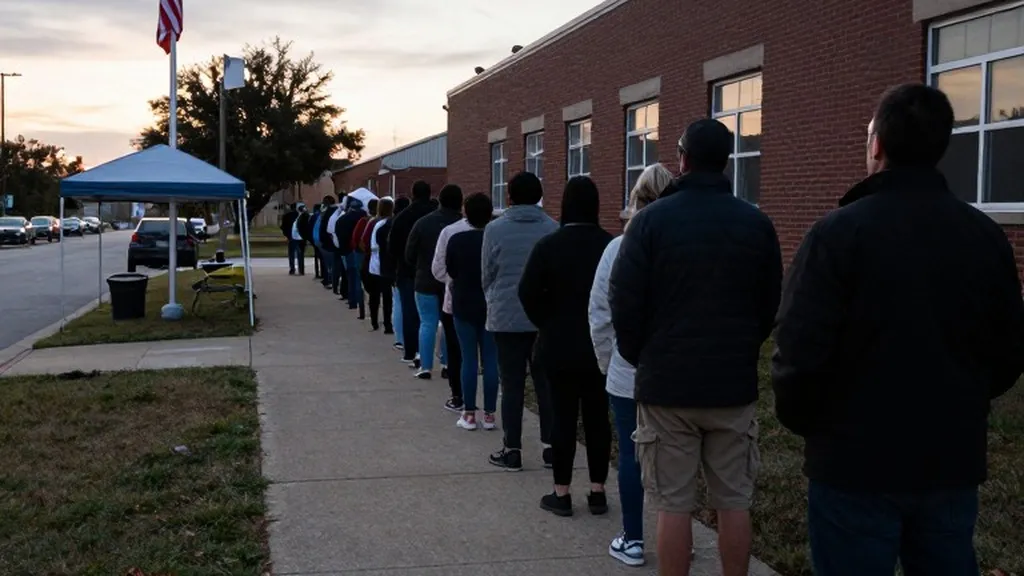
Voters in the South Central region are heading to the polls amid these legal developments. In Texas, polls are open from 7 a.m. to 7 p.m., and the Senate race features Republican Attorney General Ken Paxton against Democrat James Talarico. In Oklahoma, polls are also open from 7 a.m. to 7 p.m., with an open seat in the Senate. Louisiana voters are casting ballots from 6 a.m. to 8 p.m., while Arkansas polls are open from 7:30 a.m. to 7:30 p.m.
The Associated Press describes the election as a referendum on President Donald Trump's second term, with voters struggling with high prices and angry over an unpopular war with Iran. Polling from the AP and NORC indicates that 35 percent of U.S. adults approve of Trump's job performance, while 25 percent approve of his handling of the economy. Approximately seven in ten Americans say the country is heading in the wrong direction, with most blaming the president for high prices.
More than 57 million people had already voted as of Monday, surpassing the early vote of four years ago in many closely watched states. Republicans were bracing to lose the House and fighting to hold the Senate, while Democrats expressed cautious optimism. The money spent on these elections is likely to be the most expensive in history, with Republican committees outraising and outspending Democratic committees, helped by Trump-affiliated groups and Elon Musk.
The legal battles are not limited to the noncitizen voting issue. The Trump administration has continued to make claims about voting fraud, which has intensified the scrutiny on election administration. In Alaska, the administration filed a lawsuit related to the certification of the Senate result, adding another layer of legal uncertainty to a race that is currently rated as a toss-up or leaning Democratic by various trackers.
In California, the governor's race is also a focal point, with the state using a new congressional map after mid-decade redistricting. The legal environment in these states is shaping how voters perceive the fairness of the process. Democrats are arguing that the court orders protect the right to vote, while Republicans maintain that the administration's actions are a standard effort to ensure election integrity.
The Postal Service's measures are being closely monitored by election officials who are working to clear backlogs. The addition of special lines and extra staff is a direct response to the high volume of mail ballots and the tight deadlines for counting. This logistical effort is happening in parallel with the court orders, creating a complex operational landscape for election workers across the country.
As polls close in states like Texas and Oklahoma, the focus will shift to how these legal rulings impact the final tally. The orders from federal judges in Alaska and California set a precedent for how other states might handle similar challenges. The outcome of these midterm elections will determine who controls Congress for the final two years of Trump's term, with significant implications for the administration's legislative agenda and potential oversight investigations.