Massachusetts Begins First Major Oyster Reef Restoration in Westport River
Researchers are planting 60 acres of shells to rebuild a habitat lost to overharvesting and pollution, aiming for a self-sustaining ecosystem by 2050.
By Ibrahim Howard ·
The Westport River is the site of the first large-scale oyster reef restoration in Massachusetts history. The project, led by the Division of Marine Fisheries and The Nature Conservancy, targets a specific stretch of the river known for its brackish waters and wide mouth.
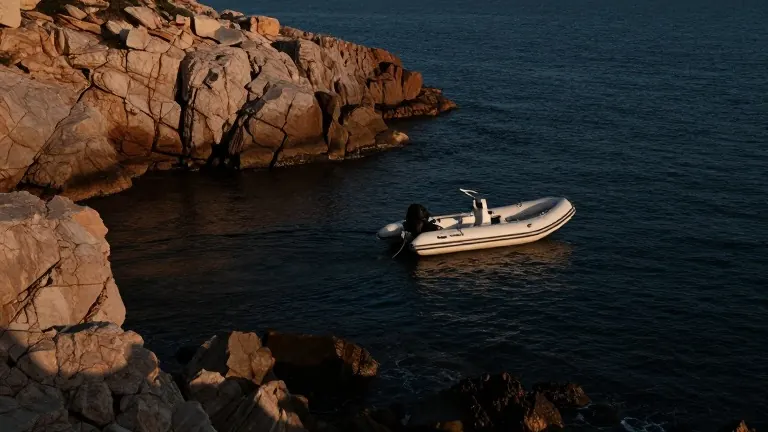
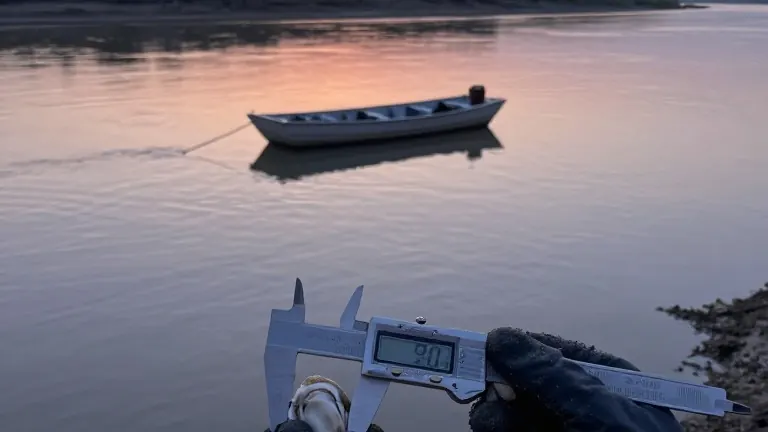
In October, a team including seasonal technician Summer O’Rourke and Habitat Restoration Specialist Sean Terrill surveyed the riverbed to establish a baseline. They counted and measured existing oysters, noting that the shellfish were thriving even in areas open to recreational shellfishing. O’Rourke, who grew up handling her father’s catch, used digital calipers to record growth data over a seven-hour session on the water.
The initiative received a five-year federal grant in 2024. Terrill noted that while similar projects have succeeded in the Chesapeake Bay, this is the first of its kind in the Commonwealth. The team had to secure approval from local towns, including Westport, Fairhaven, Mashpee, and Bourne, because no statewide body manages shellfishing grounds.
The Westport River was selected as the flagship site due to its ideal conditions. Strong currents can prevent larvae from settling, while muddy bottoms can bury them. Terrill stated that the river’s specific hydrology meets the criteria for successful restoration, a region that once held hundreds of acres of reef habitat.
In the spring, the team will seed the site with cultch, which consists of recycled oyster shells. Nonprofits like the Massachusetts Oyster Project help collect these shells from fish markets to keep them out of landfills. Once the cultch is placed, scientists will add spat-on-shell, a mixture of larvae and shells, to encourage larval attachment.
Terrill described the goal as connecting the dots between existing reefs. He wants the new populations to produce larvae that travel to neighboring reefs, creating a meta-population with higher genetic diversity. He admitted that the process involves guesswork, saying the team will have to see what happens as the project unfolds.
Success metrics are still being defined. In the Chesapeake Bay, a healthy reef is often measured at 50 oysters per square meter. However, some areas in the Westport River already show hundreds of oysters per square meter. The long-term target is to restore 2,500 acres of reef by 2050, a small recovery compared to the thousands of acres lost over the past five centuries.