Texas and South Central voters decide fate of Education and War oversight
Democrats secure majorities in Congress to challenge Trump administration policies on education and the Iran war, following a decisive vote in the South Central region.
By Ibrahim Howard ·
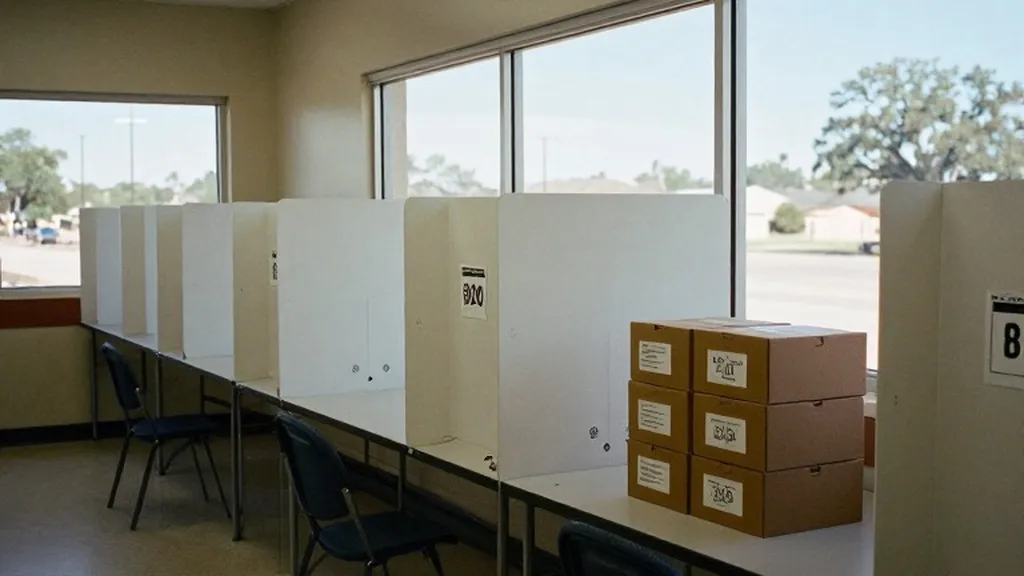
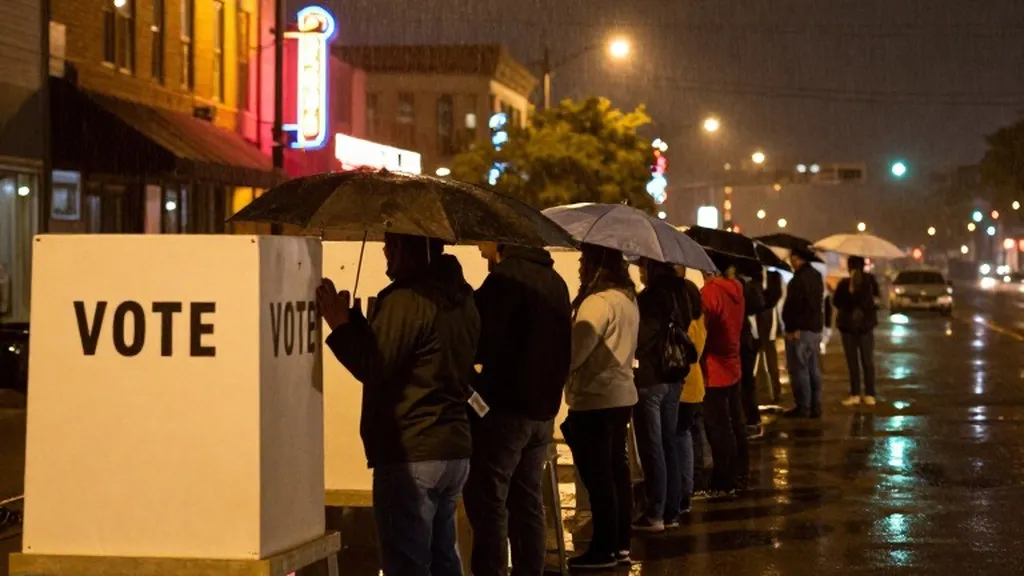
Voters in Texas and the South Central states cast their ballots on Tuesday, November 3, 2026, in a midterm election that resulted in a significant shift of power in Washington. The outcome has set the stage for a new dynamic in which Democrats, now holding majorities in both chambers of Congress, prepare to scrutinize the administration of President Donald Trump. The election concluded a cycle defined by intense debates over the cost of living, health care, and the ongoing military conflict in Iran. For residents of Texas, Oklahoma, Louisiana, and Arkansas, the decision was not merely about local offices but about the future direction of federal policy and oversight.
In Texas, polls were open from 7 a.m. to 7 p.m., allowing residents to participate in races for the U.S. Senate and the governor's office. The state faced an open Senate seat, while incumbent Governor Greg Abbott sought a new term. The high turnout in this large state was critical for determining the balance of power in the Senate. Texas voters, like those across the South, weighed their choices against the backdrop of a federal government that had been criticized by Democrats for its handling of economic and military matters.
Oklahoma followed a similar timeline, with polls open from 7 a.m. to 7 p.m. on Election Day. The state held races for an open Senate seat and an open governor's race. The competitive nature of these contests reflected the broader national trend where Democrats aimed to reclaim control from Republicans. The results in Oklahoma contributed to the overall picture of a wave election that saw Republicans lose a net of at least seven U.S. Senate seats.
In Louisiana, the voting schedule was extended, with polls open from 6 a.m. to 8 p.m. on Tuesday for standard elections. The state had an open Senate race, adding to the number of critical contests that would determine the makeup of the new Congress. The absence of a governor's race in Louisiana meant that state voters focused their energy on federal representation, a factor that likely influenced their decision-making process regarding the administration's performance.
Arkansas offered a slightly different schedule, with polls open from 7:30 a.m. to 7:30 p.m. on Election Day. The state held races for the U.S. Senate, where incumbent Tom Cotton faced challengers, and for governor, where incumbent Sarah Huckabee Sanders sought re-election. The outcome in Arkansas was part of a wider pattern of Democratic gains in state legislatures and governorships, marking the first time since before the 2010 elections that Democrats won a majority of governorships.
The national results confirmed that Democrats won majorities in both the U.S. House and the Senate. They picked up at least 43 House seats and seven Senate seats, all of which had previously been held by Republicans. As of 4 p.m. EST on November 6, Democrats held a 250-157 majority in the House and a 54-44 majority in the Senate. This shift in power allows the new Democratic leadership to begin implementing their agenda, which includes a focused effort to use oversight and appropriations powers to check the executive branch.
Rep. Bobby Scott of Virginia, the top Democrat on the House Committee on Education and the Workforce, has already signaled his intent to use the committee's investigative powers. He stated that he plans to leave no rock unturned as he takes the helm of the panel. The committee is preparing to explore the Trump administration's dismantling of the U.S. Education Department, its oversight of federal student loans, and its anti-discrimination policies. This move is a direct response to the administration's efforts to close the department and end diversity, equity, and inclusion policies.
Sen. Elizabeth Warren of Massachusetts has called on her colleagues to hold the administration accountable for dismantling the Department of Education. She emphasized the need to address the impact of these changes on students across the country. The new Democratic majority in the Senate will also look to use the power of the purse to establish guard rails and prevent what they describe as abusive practices in education funding. This approach aims to stop the bleeding of federal education initiatives while seeking to reverse the harm that has already been done.
The impeachment resolution introduced by Rep. Thomas Massie of Kentucky adds another layer of pressure on the administration. Massie moved to force a vote to impeach Defense Secretary Pete Hegseth, citing the war in Iran as a primary factor. The resolution focuses on what Massie described as high crimes and misdemeanors committed by the secretary. This action highlights the Democratic strategy of using legislative tools to scrutinize military decisions and hold administration officials accountable for their roles in the Iran war and other military actions.
House Speaker Mike Johnson of the Republican Party warned against impeaching a Cabinet secretary in the middle of hostilities abroad. He argued that such a move would be a terrible look for the United States and its allies. However, the shift in power in Congress makes it more difficult for Republicans to block such initiatives. The new Democratic majority in the House provides a stronger base for supporting impeachment efforts, with Democratic Leader Hakeem Jeffries stating that it is time for the Defense secretary to go.
The election results also reflect a broader trend of Democratic gains in state government. Democrats won a plurality of state government trifectas and state legislative chambers. This expanded control at the state level will allow them to coordinate with federal efforts to push back on administration policies. The combined strength of the new Congress and the state legislatures provides a robust framework for implementing the Democratic agenda on issues ranging from health care to education and military oversight.