Breaking: Election Day is here! Make your selections: The cost of living and control of Congress are on the line
Voters across the nation head to the polls on Tuesday to decide the fate of Congress and key governorships, with Democrats focused on affordability and oversight while Republicans rely on a significant funding advantage to defend their majorities.
By Robert Ward ·
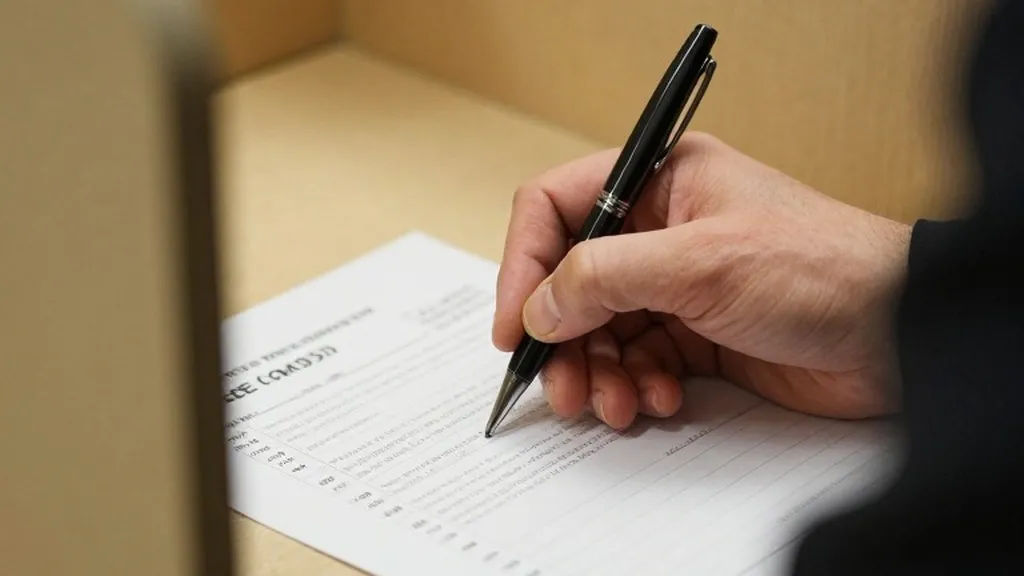
Polls are open across the United States as voters cast their ballots in the 2026 midterm elections, a decisive contest that will determine which party controls Congress for the final two years of President Donald Trump's second term. According to the Associated Press, the day is being framed as a referendum on the administration's performance, with many citizens expressing frustration over high prices and the ongoing war in Iran. Democrats are approaching the day with cautious optimism, aiming to reverse the historical trend of the president's party losing seats. They are focused on securing a net gain of three House districts and four Senate seats to achieve majorities in both chambers. A victory in either house would likely trigger new investigations and potential impeachment proceedings, a prospect that House Democratic Leader Hakeem Jeffries has tied to his 100-day agenda on cost of living and oversight.
Rep. Suzan DelBene, the chair of the Democratic Congressional Campaign Committee, emphasized the mood in the country in recent remarks. She stated that the American people are angry and that they want change. This sentiment is echoed by voters in key battleground states who are weighing the economic strain against their political loyalties. The stakes are high for the Democratic Party, which currently holds 214 House seats and 45 Senate seats. With 435 House seats and 35 Senate seats up for grabs, every district matters. Democrats also hope to gain control of the governorships, a position they have not held in a nationwide majority since 2010, which would boost the profiles of potential 2028 candidates such as Gavin Newsom, JB Pritzker, and Pete Buttigieg.
In the South Central region, voters are engaged in critical races that could shift the balance of power in the region. In Texas, polls are open from 7 a.m. to 7 p.m. local time, and the state is deciding an open Senate seat and the governor's office, where incumbent Greg Abbott faces his challengers. The Associated Press notes that the Texas Senate race is particularly competitive, pitting Republican Attorney General Ken Paxton against Democrat James Talarico. In Oklahoma, polls are also open from 7 a.m. to 7 p.m., with voters choosing between candidates for an open Senate seat and an open governor's race. Louisiana voters, whose polls open at 6 a.m. and close at 8 p.m. on Tuesday, are selecting a candidate for an open Senate seat, while the state has no governor's race on the ballot this cycle.
Arkansas voters will head to the polls from 7:30 a.m. to 7:30 p.m. to decide the fates of incumbent Senate candidate Tom Cotton and incumbent Governor Sarah Huckabee Sanders. These four states represent a significant portion of the Democratic strategy to hold the South while expanding into new territory. The region has seen significant political shifts in recent years, and today's results will indicate whether the administration's popularity holds firm in these conservative heartlands or if economic concerns drive voters toward the opposition. The outcome in these states will also influence the broader narrative of the election, as they are often seen as bellwethers for the national mood.
Nationally, the Senate race is a tight contest with 33 regular elections and two special elections for the rest of the terms held by Marco Rubio and JD Vance. Republicans currently hold 53 seats, while Democrats hold 45, plus two independents who caucus with Democrats. The Associated Press reports that 11 senators are not running again, including four Democrats and seven Republicans. In key races, Democrats are defending seats in states like Georgia and Michigan, while Republicans are holding their ground in places like Kansas and Alaska. The AP notes that economic strain and tariffs have made states like Maine competitive, where Senator Susan Collins faces Democrat Troy Jackson. In Michigan, the race is between Republican former Representative Mike Rogers and Democrat Abdul El-Sayed, with the latter receiving an endorsement from his former primary opponent Haley Stevens on Sunday.
The House race is equally pivotal, with all 435 seats up for election. Republicans hold 218 seats and Democrats 214, with one independent and some vacancies. Democrats need a net gain of three seats to take control, while Republicans can afford to lose only two. Ballotpedia identifies 46 battleground districts, with 25 held by Democrats and 21 by Republicans. The AP notes that 21 districts held by Democrats voted for President Trump in 2024, while nine Republican-held districts voted for Kamala Harris. This split vote pattern suggests that partisan loyalty is not the only factor at play, as economic issues and candidate quality play significant roles in these competitive districts.
Voters are also choosing 36 governors, with Republicans holding 26 offices and Democrats 24. The Associated Press highlights several competitive governor's races, including those in Texas, Florida, and Iowa. In Georgia, Republican health care executive Rick Jackson faces Democratic former Atlanta Mayor Keisha Lance Bottoms. In Nevada, Republican Governor Joe Lombardo runs against Democratic Attorney General Aaron Ford. In Ohio, Republican Vivek Ramaswamy faces Democrat Amy Acton, with the race marked by controversy over an ad featuring Acton's estranged mother. Democrats aim to hold a majority of governorships for the first time in two decades, a goal that would strengthen their influence in state legislatures and future congressional maps.
Financially, the 2026 elections are expected to be the most expensive in history. According to AP analysis of AdImpact data, Republican committees have outraised and outspent their Democratic counterparts, aided by Trump-affiliated groups and Elon Musk. However, at the candidate level, Democrats have outraised their opponents. The AP reports that 88.1% of Republican general election TV ad spending went to states and districts that Trump won in 2024, including more than $850 million in areas where he won by 10 points or more. This spending pattern reflects the Republican strategy to defend their base, while Democrats focus on competitive districts where their funding advantage can make a difference.
The mood among voters is shaped by economic concerns, with AP-NORC polling showing that 35% of U.S. adults approve of Trump's job performance and 25% approve of his handling of the economy. About seven in 10 Americans say the country is heading in the wrong direction, and most blame the president for high prices. James Moore, a 57-year-old librarian in Raleigh, North Carolina, captured this sentiment, saying, "I'm paying more taxes. I'm paying more for my healthcare. I'm paying more for everything." In contrast, Mark Barker of Palm Beach Gardens, Florida, expressed support for the president, stating, "I've just been following Trump the whole time. I really think he's doing an awesome job." These differing views highlight the deep divisions that will shape the election results.
Administrative issues have also played a role in the lead-up to election day. A federal judge temporarily barred the Trump administration from carrying out a plan to prevent noncitizen voting, a move that critics say risks disenfranchising eligible voters. Another judge ordered the administration to stop demanding that California officials segregate ballots cast by people on lists of suspected noncitizens. The U.S. Postal Service has added hours, staff, and special lines to ensure mail ballots are counted on time. These steps are crucial for ensuring that every vote is counted and that the election proceeds smoothly despite the high stakes and potential for controversy.