Tesla Expected to Open Optimus Robot Reservations in Early December, Industry Expert Says
A robotics investor says Tesla plans to start taking customer reservations for its Optimus humanoid robot around a December conference in San Mateo, though CEO Elon Musk appeared to reject the idea.
By Naledi Dlamini ·
Tesla is expected to begin accepting customer reservations for its Optimus humanoid robot in early December, according to an industry expert, in what would be the first opportunity for consumers to join a waiting list for the highly anticipated but unproven technology.
Modar Alaoui, a robotics investor at ALM Ventures, told The San Francisco Standard that while the majority of Tesla's robots will be sold to companies, a small number will be set aside for individual buyers. He said the first shipment is expected to include the Optimus V3 model, since the previous generation was primarily a prototype. The robots likely would not ship for about another year after reservations open, and each unit is expected to cost more than $20,000.
On Friday afternoon, Tesla CEO Elon Musk appeared to dispute any December waitlist plans, posting the single word "No" on X. Tesla did not respond to requests for comment.
Alaoui runs a robotics conference called The Humanoids Summit, set to take place Dec. 1 and 2 in San Mateo. He said Tesla told him reservations would be timed to launch with the event or in the days that follow. Tesla is a key partner of the conference this year and plans to demonstrate the Optimus V3 there and showcase its self-driving cars. It is unclear whether any money will be required to reserve a robot.
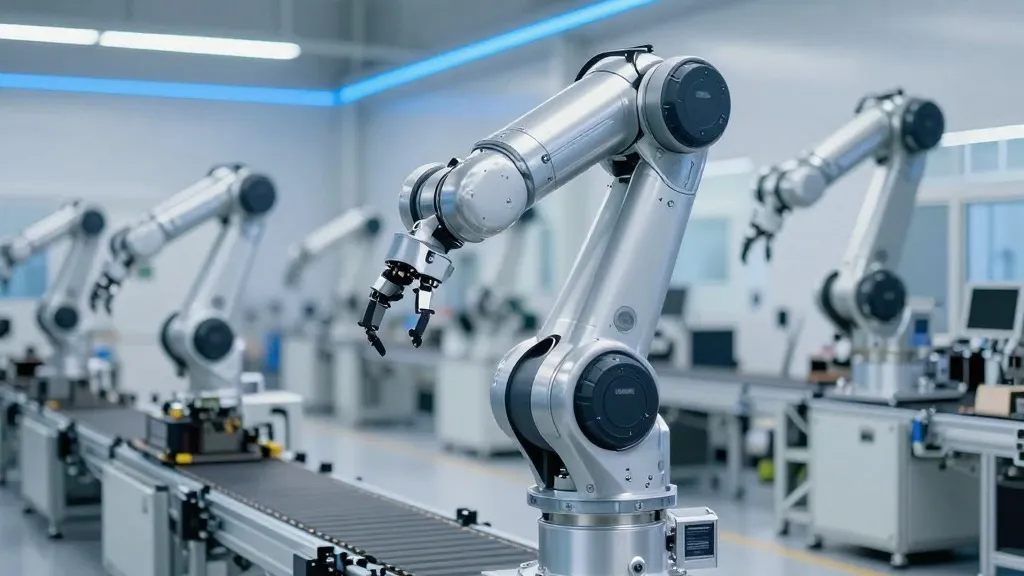
Musk first teased the robot in 2021 at the company's AI Day event. Optimus has two arms, two legs and a human-shaped physique that Tesla says allows it to navigate the world and take on tasks people would rather avoid, such as keeping an eye on children, walking the dog or cooking. At a promotional event last year, an Optimus unit scooped popcorn into bags and handed them to guests.
Tesla is counting on Optimus to become a huge moneymaker. In January, Musk announced the company would end production of its long-running Model S and Model X vehicles and convert the parts of its Fremont factory where they were built to manufacture the humanoids instead. Musk confirmed during the company's October earnings call that Optimus production has started at the Fremont facility, which Tesla expects will produce 20,000 robots per week by roughly the end of 2027.
A spot on a waitlist, however, is no guarantee of quick delivery, or any delivery at all. Tesla has been accepting reservations for its Roadster car for a decade, with potential buyers paying more than $50,000 to join the list, and no deliveries have been made. Musk acknowledged in the earnings call that Optimus still has problems with its AI, its electromechanical design and how long it can run. "I do expect these issues to be solved around the end of next year," he said. "So that's the time to expect when we're delivering Optimus to companies outside of Tesla."
Tesla is hardly alone in the race to ship useful humanoid robots to American customers. Palo Alto-based 1X opened reservations for its own $20,000 robot last year but has yet to deliver any, and the same is true of Germany's Neura Robotics and the U.K. company Humanoid. Chinese companies have begun delivering humanoids to domestic customers, though those machines are limited in the tasks they can complete. Other competitors, including Boston Dynamics and San Jose's Figure, have not opened public waitlists.
Even without a proven consumer market, robot makers may be betting on the enthusiasm of a generation raised on science fiction featuring humanoids, from Star Wars to The Terminator and Blade Runner. Practical questions remain: household chores rank among the hardest skills for a robot to master, since every home looks different and the machines must account for the movements of people and pets. Musk has said Tesla will need to produce between 10,000 and 20,000 robots just to gather the data needed to train them.
Originally published by News Media House · Source: The San Francisco Standard