Tesla Reports 1.74 Million FSD Users Under New Compensation Rules
The automaker's latest shareholder letter reveals that its active self-driving count includes one-time buyers, a metric tied directly to Elon Musk's 2025 pay package.
By Jacob Leary ·
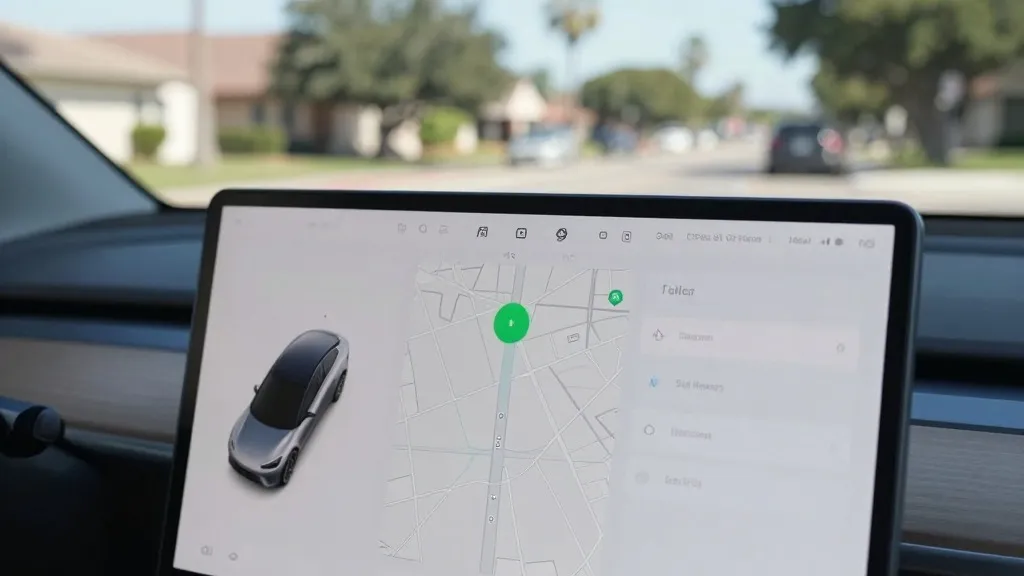
Tesla has officially announced that it now supports 1.74 million active Full Self-Driving subscriptions as of its Q3 2026 report. This figure represents a 67% year-over-year increase, marking the company's best quarter for adding new users. However, the number is not just a standard sales metric. It is calculated using a specific definition that aligns with the operational milestones required for Elon Musk to earn his 2025 CEO performance award.
The first key point is how these users are defined. A footnote in the shareholder letter states that the count includes both upfront purchases and monthly subscriptions. This means that owners who bought the software outright, some as far back as years ago, are still counted as active subscribers. Tesla stopped selling FSD as a one-time purchase on February 14, 2026. Since then, new customers in the US have only been able to access the feature for a monthly fee of $99. Nevertheless, anyone who paid up to $15,000 before that date remains in the total count as long as their vehicle is active. The only exclusion from this metric is free trials.
The second key point involves the company's claim regarding new sales. Tesla reports that more than 75% of new deliveries in North America included an FSD subscription during the third quarter. The company describes this as a nearly twenty percentage point increase compared to the previous quarter and suggests that FSD is driving demand in markets where it is available. While this attach rate is a significant figure, the letter does not define exactly how it is calculated. It is unclear whether this includes subscriptions started with introductory offers or how many of those buyers continue paying after the initial period. Unlike the active subscription metric, the attach rate does not explicitly state that free trials are excluded.
The third key point is the connection to Musk's compensation structure. The 2025 award consists of twelve tranches, each requiring both a market capitalization milestone and an operational achievement. One of these operational targets is reaching 10 million active FSD subscriptions. Other targets include delivering 20 million vehicles, deploying 1 million Optimus robots, and operating 1 million robotaxis. As of June 30, Tesla considered only the 20 million delivery milestone to be probable. The company has now reached 10.2 million cumulative deliveries, a figure that also counts unsupervised robotaxis placed into commercial operation, matching the definition used for the pay package.
The context of these numbers highlights a gap in transparency. In April, when Tesla reported 1.28 million active subscriptions, analysts noted that the company did not specify how many of those users were paying monthly. Six months later, that distinction remains absent from the reporting. Tesla added 260,000 net FSD subscriptions in Q3. If the company continues to add users at this specific quarterly pace, it would take approximately eight years to reach the 10 million milestone. However, looking at the average growth over the last 12 months, which is about 700,000 per year, the timeline stretches to closer to 12 years. The compensation award remains valid until 2035.
This metric has become the headline software statistic for Tesla. The board approved the definition, and it is now a central part of the narrative around the company's progress. Critics argue that while counting upfront buyers is not technically wrong, labeling them as subscribers can be misleading. It presents a total that proves momentum, even though the definition was crafted to fit the pay package rather than to give investors a clear view of the recurring revenue model. Many of these users were sold on the promise of unsupervised self-driving, a feature Tesla has not yet fully delivered to all markets.
The outlook depends on whether the high attach rate translates into long-term retention. A 75% take rate on a $99 monthly service would represent a substantial business if customers stay subscribed. Investors are now waiting to see data on how many North American buyers who started a subscription in the second quarter are still paying today. Until Tesla provides a breakdown of monthly payers versus lifetime owners, the 1.74 million figure remains a hybrid metric. It reflects the number of cars with the software installed, but it does not fully clarify the scale of the ongoing subscription business.
For consumers in Texas and the South Central states, this shift to a subscription model changes the cost of ownership for new EVs. With the one-time purchase option gone, buyers must decide if the monthly fee is worth the convenience. The company's confidence in the 75% attach rate suggests that many drivers are finding value in the feature. However, the lack of clarity on how many of those drivers are still paying after a few months leaves some questions open. Tesla knows these numbers, and as the company moves closer to the 2035 deadline, the way it defines success will continue to drive investor interest and public debate.
Source: Electrek