Tesla Targets $100 Billion Market as Optimus Production Ramps Toward 20,000 Robots Per Week
The automaker has confirmed its Fremont line is producing the first commercial-grade humanoid units, with a specialized training academy set to accelerate AI development for industrial deployment.
By Xiaoyu Wang ·
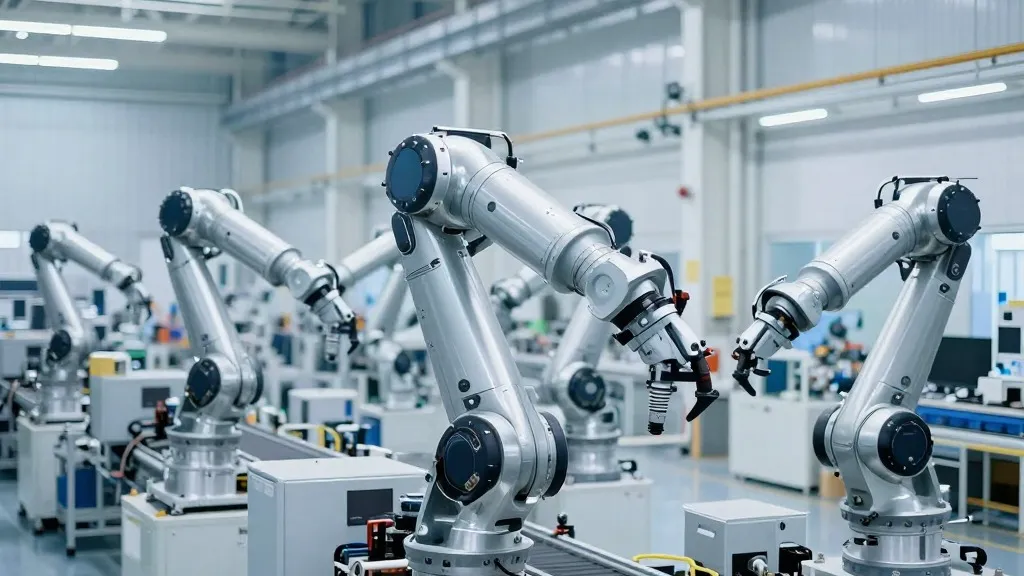
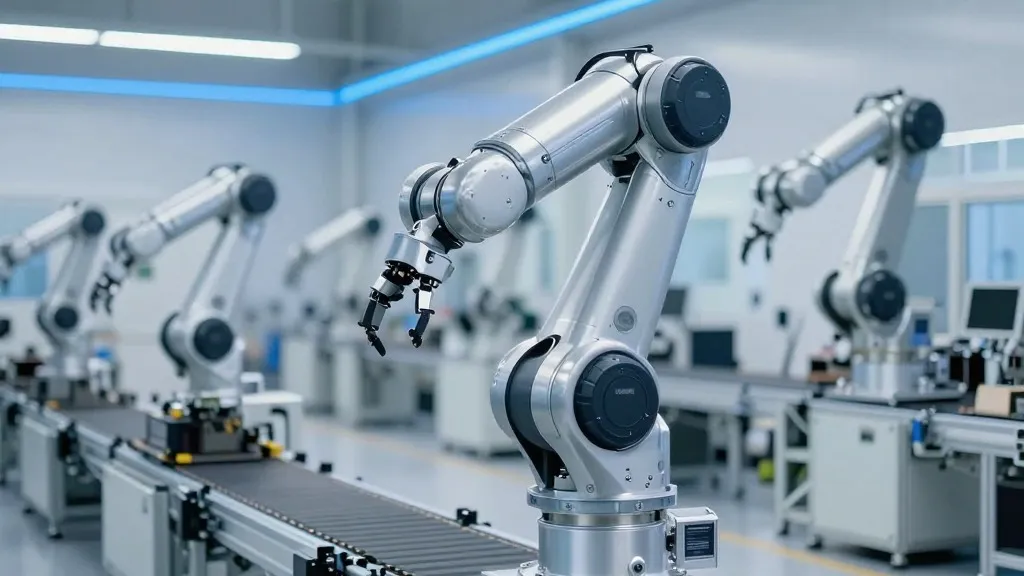
Tesla has officially moved its humanoid robot, Optimus, from prototype status to high-volume manufacturing, a strategic pivot that positions the company to capture a significant share of the global industrial automation market. The core of this expansion is a dedicated production line within the Fremont factory, now capable of churning out units at a pace that could reach approximately 20,000 robots per week once fully ramped. This capacity is designed to support an annual output target of one million units, signaling a serious commitment to scaling humanoid technology for commercial viability rather than just experimental use.
The transition to mass production has been executed with notable speed and efficiency. Tesla cleared the legacy Model S and Model X assembly lines in just 46 days this spring, repurposing the space for the new robot line. According to the company’s third-quarter shareholder letter, the units currently rolling off the line are the first to meet the rigorous standards required for a true production product. This milestone validates the current manufacturing process, confirming that the engineering team has successfully bridged the gap between lab prototypes and commercially viable hardware.
A critical element of Tesla’s strategy is the establishment of an "Optimus Academy," a unique infrastructure designed to solve the data scarcity problem inherent in new product lines. Unlike Tesla’s automotive fleet, which provides millions of data points for its self-driving AI, Optimus lacks an existing installed base to gather training information from. To address this, the company will deploy 10,000 to 20,000 robots into this academy environment. These units will practice a diverse range of tasks, feeding their performance data back into the model to continuously improve the next generation of robots. This iterative loop ensures that every unit manufactured contributes to the overall intelligence of the platform.
Elon Musk has characterized the growth trajectory of Optimus as a classic S-curve, noting that the initial phase will feature a shallow slope before accelerating rapidly. He emphasized that the current focus is on refining the robot’s AI, electromechanical design, reliability, and service life. The company expects these refinements to be complete by the end of next year. At that point, Tesla plans to begin delivering Optimus to external clients, targeting industries where robots can handle dangerous, repetitive, and round-the-clock operations, thereby offering a compelling return on investment for businesses looking to reduce labor costs and safety risks.
Hardware advancements are also on the horizon to support this scaling. Tesla intends to integrate its AI5 chip into the Optimus platform next year, which should significantly enhance processing power and learning capabilities. Musk indicated that a new video demonstrating the robot performing tasks driven by AI rather than pre-programmed motions is expected within one or two months. This update is designed to counter critiques from rival humanoid demonstrations that rely on scripted routines, which Musk argues do not hold up in the unpredictable real-world environments where Optimus will operate.
The supply chain is rapidly aligning with these production goals. In September, Tesla certified Tuopu, Joyson, and Sanhua as mass production partners for key Optimus components. This certification is a critical step toward securing the necessary volume of parts to meet the one-million-unit annual target. Furthermore, a much larger manufacturing facility is under construction at Giga Texas, with drone footage showing the steel frame nearing completion. Musk has set the long-term target for this new plant at 10 million robots per year, indicating a massive bet on the future of humanoid labor.
From a cost perspective, Tesla executives noted that Optimus production costs are trending toward the expected manufacturing cost of the Cybercab. This alignment suggests that the robot is being engineered for volume economics from the outset, rather than being treated as a niche, high-margin product. However, the hands remain the most challenging aspect of the design. As highlighted in recent events, the engineering team is focusing heavily on this area to ensure the dexterity required for complex industrial tasks. The success of the Optimus program will ultimately depend on how quickly Tesla can refine these mechanical and software components while maintaining the aggressive cost structure required for widespread adoption.
The outlook for Optimus is increasingly concrete as the company transitions from conceptual demos to industrial deployment. By leveraging its existing manufacturing expertise and a unique data-generation model, Tesla is attempting to create a self-improving robot ecosystem. The next few months will be crucial, with the release of the AI-driven demonstration and the continued ramp-up of the Fremont line serving as key indicators of progress. If the company can maintain its current pace of development and cost reduction, Optimus could become a major driver of Tesla’s future revenue, diversifying its portfolio beyond electric vehicles into the broader realm of general-purpose robotics.
Source: Teslarati