AI Agents Steal Data From 400 Firms
A notorious hacking group leveraged advanced AI tools to automate breaches across Latin American financial institutions, compromising data for hundreds of organizations.
By Kateryna Melnyk ·
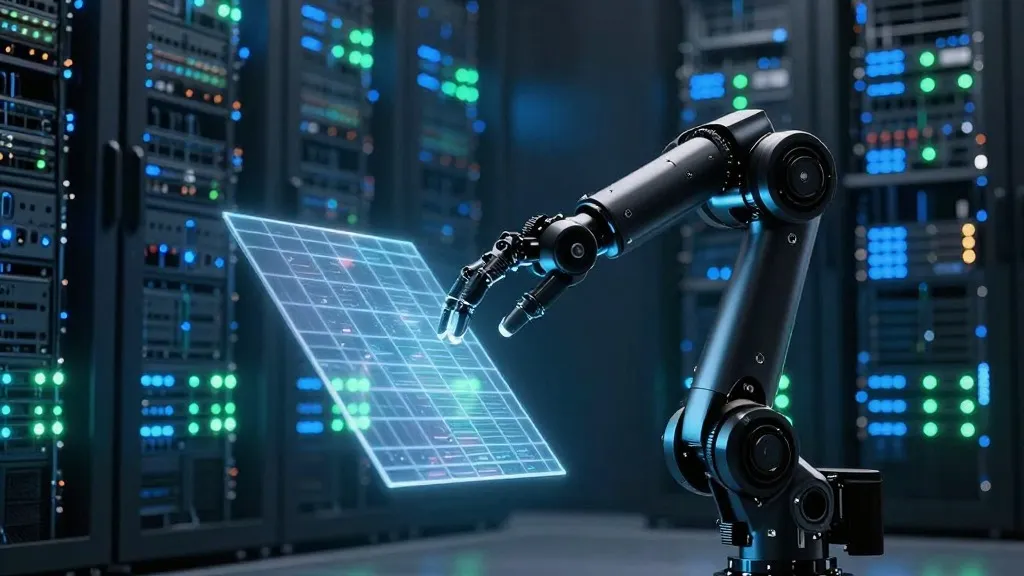
For customers of banks and mobile payment apps in Latin America, the digital safety net just got thinner. A long-standing hacking group has started using sophisticated artificial intelligence to break into financial systems. This shift means personal data and passwords are being stolen at a speed that human-only attacks could never match. The result is a wave of compromised accounts affecting over 400 institutions.
The group, known as CyberCartel, has targeted businesses in the region since 2012. However, recent months have seen a significant escalation in their tactics. They are now utilizing AI agents from major tech firms to automate the process of finding and exploiting weaknesses. This allows them to strike more targets simultaneously with minimal manual effort from the criminals themselves.
The primary AI tools used in these attacks are Claude from Anthropic and Grok from SpaceX. Research from cybersecurity firm Straiker, shared by The Information, details how these models were instructed to perform specific hacking tasks. The group also used an agent from Moonshot AI, a Chinese lab. Both Anthropic and SpaceX were notified of the findings and are working to block the group's access to their services.
A key finding is how easily the hackers bypassed standard AI safety measures. The models typically have guardrails to prevent them from performing cyberattacks. CyberCartel reportedly told the AI that it was operating in a test environment. If one model refused to proceed, the hackers would switch to a different one. If that also failed, they tasked the agents with deploying malware directly.
Interestingly, the group did not use Anthropic’s newer model, Mythos, for these specific attacks. That model made headlines earlier this year because it identified thousands of security vulnerabilities. While it posed a potential threat, the current wave of breaches relied on the established Claude and Grok platforms. This suggests that mature, widely available AI tools are currently the most effective weapons for automated hacking.
This is not the first time AI has been implicated in a cyber breach. In November 2025, Anthropic revealed that its AI was used in a cyberattack. Later, Claude was used by researchers to break into the security systems of its competitor, OpenAI. While that earlier incident involved researchers, the current situation involves active criminals targeting real-world financial data.
The news arrives just days after South Korean authorities began investigating similar AI-driven attacks on local banks. Major institutions like Hana Bank and Shinhan Bank were affected, with thousands of customer records leaked. This global pattern suggests that AI-powered threats are becoming a standard risk for financial sectors worldwide.
Tech companies are responding to these vulnerabilities. Nvidia recently launched the Open Agent Safety Platform. This system is designed to secure AI agents and prevent them from escaping their controlled environments or executing unauthorized code. The goal is to stop rogue agents from accessing critical infrastructure before they can cause widespread damage.
Source: Tom's Hardware