Tesla delays Optimus robot deliveries to late 2027
Elon Musk cites persistent issues with hand durability and AI architecture as the primary reasons for the latest timeline shift.
By Jonathan Pierce ·
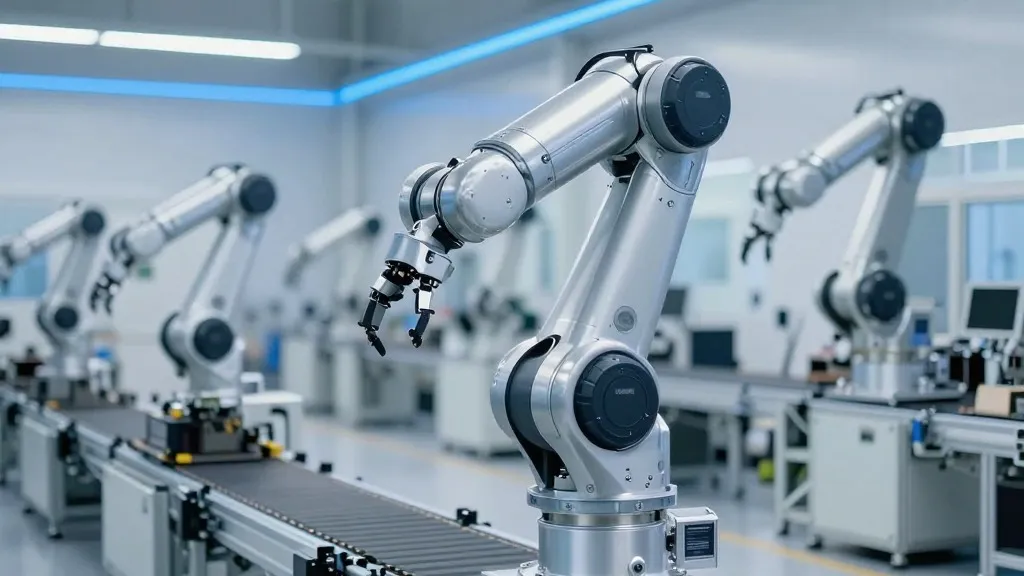
Tesla has officially pushed back the start of external deliveries for its Optimus humanoid robots to the end of 2027. During the Q3 2026 earnings call held this week, CEO Elon Musk clarified that the company is still working through significant technical hurdles before the machines can be handed to outside customers. This latest update extends a timeline that has slipped repeatedly since the project’s inception, moving the target for high-volume external sales from previous 2026 projections to a later window.
The production setup in Fremont, California, is largely in place, with most of the line designed for a million-unit annual capacity already installed. However, Musk noted that reaching a rate of 20,000 units per week will take at least a year, and possibly longer, because design elements are still in flux. The company aims to solve issues related to AI architecture, electromechanical design, and overall reliability by the end of next year. Once these problems are resolved, Tesla intends to deliver the robots to industrial clients for dangerous, repetitive, or around-the-clock tasks.
Key figures in the engineering team identified the robot’s hands as the most challenging hardware component. A Tesla Optimus engineer explained that the fingers must be soft enough to handle delicate items yet durable enough to withstand constant wear, a difficult balance since robots cannot heal like human skin. Musk agreed, adding that custom gears also carry reliability concerns. On the software side, the lack of a massive robot fleet for data collection means Tesla plans to build 10,000 to 20,000 units for an 'Optimus Academy' to practice tasks. The AI5 chip is scheduled for integration in April 2027.
Competitors appear to be progressing on similar or slightly faster schedules. XPeng activated an automated production line in Guangzhou in September, with plans for mass production by late 2026 and deliveries in early 2027. Meanwhile, Hyundai’s Boston Dynamics began producing its electric Atlas in January, with all 2026 deployments already committed to clients like Google DeepMind. Boston Dynamics is also integrating AI models and deploying robots in its Georgia plant, having hired Milan Kovac, Tesla’s former head of Optimus, in January.
The stakes are high as the industry grapples with generalization. Tesla’s Q3 shareholder letter describes the current Fremont output as the first 'production-quality' bots, implying earlier units were not. While Musk claims no competitor is close, rivals like XPeng and Boston Dynamics have shown tangible progress in automation and deployment. The market is watching closely to see if Tesla’s upcoming unscripted video demo can prove that the robots can perform real work, not just scripted routines.
For Texas and South Central readers, this delay signals a continued wait for widespread industrial robotics adoption in the region. As companies plan for automation, the timeline shifts may affect when local factories see these machines on the floor. The focus now turns to whether the end-of-2027 target holds or if further delays will emerge as the hardware and AI continue to evolve.
Source: Electrek