Autonomous Ride Sharing: Tesla Sets Late 2026 Deadline for Cybercab Launch
Tesla executives confirmed that the first customer-owned Cybercab vehicles will arrive before the end of 2026, marking a shift from internal fleet use to private sales.
By Ella Cox ·
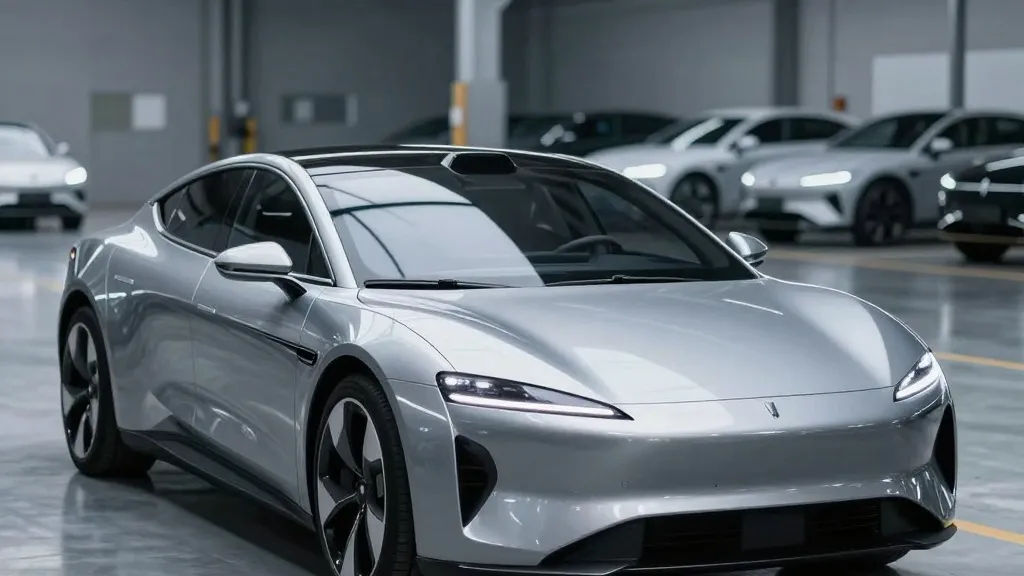
The long-standing question of when buyers can actually take home a Tesla Cybercab finally has a specific answer.
During the company's third-quarter 2026 earnings call held on October 21, Tesla provided a clear timeline for its most unconventional vehicle. Vice President of Engineering Lars Moravy stated that the company is targeting a delivery window before the end of the year. This announcement puts an end to months of speculation regarding whether the two-seater robotaxi would reach the broader market in the near future. The target date aligns with the close of the current calendar year, setting a firm expectation for customers who have been waiting for the autonomous vehicle to become available for purchase.
The production numbers currently reflect a strategy focused on internal operations first. Moravy noted that manufacturing is actively underway at the Gigafactory Texas facility. However, he clarified that every unit coming off the line is currently being directed into Tesla's own internal Robotaxi fleet. This means that while the cars are being built, they are not yet being handed over to individual buyers. The company is using this period to refine its processes before expanding into private sales.
The individuals driving this strategy emphasize a service model over traditional ownership. CEO Elon Musk reinforced the idea that the Cybercab is primarily a transport-as-a-service offering. He stated that the vast majority of these vehicles will remain owned by Tesla rather than by individual consumers. This approach distinguishes the Cybercab from other models in the lineup, such as the Model 3, Model Y, or the upcoming Roadster, which are designed for personal use. The goal is to offer a ride-hailing experience powered by Tesla's own autonomous technology.
The stakes for this launch involve significant operational adjustments for both Tesla and its early adopters. Moravy explained that initial customer deliveries will start on a small scale. This gradual rollout allows the company to gain experience in several areas, including delivery logistics, ownership models, and fleet management. Operating autonomous vehicles outside of Tesla's direct control presents new challenges that the team is preparing to address. As operations scale, the company plans to mainly deliver fully designed autonomous vehicles to customers, with the Cybercab serving as the first example of this new category.
There are additional technical and regulatory factors influencing the rollout. The Cybercab is a two-seater vehicle that lacks a steering wheel and pedals, relying entirely on Tesla's Full Self-Driving suite. Production of this vehicle began in February 2026, and early units entered the public Robotaxi service in early September. Tesla has previously indicated a target price of approximately $30,000 for these units. Ashok Elluswamy, Tesla's Head of AI, indicated that unsupervised Full Self-Driving is expected to ship to consumer cars during the second quarter of 2027. However, early buyers or fleet operators may face geographically restricted autonomous operation due to lagging regulatory agencies. These hurdles remain ahead as the company moves toward the year-end delivery goal.