Artemis Program faces launch hurdles
A new estimate suggests more Starship launches are needed for a Moon landing.
By Juan Gonzalez ·
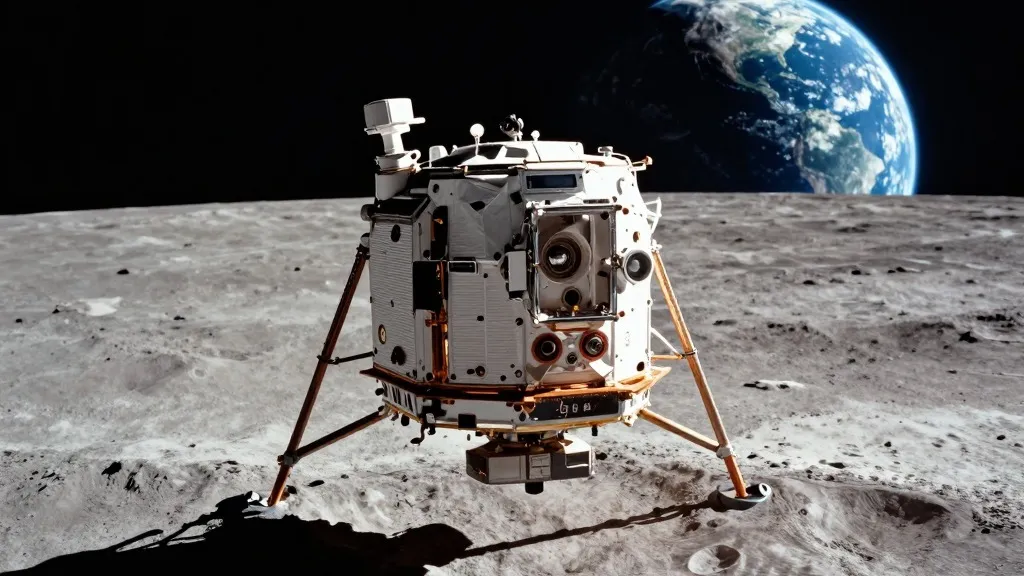
NASA has been reluctant to reveal the exact number of Starship launches needed to support a Moon landing, but recent concerns suggest this number may be higher than expected. The Artemis Program’s success depends on SpaceX’s Starship rocket, and delays in its development could impact NASA’s plans for returning humans to the Moon this decade. The latest estimate indicates that the number of launches may be in the “high teens,” which would require significant propellant to fuel a lunar mission. This challenge highlights the growing importance of SpaceX’s Starship in achieving NASA’s goals for lunar exploration.
The timeline shows that NASA’s estimates have changed over the years, from “high single digits to the low double digits” in 2023 to the more recent “high teens.” Lisa Watson-Morgan, then-director of NASA’s Human Landing System, was reluctant to give an exact figure in 2023, saying, “We have a general idea, but I’m reluctant to say exactly what that is.” This suggests that the number of launches required has increased, and that NASA is now more aware of the challenges involved in using Starship for a lunar mission.
A new estimate has emerged from the NASA Aerospace Safety Advisory Panel, which met on Thursday. During the meeting, panel member Charlie Precourt, a former NASA astronaut, spoke about risks associated with the Artemis Program and landing humans on the Moon. His comments indicate that NASA is now more concerned about the feasibility of using Starship for a lunar mission, and that delays in its development could impact the program’s timeline.
The hope has always been that SpaceX would dramatically improve the lift capacity of Starship to bring down the number of tanker flights needed to fuel a lunar mission. But if this does not happen soon, NASA’s plans for returning humans to the Moon this decade may be in jeopardy. The new estimate suggests that more launches are needed, and that the Artemis Program faces significant challenges in achieving its goals for lunar exploration.
The next step for NASA will be to determine whether the latest estimate is accurate, and whether it can be met with the current capabilities of Starship. If not, the program may need to adjust its plans for a Moon landing, and the timeline for returning humans to the Moon could be delayed. The Artemis Program’s success depends on the performance of Starship, and the latest estimate suggests that more launches may be needed to make this possible.
Source: Ars Technica