Trump Appoints Stephen Miller as Chief of Staff Amid Lame-Duck Session
The White House chief of staff takes over Monday as Congress enters a six-week sprint to pass spending bills and resolve leadership disputes.
By Ella Cox ·
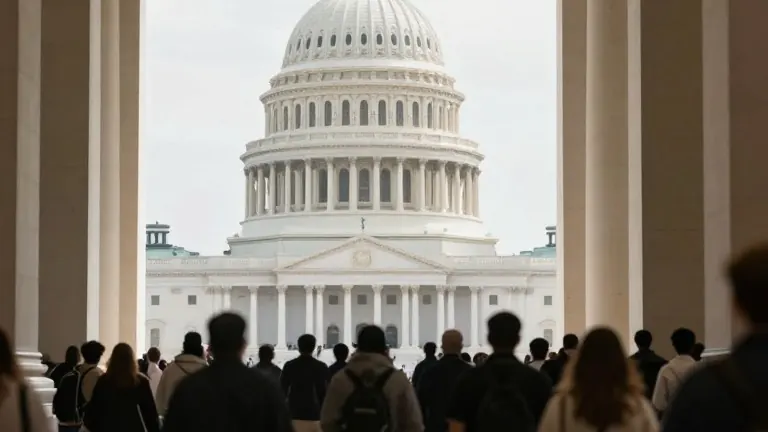
Six weeks remain for Congress to finish its legislative work before Democrats take control of both chambers in January. President Donald Trump has appointed Stephen Miller as his new chief of staff, a move that signals a direct confrontation with the incoming majority.
Miller takes the helm on Monday as the Capitol fills with newly elected lawmakers attending orientation. The transition is marked by a stark divide between jubilant Democrats and a smaller cohort of Republicans assessing their future. Rep.-elect Daniel Biss of Illinois said the election results show voters are ready to transform who holds power.
The immediate legislative agenda is dominated by the impeachment of Defense Secretary Pete Hegseth. Republican Rep. Thomas Massie pushed the resolution forward despite objections from House leadership. The move aims to hold Hegseth accountable for the Iran war, a conflict that many Republicans believe cost the party its midterm majority. House Speaker Mike Johnson previously blocked a similar vote in September.
Trump defended his secretary on Sunday night, arguing that Hegseth helped win two wars. He stated, “He’s guilty of two things, basically winning two wars,” adding that it is difficult to impeach someone who saved the Middle East and Israel. Democratic leaders have pledged full support for the measure, with House Democratic leader Hakeem Jeffries calling for Hegseth to leave office.
House Republicans face a contentious leadership battle as Speaker Mike Johnson steps aside. Rep. Steve Scalise of Louisiana and Rep. Jim Jordan of Ohio are the primary contenders for the top spot. Their previous rivalry for the speakership three years ago ended in a stalemate. With the GOP’s numbers reduced, lawmakers may seek a wholesale change in direction.
In the Senate, Majority Leader John Thune is expected to retain his position despite moving to the minority. Democrats flipped key seats in Texas and Kansas, shifting the balance of power. Meanwhile, the chamber must confirm Trump’s judicial nominees before Republicans lose control. The Senate also plans to vote on legislation to speed permitting reviews for new energy infrastructure projects.
The government must secure funding by mid-December to avoid a shutdown. The annual defense bill remains tangled in disputes over pay raises for troops and spending on the Iran war. These deadlines force both parties to negotiate quickly before the new majority takes office on January 3, 2027.