Democrats Take Control of Congress, Set Stage for Oversight Blitz in Texas and the South
With healthy majorities in both chambers, the new House leadership is preparing aggressive investigations into the executive branch, signaling a contentious two years ahead for voters in the region.
By Ibrahim Howard ·
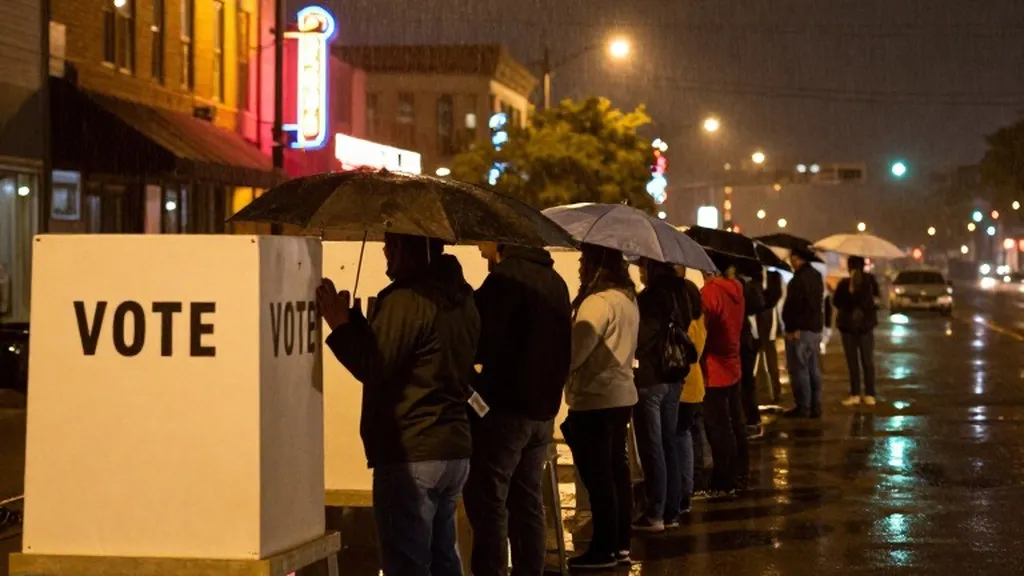
The 2026 midterm election results are in, and the political landscape in Texas and the South Central states has shifted decisively. Democrats have secured healthy majorities in both the House and the Senate, a outcome that sets the tone for an aggressive legislative agenda in the coming two years. For voters in the region, this victory represents more than a change in party control. It signals a renewed focus on the cost of living, health care, and the need for stronger checks on the executive branch. The results were finalized on Tuesday, November 3, 2026, with polls closing at 7 p.m. in Texas and Oklahoma, and at 7:30 p.m. in Arkansas.
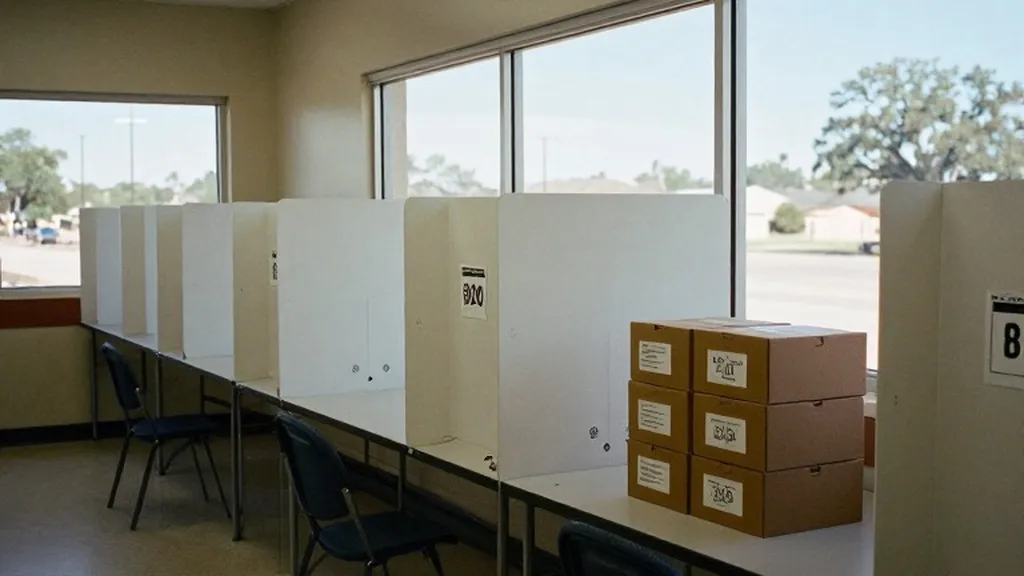
In Texas, the open Senate seat and the governor's race, where incumbent Greg Abbott faced challengers, were central to the regional outcome. The polls operated from 7 a.m. to 7 p.m., allowing for a full day of voting across the state's vast geography. The victory for Democrats in the House gives them the numbers to push through legislation that addresses the economic pressures felt by families in the South Central region. This includes measures aimed at lowering the cost of essential services, a key concern for voters who participated in high numbers despite the traditional Republican strength in the area.
Oklahoma also played a significant role, with polls open from 7 a.m. to 7 p.m. for the open Senate and governor races. The state's participation in the broader Democratic wave reflects a growing appetite for oversight and accountability. In Louisiana, where polls were open from 6 a.m. to 8 p.m. for Tuesday's elections, the open Senate race was a focal point. The absence of a governor race in the state allowed voters to concentrate their energy on federal issues, particularly the direction of national policy regarding health care and economic stability.
Arkansas, with polls open from 7:30 a.m. to 7:30 p.m., saw incumbent Senator Tom Cotton and Governor Sarah Huckabee Sanders face the electorate. The results in these states contribute to the national tally that has empowered the Democratic leadership to launch what is being described as an investigative blitz. The new House leadership is poised to chair powerful committees, including the House Oversight Committee, which will play a central role in scrutinizing the actions of the administration. This shift marks a significant change from the previous cycle, where Republicans held control of both chambers.
President Donald Trump has already responded to the results with a combative stance, declaring on social media that investigative requests from Democrats are extortion at the highest level. Attorney General Todd Blanche echoed this sentiment, suggesting that criminal investigations of Democrats are possible. This rhetoric sets the stage for a contentious relationship between the White House and the new congressional leadership. The administration's defiant posture is expected to test the limits of congressional power and the ability of lawmakers to deliver on their promises to voters.
Rep. Robert Garcia, who is set to chair the House Oversight Committee, has signaled that Democrats are not going to be intimidated. He described the incoming investigations as targeting the Trump crime family, a phrase that has resonated with voters who felt the administration had operated with too little accountability. This aggressive approach is intended to satisfy the mandate given by voters who expressed dissatisfaction with the current state of checks and balances. The AP Voter Poll indicated that about 7 in 10 voters nationally believe Congress is not doing enough to provide these checks.
The new Democratic leadership faces internal debates about the scope of their investigations. Some members, including Sen.-elect Adam Hamilton from Kansas, have expressed skepticism about impeachment, arguing that the primary goal should be to bring people together and lower the cost of living. Hamilton, the first Democrat elected to the Senate from Kansas in 94 years, emphasized that the campaign was about unity rather than division. This perspective is shared by Sen. Bernie Sanders, who warned that Democrats cannot spend all their time investigating the president but must stand up for working-class families.
In the South Central states, these national dynamics will have direct implications for local issues. Voters in Texas, Oklahoma, Louisiana, and Arkansas are likely to see increased scrutiny of federal policies that affect their daily lives, including health care costs and economic opportunities. The Democratic control of Congress provides a platform to address these concerns through legislation and oversight, offering a counterbalance to the executive branch's priorities. The results of this election day represent a clear signal from the electorate that they are demanding more accountability and better representation.
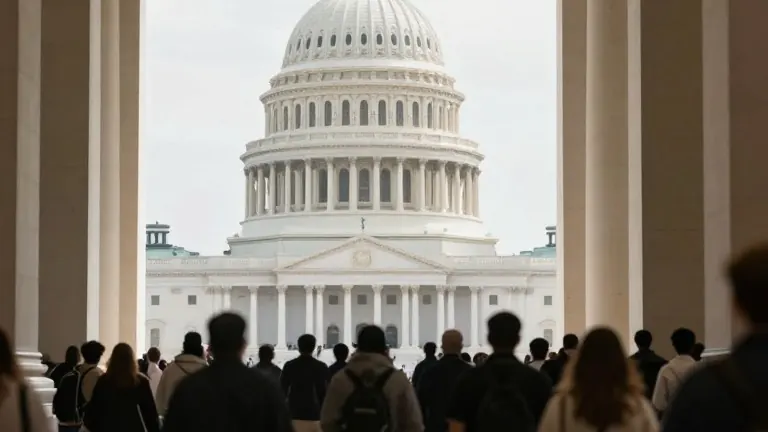
The transition to the new congressional leadership will be swift, with Democrats returning to the Capitol this week to begin organizing their agenda. The focus will be on setting up guardrails for the administration and ensuring that the needs of working-class families are at the forefront of legislative efforts. As the new Congress takes shape, the region's representatives will play a crucial role in shaping the national discourse on economic and social issues. The election results have laid the groundwork for a dynamic and potentially turbulent period in American politics.
The final count confirms that the 2026 midterms were a turning point for the Democratic Party, with victories in key states across the South Central region. The new leadership is committed to a vigorous oversight agenda that aims to hold the administration accountable and deliver tangible results for voters. As the new Congress convenes, the focus will be on translating this mandate into action, addressing the cost of living, and ensuring that the voices of voters in Texas, Oklahoma, Louisiana, and Arkansas are heard in Washington.