Stocks Rally as Democrats Seize Congress, Defying Tech Sector Concerns
The Dow Jones gained over 1,500 points following a blue wave in the midterms, despite warnings from analysts about legislative hurdles for artificial intelligence infrastructure.
By Robert Ward ·

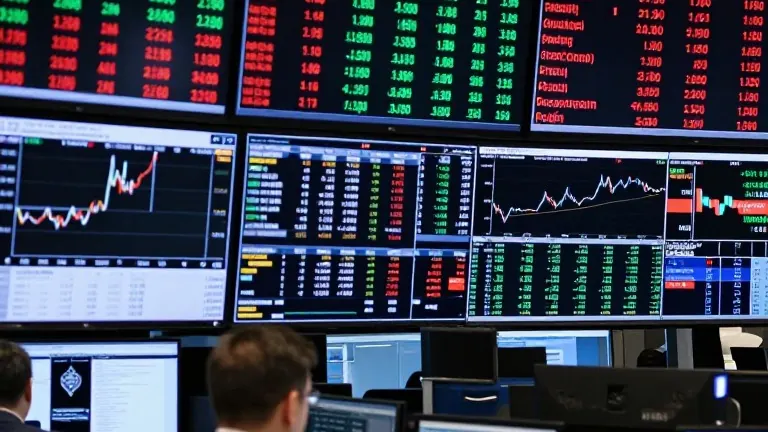
The U.S. stock market responded to the midterm election results with a sharp upward movement on Wednesday morning, defying early warnings about potential regulatory headwinds for the technology sector. The Dow Jones Industrial Average rose 1,511 points, a gain of 2.9 percent, while the S&P 500 climbed 1.8 percent and the Nasdaq increased 2.1 percent. This surge occurred just hours after election data confirmed a shift in congressional power.
Democratic candidates secured control of both chambers of Congress in Tuesday's vote. In the Senate, Democrats captured 54 seats, winning key contests in Republican-leaning states such as Texas and South Carolina. Races in Alaska and Mississippi remained unresolved as of Wednesday morning. In the House of Representatives, Democratic performance indicated a path toward a comfortable majority in the lower chamber.
Market analysts interpreted the rally as a relief trade driven by the predictability of the outcome. Jim Reid, a research strategist at Deutsche Bank, noted in a memo to clients that the results aligned with historical patterns for a party out of power challenging an unpopular president. He described the market reaction as a relief rally. Jeremy Richardson, a senior portfolio manager at RBC Global Asset Management, stated that the results matched betting market predictions, thereby reducing the risk of short-term price dislocations.
Despite the broad market gains, some strategists warned that the new Democratic majority could impede the pace of artificial intelligence development. Dan Ives of Yorkville Ives argued that the shift represented a seismic change that would negatively impact AI buildouts in the United States over the coming years. He emphasized that Democratic control, particularly of the Senate, would create major hurdles for tech legislation. Many Democratic candidates had campaigned with criticisms of AI data centers during the election cycle.
Investor behavior in early trading suggested a divergence in sentiment regarding specific technology companies. Microsoft, which holds a large stake in OpenAI, saw its shares jump more than 6 percent. Amazon, which has committed hundreds of billions of dollars to AI infrastructure, also rose more than 6 percent. Conversely, Nvidia, a major chipmaker fueling AI products, experienced a decline of about 2 percent as investors weighed the legislative outlook against corporate earnings potential.
The election results mark a distinct change in the political environment for corporate planning, particularly for firms relying on federal policy stability. The immediate market reaction prioritized the normalization of the political landscape over the specific regulatory risks identified by tech-focused analysts. The divergence in stock performance among major tech firms illustrates how investors are separating general market relief from sector-specific legislative concerns.
More Business · Consumer Alerts · Report a business · Got a Story?