Oil prices remain high as U.S. midterms approach
Fuel costs have risen by more than 40 percent since the start of the Iran conflict, complicating the political landscape for Republicans next week.
By Robert Ward ·
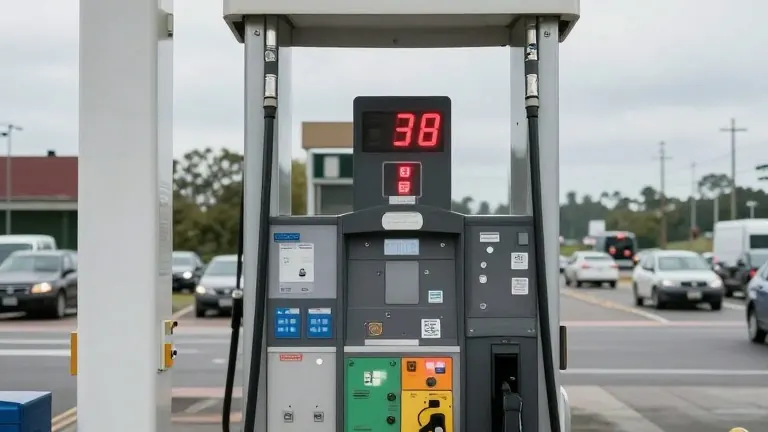
Gasoline prices in the United States have climbed from 2.98 dollars per gallon to 4.25 dollars per gallon since late February, a sharp increase that coincides with the ongoing military conflict in Iran. The average price of crude oil jumped from 67 dollars per barrel on February 27 to 99 dollars per barrel by March 1, and has remained near that level for the past eight months.
U.S. and Israeli aircraft struck hundreds of targets across Iran on February 28, killing a large portion of the country's leadership. The administration initially stated that the war would last four to six weeks. However, the conflict has persisted, and the U.S. has not yet ended the hostilities. The war has driven up fuel costs, which voters are increasingly linking to American actions in the Middle East.
Clifford Young, chair of Ipsos Public Affairs, noted that foreign policy is often distant for voters who prioritize their daily expenses. However, he observed that Americans are now connecting high gas and diesel prices directly to the administration's foreign policy decisions. Young stated that these choices have significantly impacted the president's political base and eroded his domestic capital.
A Reuters Ipsos poll published earlier this month found that 78 percent of surveyed individuals blame Trump's policies for rising prices in general. The Pew Research Center reports that nearly two-thirds of Americans disapprove of the war in Iran. This disapproval has grown among Republicans and Republican-leaning independents since the conflict began. The war was described by Aaron David Miller, a senior fellow at the Carnegie Endowment for International Peace, as a war of choice that underestimated the adversary's ability to escalate and target regional vulnerabilities.
The upcoming midterm elections will determine the composition of Congress for the remainder of the current presidential term. Polls currently predict that Democrats will take control of the House. The Senate remains too close to call, with Republicans holding a four-seat majority. Thirty-three Senate seats are up for election, with Republicans currently holding 20 and Democrats holding 13.
While the administration has achieved other foreign policy objectives, such as securing the release of hostages in Gaza and capturing Venezuelan President Nicolás Maduro, the cost of living remains the primary concern for voters. A Marist/NPR/PBS News poll found that 34 percent of Americans cited the cost of living as their top issue, compared to only five percent who selected foreign policy. The convergence of these two issues creates a challenging environment for the ruling party.
Voters will head to the polls next week to decide the balance of power in the legislature. The high price of gasoline serves as a visible reminder of the economic impact of the Iran conflict. The administration has also lifted sanctions on Russia to help lower oil prices, but the effects on the average consumer remain a central theme in the current campaign.
Source: CBC News