Hezbollah Reconstruction: IRGC Cash Fuels Drone and Command Restoration
Lebanese security officials report the group has spent the past three months rebuilding military infrastructure after receiving tens of millions of dollars from Iran.
By Ella Cox ·
Hezbollah has allocated the past three months to preparing for a potential restart of combat with Israel, driven by a new financial injection from Iran. This activity occurred while the group maintained a low profile following a period of reduced hostilities that began in June.
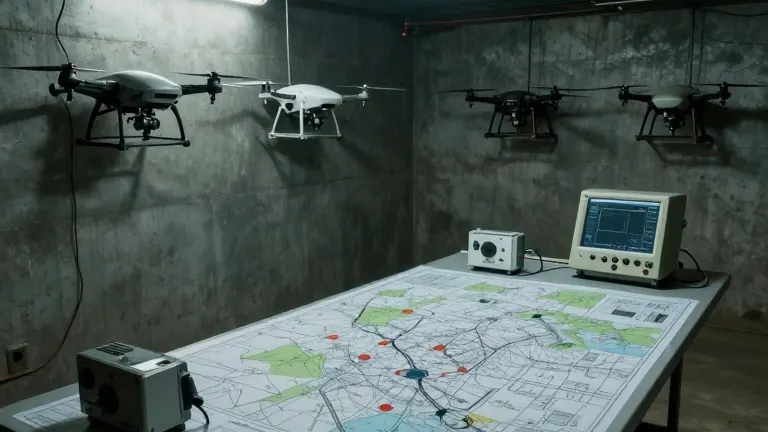
Two Lebanese security sources told Reuters that the organization is focusing its resources on acquiring explosives and manufacturing drones. These aerial assets are designed to be flown into the security zone currently occupied by Israel Defense Forces troops in southern Lebanon.
The funding for these operations represents a new tranche of tens of millions of dollars provided by Tehran. This amount is separate from approximately $200 million that the group previously received from Iran, a sum reported by Reuters earlier this month.
One of the sources, along with another official close to the group, confirmed that the money is intended to bolster military capabilities. Three additional security officials familiar with internal operations stated that Hezbollah is working to restore command-and-control structures that collapsed during key battles.
The breakdown in command systems became evident during conflicts in specific areas, including the town of Bint Jbeil and the Ali al-Taher ridge. One Lebanese source and three security officials noted that these losses required the group to rebuild its operational hierarchy.
In response to inquiries from Reuters, Hezbollah's media office disputed the assessment of its internal state. The office rejected the claim that its command-and-control systems had suffered a breakdown.
The group's tactical approach during previous engagements involved operating in small units and limiting the use of anti-tank rockets. This strategy left some units isolated on the front lines, where they struggled to counter Israeli remotely operated systems, including weaponized drones and armed remote-controlled vehicles.
The Israeli military confirmed that it employs remotely operated systems to monitor southern Lebanon, a tactic intended to reduce the threat exposure of its ground troops.
Despite the ongoing reconstruction, sources indicated that Hezbollah has not yet fully prepared its stockpiles or fighting force. The group is still in the process of restocking its arsenal.
This month, Hezbollah acknowledged that explosives seized by Lebanese authorities belonged to the group. A Hezbollah official and a Lebanese security source told Reuters that these specific explosives were intended for use in the group's explosive drones.
The United States maintains a firm stance on limiting the group's financial resources. A US State Department spokesman said Washington would continue to strangle Hezbollah's finances through sanctions. A US Treasury spokesperson added that Iran is running out of money and methods to transfer funds.
The rebuilding effort is taking place against the backdrop of wider regional tensions. The US-Israeli war with Iran, which began in February, ignited the current cycle of conflict. Hezbollah attacked Israel on March 2 in support of Iran, triggering an Israeli response that led to the evacuation of many Shi'ite Muslims from southern Lebanon. Although an interim deal between Iran and the US included a Lebanon ceasefire and Washington-mediated talks, full-scale hostilities have not resumed despite the collapse of that agreement. Israel continues to strike Hezbollah targets in the south, and the group remains on alert for a potential escalation between the US and Iran.
Source: The Jerusalem Post