Hegseth Memo Restricts Prediction Market Bets Involving Pentagon Information
The Defense Secretary has issued guidance barring military personnel from profiting off nonpublic information through betting platforms.
By Rahul Mehta ·
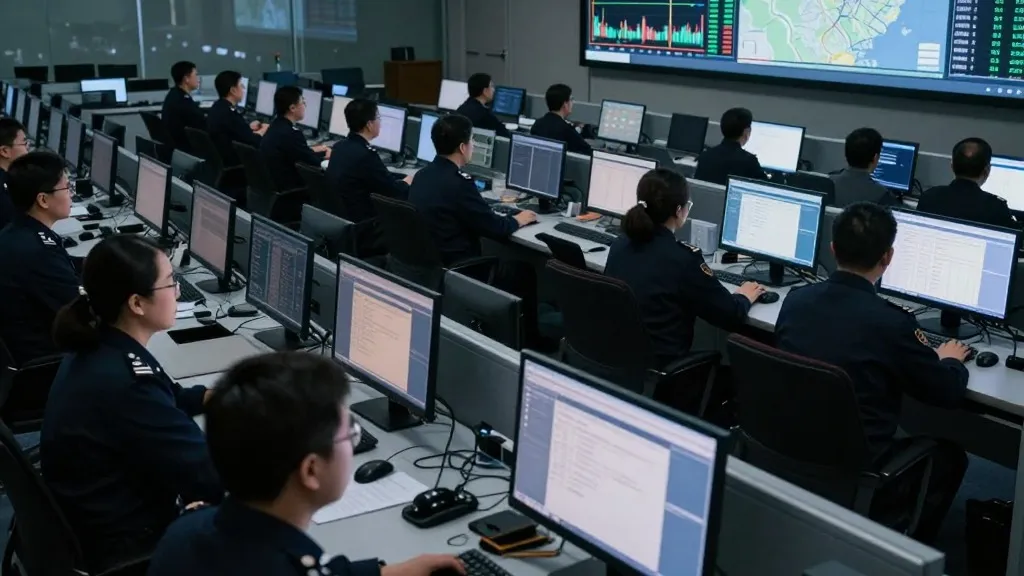
A new directive from the Pentagon seeks to close a loophole where personal financial gain could compromise operational security. Defense Secretary Pete Hegseth issued a memorandum to senior leadership warning that engaging in wagers based on nonpublic military intelligence creates a signal that hostile foreign intelligence services could exploit to anticipate American movements, targets, and timing. The guidance addresses the tension between the growing popularity of prediction markets and the absolute necessity of concealing military plans from adversaries.
The document, issued on October 20, instructs senior Pentagon leadership, Combatant Command leaders, and Defense Department field activity directors that personal financial transactions must not compromise military operations. Hegseth stated that the lives of service members depend on the enemy not knowing what is coming, emphasizing that the force must protect its personnel rather than expose them to the enemy for personal gain.
The administration's concern is rooted in specific instances of alleged misuse involving sensitive data. In April, a U.S. Army soldier was arrested and charged with utilizing confidential information to place bets on Polymarket regarding the timing of the military's capture of Venezuelan President Nicolás Maduro, resulting in gains totaling $410,000. Additionally, an August report issued by the Anti-Corruption Data Collective identified 152 suspicious wallets that placed longshot wagers on military and defense markets, collectively winning $8 million.
Hegseth's memo explicitly states that this prohibition applies to all financial platforms, including traditional betting services and prediction markets such as Polymarket and Kalshi. The policy forbids Defense Department personnel from executing any financial transaction informed by nonpublic information, irrespective of whether the data is classified or unclassified. This approach targets any situation where insider knowledge could be leveraged for profit, regardless of the security level of the intelligence.
The directive highlights a broader risk regarding the correlation of market data. When personnel involved in intelligence or military operations transact on a specific outcome, they inadvertently generate a signal. This signal can be aggregated and correlated, allowing foreign entities to infer the timing of operations or the location of targets. By prohibiting these trades, the department aims to deny adversaries a source of actionable intelligence derived from public market fluctuations.
Source: Ars Technica