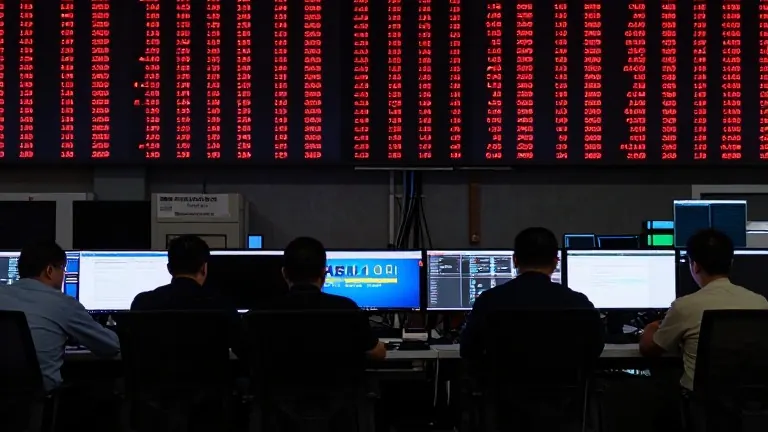
Binance Loses $6.43 Billion to North Korean Hackers
The group TraderTraitor is using automation to launder $3.35 billion in stolen funds.
By Robert Ward ·

The state-sponsored hacking group known as TraderTraitor executed the largest cryptocurrency theft in history last week. The group stole $6.43 billion from Binance, a major cryptocurrency exchange. Elliptic, a crypto analytics firm, reports that the thieves are still actively trying to move the money. Of the total stolen amount, $2.85 billion has been frozen or seized. That leaves $3.35 billion linked to the group that is currently in play.
North Korea has made crypto theft a major part of its economy. The group is working quickly to launder the remaining funds before authorities can freeze them. They are converting stablecoins into assets that cannot be easily frozen, such as Ether. From there, the group uses automation to create new wallets to move small amounts of crypto. This strategy is designed to avoid triggering alarms for large asset transfers. The goal is to move money across networks like Ethereum to Bitcoin and then pull it from a mixed pool with other users' assets to obscure its origins.
Elliptic reported on Tuesday that the group has made more than 40,000 transactions. The hackers are creating a new wallet every 25 seconds. This rapid pace is part of an effort to make the crypto's origins hazy. While Binance has promised to make customers whole, investors have already pulled billions from the exchange. The speed of the laundering operation puts pressure on the exchange and other firms to track the funds.
In other financial news, gold prices fell below $4,000 per ounce this week. The metal had reached nearly $5,600 per ounce in January. Jeff Guo, co-host of Planet Money, explained that rising Treasury yields are the main driver of the decline. Gold does not earn income or interest on its own. In contrast, investors can buy 10-year TIPS bonds that earn income above inflation. Higher oil prices from the Iran war are pushing interest rates up, which makes bonds more attractive relative to gold.
Local opposition is also reshaping the data center industry. Voters in at least 38 jurisdictions banned or restricted data centers in recent elections. Texas Governor Gina Hinojosa ran on a platform that included a moratorium on new projects and stronger protections for ratepayers and the environment. S&P Global found that more than 146 projects were delayed or canceled through early August. Seventy-five percent of those delays were tied to local opposition. Some big tech companies are now dropping contract provisions that keep early project phases secret.
Adjustable-rate mortgages are also gaining popularity. They represented 11% of new mortgage applications, the highest share in more than a year. These loans make up only 5% of all mortgages in the U.S. Their popularity dropped after the 2008 financial crisis, when rates adjusted sharply upward. A Colorado man told NPR in 2008 that he was on the Titanic watching it sink. He and his wife owed more than their home was worth after his rate rose to 9%.
More Business · Consumer Alerts · Report a business · Got a Story?