Learjet Route: Expert Questions Path Through Florida Storms
Attorney and pilot Mike Slack argues a six-minute delay via Jacksonville would have avoided the convective weather that likely triggered the fatal crash.
By Robert Ward ·
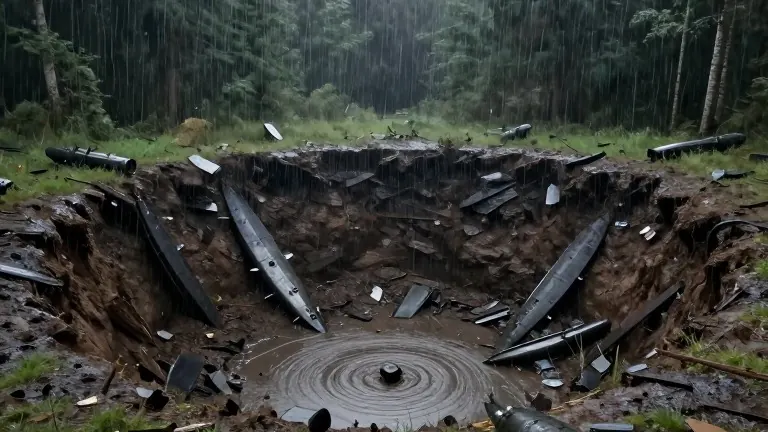
A fatal Learjet 60 crash in South Florida on Sunday has drawn scrutiny over the flight path chosen by the pilots. Mike Slack, an aviation attorney and licensed pilot, contends the aircraft flew dangerously close to intense thunderstorms before losing control. Slack believes a different route would have avoided the weather entirely, raising questions about the decision-making in the cockpit.
Slack stated that the jet entered the fringe of a well-developed storm system before its rapid descent. He noted that an alternative path through Jacksonville would have added only minutes to the flight time while avoiding the weather. The Miami route saved six minutes compared to the Jacksonville option, but Slack argued the time saved was negligible given the risk.
The National Transportation Safety Board is leading the investigation and has not yet determined a cause. NTSB officials identified weather as a major focus of their inquiry. The operating company, Upper Jets, did not respond to requests for comment after its email address bounced and its voicemail box was full.
Slack explained that ice buildup on the jet's cold surface or a powerful updraft may have triggered a sudden stall. The crew reported light icing and moderate turbulence to air traffic control. The outside temperature was minus 47 degrees Celsius at the time of the crash.
The Learjet 60 has a reputation for being unforgiving in a stall. Slack described the loss of lift as similar to flipping a switch, leaving pilots with little chance to recover. He said the aircraft was not built to withstand the storm conditions it encountered. Once the stall occurred, he argued, recovery was nearly impossible for the crew.
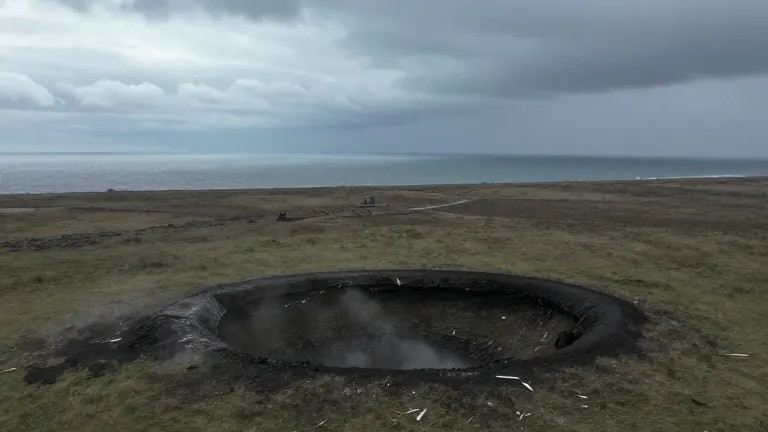
The on-scene investigation is ongoing. The NTSB expects to access the crash crater on Wednesday. Slack warned that debris and hazardous materials may have spread about half a mile in all directions. He estimated that screening the area for hazards could take three to four weeks.