Lead levels stable after Iowa military blast
The EPA found no rise in heavy metals in local water supplies following the controlled detonation of five tons of lead azide.
By Ibrahim Howard ·
The U.S. Environmental Protection Agency reported that preliminary lab results show no increase in lead levels in water sources supplying the southeast Iowa region. The data follows a controlled detonation of five tons of aging lead azide by the U.S. Army. Officials confirmed the findings on Saturday, citing extensive sampling efforts conducted in the days surrounding the blast.
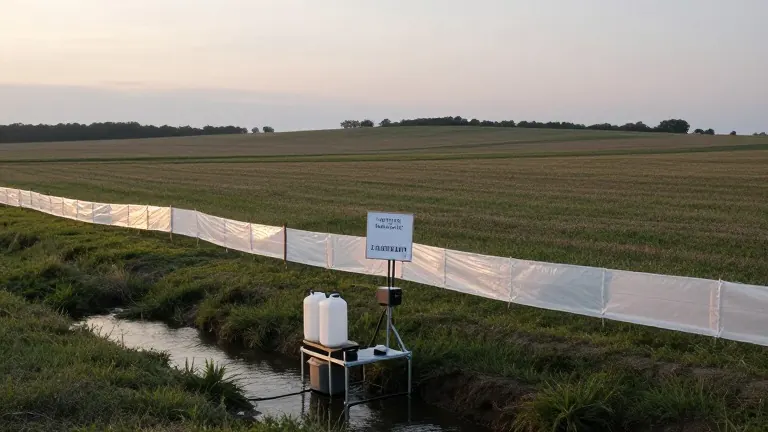
Approximately 300 people participated in the sampling process on Thursday. They collected more than 1,500 samples of air, water, soil, and dust before the explosion. Teams also gathered hundreds of additional samples from homes, parks, and potable water systems after the detonation occurred.
The agency monitored air quality for 30 consecutive hours using Xact air monitoring systems. EPA officials stated they will provide further updates as results from more than 3,200 air, soil, dust, and water samples return and undergo validation. Lead is a heavy metal that poses specific risks to children and pregnant women.
The Army maintained that immediate detonation was the safest course of action. They argued the reserve was degrading and risked an uncontrolled explosion as colder weather approached. However, the event triggered widespread concerns about potential environmental contamination and raised questions about federal communication protocols.
Residents and some elected officials criticized the military for a lack of transparency. They noted that the agency did not provide extended warnings when it first determined the reserve was unstable. Many said the public and local leaders were not fully informed until days before the scheduled blast.
The ammunition was stored in the small town of Middletown. While townspeople were aware of the plans, fewer residents outside that immediate area had prior knowledge. Warnings did not reach a broader segment of the population or elected officials until shortly before the detonation took place.
More Business · Consumer Alerts · Report a business · Got a Story?