Democrats Control Congress, But Trump's Veto Power Blocks Quick Grocery Relief
New House and Senate majorities vow to cut food costs, yet voters face a divided government where the president retains leverage over tariffs and energy policy.
By Ibrahim Howard ·
Grocery bills remain high, and the new congressional majority faces an immediate test in how it responds to the pressure.
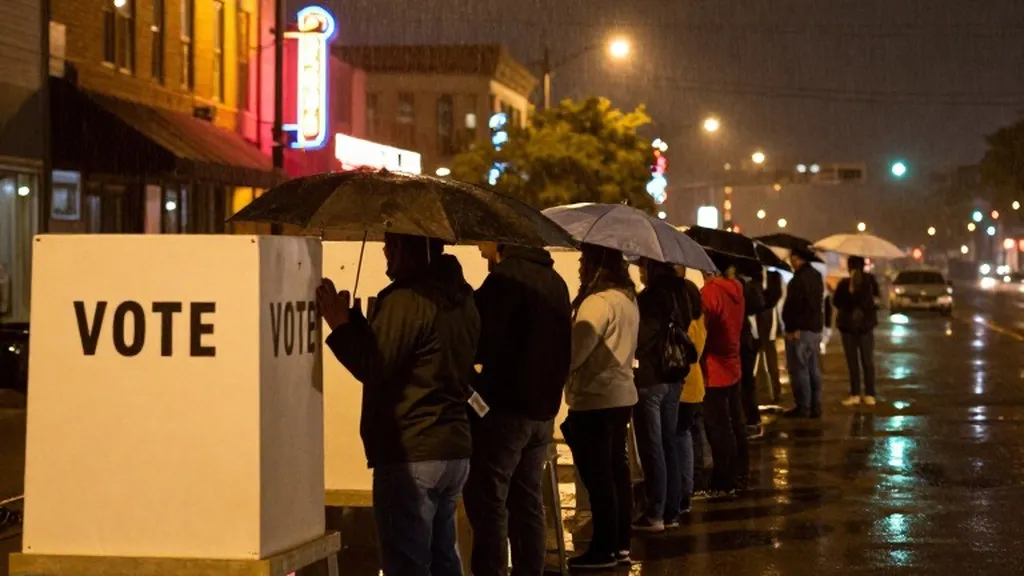
Voters prioritized affordability, including the cost of food, in the November midterm elections. The economic strain helped Democrats secure control of both the House and Senate on Tuesday.
House Democratic Leader Hakeem Jeffries stated that the incoming majority will make tackling high prices a priority in January. He called the election result a strong rebuke of MAGA extremism, arguing that the party made life more expensive despite promises to lower the cost of living.
The path to relief is complicated by the current White House. President Trump remains in office and willing to use his veto power. Senate Democrats will not hold a filibuster-proof majority. Additionally, Trump may be reluctant to reverse his signature tariffs or the Iran war, two major drivers of recent price increases.
Lael Brainard, who leads The Kitchen Table Project, noted that Americans expect quick relief from Washington. She said people feel squeezed by high prices that do not need to be that high.
Democrats plan to address food costs by rolling back Trump's tariffs. These measures raised the price of imported foods and drinks. They also increased the cost of machine parts and packaging, creating additional pressure on the food industry.
The Iran war has driven up energy prices, making transportation more expensive for nearly all goods. Fertilizer costs also rose after the closure of the Strait of Hormuz cut off a large portion of global fertilizer trade. Democrats must navigate these issues alongside the administration's immigration crackdown, which has contributed to labor shortages on U.S. farms.
Chris Borick, a political science professor at Lehigh University, observed that both the president and Democrats have an interest in lowering grocery costs. However, he noted a large distance between the two sides regarding the tools available to achieve that goal.
Incoming Democratic senators have proposed specific measures. James Talarico of Texas plans to defend federal food assistance programs WIC and SNAP. The SNAP program is undergoing a major overhaul by the Trump administration and has seen a sharp drop in participation since last summer. Adam Hamilton of Kansas supports a national ban on dynamic pricing in grocery stores. Roy Cooper of North Carolina and other candidates vowed to block food industry mergers that they believe raise consumer prices.
Democrats also gained ground in state governments. At least 28 states will have Democratic governors next year. Ten state legislative chambers flipped to Democratic control, according to the National Conference of State Legislatures. These officials have their own ideas for providing relief.
Keisha Lance Bottoms of Georgia proposed allowing municipalities to suspend or eliminate local sales taxes on groceries, baby formula, and diapers. Gina Hinojosa, the governor-elect of Texas, promised to outlaw predatory surveillance pricing and price gouging. Deb Haaland of New Mexico said the state would explore waiving permitting fees for markets in food deserts, a policy similar to one in Albuquerque.
A poll from the Kitchen Table Project and Global Strategy Group released in September found that nearly half of respondents identified lowering grocery bills within six months as their most important goal.