The iPod at 25: A quarter century since a $399 device changed how the world listens to music
Two decades and five years after its launch, the original Apple iPod remains a benchmark for portable technology, having defined the digital music experience before smartphones rendered dedicated players obsolete.
By Robert Ward ·
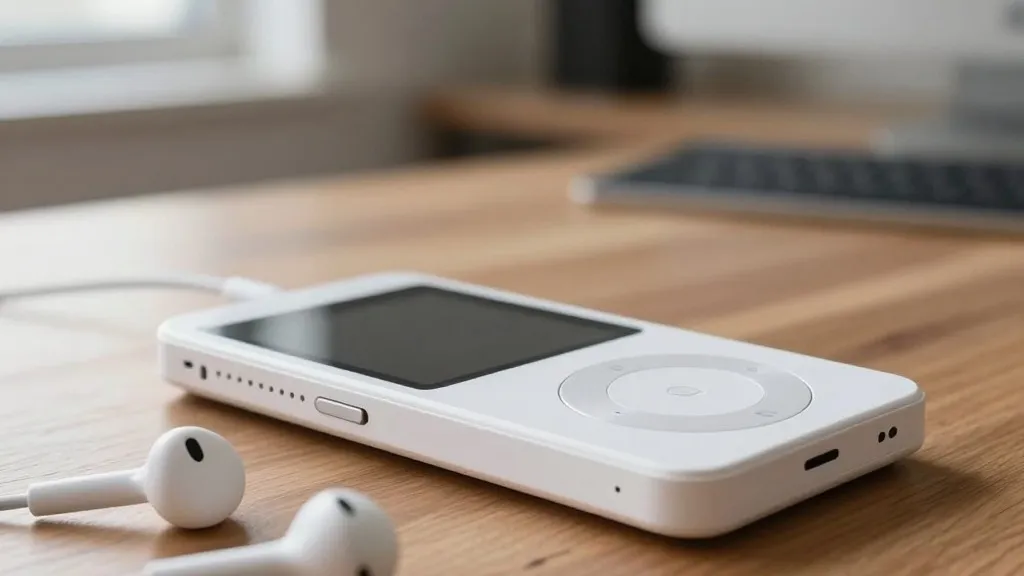
On October 23, 2001, Apple CEO Steve Jobs unveiled a device that would redefine portable media, introducing the original iPod to the public with a price tag of $399. This specific figure represented the cost to place an entire music library into a user's pocket, a claim that immediately captured the attention of a market hungry for a superior solution. The device was not merely a new gadget but a strategic pivot for a company that had recently stabilized its financial footing after the dot-com bubble burst. By that time, Apple had successfully moved beyond its beige hardware era, with the iMac and iBook lines performing well. Jobs envisioned the Mac as the central hub for a user's digital lifestyle, connecting cameras, camcorders, and DVD players, but he identified portable music as the missing piece that lacked a clear market leader.
At the time of the announcement, the portable digital audio landscape was fragmented. Four mainstream options existed: compact disc players, MP3 CD players, flash memory devices, and hard disk based jukebox players. While competitors such as Creative, Sonic Blue, and Sony had entered the space, Jobs argued that none had yet found the correct recipe for digital music. He positioned the new Apple device as the optimal entry point, leveraging the hard disk based architecture to offer significantly more storage than flash based rivals. This strategic choice allowed the company to make a bold promise regarding capacity that competitors at the time could not match.
The core specification that drove the marketing narrative was the device's ability to hold 1,000 songs. This capacity was achieved through a 5 gigabyte storage system, which specifically accommodated 1,000 typical pop songs encoded as MP3 files at 160 kilobits per second. For the average consumer, this volume represented their complete musical collection, eliminating the need to select favorite tracks for a limited memory device. The device played standard formats of the era, including MP3, WAV, and AIFF, providing CD quality sound. Jobs emphasized that for most people, this meant their entire library was now portable, a feat that seemed almost miraculous in the early days of digital music distribution.
The physical design of the iPod was engineered to be as small as possible while maximizing storage. This was made possible by a collaboration with Toshiba, which provided an ultra compact 1.8 inch hard drive that was only 0.2 inches thick. The resulting device measured 2.4 by 4 by 0.78 inches and weighed just 6.5 ounces. Jobs compared the size to a deck of cards and noted that it was lighter than most cell phones of that period. Despite its compact footprint, the hardware included advanced features such as 20 minutes of skip protection and fast file transfer capabilities. The use of a single FireWire 400 cable for both charging and data transfer was a key differentiator, as the device was marketed as the first and only music player to support this connection standard.
The speed of the FireWire connection was a central part of the product's appeal. Jobs demonstrated that transferring an entire CD of music to the iPod took only five to 10 seconds. In contrast, USB connections available at the time required approximately five minutes to transfer the same amount of data. Filling the entire 1,000 song capacity would take about 10 minutes via FireWire, whereas a USB based player might require five hours. This dramatic difference in transfer times addressed a major pain point for early digital music users who were accustomed to slow synchronization processes. The device also featured a rechargeable lithium polymer battery that provided 10 hours of continuous playback and could be recharged to 80 percent in one hour.
Beyond raw performance, Apple emphasized its design philosophy. The iPod featured a minimal and durable exterior that reflected the company's legendary ease of use. The control interface was designed for single handed operation, utilizing a scroll wheel with a piezoelectric clicker to provide tactile feedback. This mechanism allowed for fast navigation through music organized by playlist, artist, or song title. During the initial presentation, the first track demoed was Building a Mystery by Sarah McLachlan, showcasing the responsiveness of the interface. The combination of tactile feedback and intuitive navigation was intended to make the device accessible to non technical users who might be intimidated by more complex digital interfaces.
The third major pillar of the iPod's success was its integration with Apple's software ecosystem. The device launched alongside iTunes 2, which introduced features such as MP3 CD burning and syncing support. The Auto Sync function ensured that any library created or customized on a Mac would remain synchronized with the pocket player every time it was connected for charging or data transfer. This seamless integration meant that users did not need to manually manage files on the device, as the software handled the organization automatically. The iPod could also function as a FireWire hard disk drive when connected to a computer, adding further utility to the device.
The impact of the original iPod extended well beyond its initial launch. For over a decade, it sat alongside other Apple products, including the iPhone, which debuted in early 2007. While the arrival of the smartphone eventually rendered dedicated music players less necessary, the iPod's influence on the industry was profound. It established the standard for how consumers expected portable media to function and look. The product line continued to evolve, with the final model being the seventh generation iPod Touch released in May 2019. Although the line was left without updates for several years, it was officially discontinued in May 2022, marking the end of an era that began 25 years ago with a simple promise of 1,000 songs in your pocket.
Today, the anniversary of the iPod's debut serves as a reminder of the rapid pace of technological change. The device that once seemed revolutionary is now a historical artifact, yet its design principles and user experience standards continue to influence modern gadgets. The transition from a dedicated music player to a feature within a smartphone illustrates how quickly consumer expectations can shift. Nevertheless, the original iPod remains a critical milestone in the history of personal electronics, proving that a well executed product can transform an industry and create a new category of consumer behavior.