New York Appeals Court: Doubts Cast on Trump Hush Money Conviction
Judges question whether evidence of presidential acts improperly tainted the 34-count verdict.
By Ibrahim Howard ·
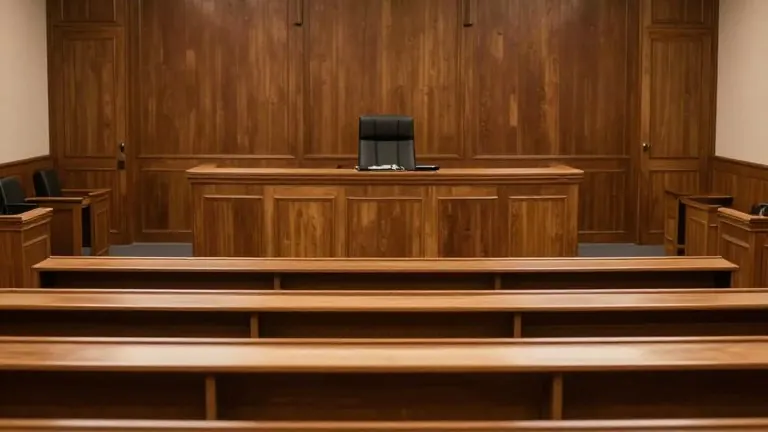
New York state appeals judges questioned the validity of President Donald Trump's criminal conviction during a hearing held on Thursday.
The panel examined whether federal law or presidential immunity shields the former president from a verdict based on a hush money payment made during the 2016 campaign. The payment was designed to cover up an alleged affair, a claim Trump has consistently denied.
Trump's legal team argued that Manhattan District Attorney Alvin Bragg's strategy was preempted by federal campaign finance rules. They contended the jury saw evidence of official acts performed while Trump was in the White House. This evidence included online posts, call records, a 2018 government ethics form, and testimony from former press secretary Hope Hicks.
Associate Justice Martin Shulman asked if public messaging by a sitting president constitutes the use of communicative authority. He suggested this might fall within the outer perimeter of immunity described by the Supreme Court, which would have barred the evidence at trial.
The defense also revisited Hicks' testimony. She stated that Trump told her it would have been bad for the story involving adult film star Stormy Daniels to surface before the election. Prosecutors had called this comment devastating to the defense during closing arguments. Now, the defense uses the same comment to support its immunity claim. Associate Justice Shlomo Hagler asked the court to determine the actual importance of that specific statement.
Bragg's office maintains the trial was conducted soundly and that none of the contested evidence was protected by immunity. Steven Wu, the appellate chief for Bragg's office, argued that errors would need to be much more substantial than those presented to overturn the result. He maintained that even if judges disagree on admissibility, the guilty verdict should stand because any errors were harmless.
The court appeared divided on where to draw the line between harmless error and a substantial problem. Associate Justice Bahaati Pitt-Burke asked at what point cumulative issues with the evidence stop being harmless and turn into something else. The judges left the hearing questioning the precise threshold for these legal standards.
Trump is seeking to overturn his 34-count conviction for falsifying business records. The case stems from a $130,000 payment to Stormy Daniels in the final days of the 2016 campaign. While he was sentenced to no jail time, the verdict made him the first president to become a convicted felon. Robert Giuffra, a partner at Sullivan and Cromwell, pointed out that no local district attorney has ever prosecuted a federal candidate for a violation of the Federal Election Campaign Act. Trump is simultaneously attempting to move his appeal to federal court to advance his immunity arguments. A federal appeals court is set to review the most recent rejection of his arguments later this month.
More News · National news · Report a business · Got a Story?