Inflation Data: White House Defends Tariffs Despite Price Hikes
October consumer prices rose 0.4%, fueling political pressure as 62% of Americans favor repealing Trump-era duties.
By Robert Ward ·

Rising consumer prices and midterm election results have intensified political pressure on the White House to justify its tariff policy. On Tuesday, administration officials defended the duties as essential for strengthening American industry, even as data showed inflation accelerating in October. The conflict centers on whether the trade measures protect domestic manufacturers or simply transfer costs to households.
Jim Goyer, director of the White House Office of Public Liaison, spoke at the B20 summit in Washington, hosted by the U.S. Chamber of Commerce. Goyer stated that the tariffs support U.S. manufacturing, secure supply chains, and national security. He indicated the administration intends to maintain this approach for the remainder of President Donald Trump's term. The summit gathered international business leaders to discuss these economic shifts.
Gary Cohn, Trump's former chief economic adviser and current vice chairman of IBM, offered a contrasting view during an onstage interview later that day. Cohn described the tariffs as a tax on American consumption that raises prices and causes consumers to reconsider purchases. He noted that while the duties generate government revenue, that income comes at the expense of consumers paying more for goods.
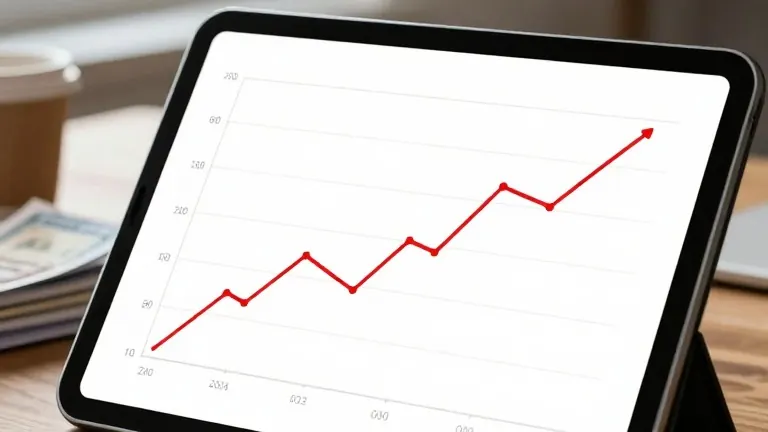
New government figures released Tuesday confirmed that consumer prices increased 0.4% in October, a larger rise than economists predicted. The September annual inflation rate stood at 3.7%, well above the Federal Reserve's 2% target. Import duties are one factor driving these costs, alongside increased energy prices from the war with Iran and ongoing burdens from housing and healthcare expenses.
Polling data reflects the political stakes. The CNBC Voter Poll found that roughly two-thirds of voters believe Trump's policies contributed to inflation. Nearly nine in 10 identified the cost of living as a major influence on their vote in the Nov. 3 election. A Reuters/Ipsos poll released the same day found that 62% of Americans favor repealing the tariffs, while only 21% approved of Trump's handling of living costs.
Research from the Federal Reserve Bank of New York estimated that approximately 26% of tariff increases reached consumers through higher prices, with some effects taking nine to 12 months to move through supply chains. Suzanne Clark, CEO of the U.S. Chamber of Commerce, said the election results conveyed voter concerns about economic security. UPS CEO Carol Tomé noted that customers are bringing production closer to home to diversify supply chains.
Democrats plan to contest the tariffs when they assume control of Congress in January. Cohn suggested that a bipartisan agreement could preserve protections against China while removing tariffs on Canada. However, he warned that the president's veto power and extensive trade authority could make a full reversal difficult.
More Business · National news · Consumer Alerts · Report a business · Got a Story?