Inflation Beats Expectations, Setting Stage for Steeper Interest Rate Hike
October consumer prices rose 0.4%, edging out forecasts and signaling that the Federal Reserve may double its standard rate increase in December.
By Ibrahim Howard ·
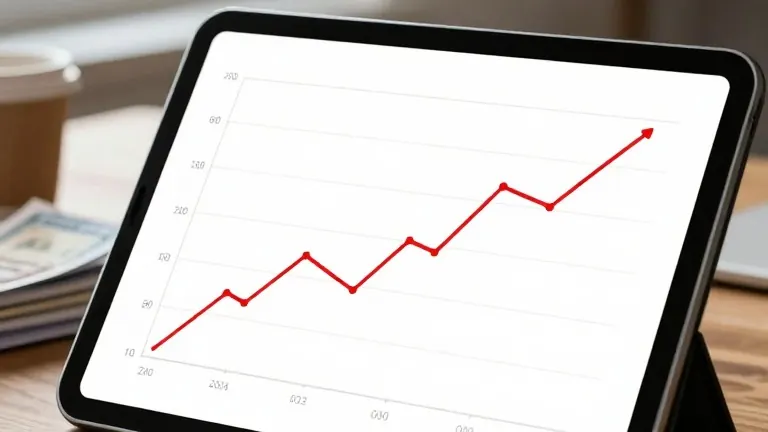
Consumer prices in the United States rose faster than economists predicted last month, a result that complicates the Federal Reserve's plan to bring inflation under control. The Labor Department reported on Tuesday that the consumer price index climbed 0.4% from September to October. This figure exceeded market forecasts by a tenth of a point. The previous month’s increase had been 0.6%.
The core inflation measure, which strips out volatile food and energy costs, also came in higher than expected. It rose 0.3%, matching the September rate. Both monthly figures sat above the central bank's 2% target. The government did not release a yearly inflation rate because the prior year's government shutdown prevented data collection for October 2025.
Federal Reserve Governor Christopher Waller suggested that the central bank could raise its key interest rate by half a point at its December meeting. This would be double the size of the standard quarter-point adjustment. Waller stated that economic activity is strong and the labor market is stable, but inflation remains too high. He noted that prices are well above the Fed's 2% goal.
Market reactions to the report were immediate. U.S. equity markets dipped, and Treasury yields increased. Investors are pricing in the likelihood of more persistent inflation and higher borrowing costs. Higher rates make loans for homes, cars, and credit cards more expensive for households.
Energy costs continue to drive price increases, though the pace has slowed slightly. Gas prices rose 1% from September to October. This is a smaller jump than in previous months, but prices remain 37% higher than a year ago. Oil prices have fallen recently on hopes that the Iran conflict is ending, which is already pushing gas costs down this month.
Higher energy bills are spreading to other sectors. Air fares, public transportation, and delivery services all saw price jumps. Electricity prices rose 0.9%, the largest increase since April. Grocery prices climbed 0.4%, adding pressure on household budgets. Investors in artificial infrastructure are also pushing up costs for computer chips, power, and consumer electronics.
Voters expressed clear frustration with these rising costs during last week's midterm elections. The AP Voter Poll of 100,000 respondents found that about two-thirds blamed President Donald Trump's policies for higher expenses. Approximately 9 in 10 said the cost of living was a crucial or major factor in their vote. Democrats now control both chambers of Congress and must address affordability concerns.
More Business · Consumer Alerts · Report a business · Got a Story?