Five Tons: University of Minnesota professor tracks lead fallout from Iowa blast
Brent Williams converted his vehicle into a mobile lab to sample air, soil, and water after the Army destroyed the national stockpile of lead azide.
By Ella Cox ·
The U.S. Army destroyed five tons of lead azide in Iowa this week, ending the national stockpile of the explosive-making chemical. The detonation occurred after officials determined that dropping temperatures created a risk of spontaneous combustion for the decades-old supply.
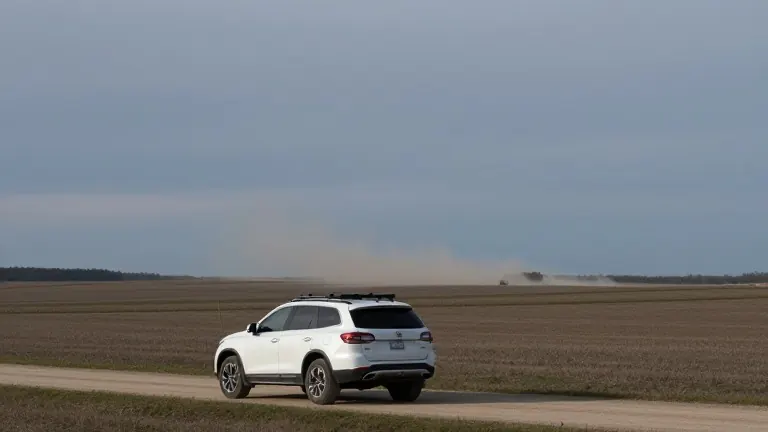
Brent Williams, a professor in the Department of Soil, Water and Climate at the University of Minnesota, traveled to the site to assess the environmental impact. He collected samples of soil, water, and air both before and after the explosion. Williams described his vehicle as a mobile lab, using it to follow the toxic plume as it moved with the wind.
Officials moved forward with the destruction despite local concerns about health and environmental effects from the toxic dust. Matt Taraldsen of the Minnesota Pollution Control Agency stated that the wind direction posed no immediate threat to Minnesota. He noted that lead is dense and falls out of the atmosphere relatively quickly, limiting its travel distance.
The Environmental Protection Agency confirmed that officials destroyed all five tons of the chemical. The agency reported that it did not detect airborne lead in the area shortly after the blast. Despite these initial findings, the MPCA has scheduled additional lead testing in Minnesota this week.
Williams argued that the delay in the detonation allowed for a smaller release than originally anticipated. He suggested the blast would have been larger had it occurred on the initially planned date. "I think it was actually smaller than it would’ve been had they done it on Friday," Williams said. "It certainly could’ve been a lot worse."
The professor raised questions about the long-term management of the chemical stockpile. He criticized the Army for allowing the material to sit for such a long period. "There’s clear negligence in terms of letting this material sit for so long to the point where the only solution was to explode it into the environment," Williams said. "I think there’s a lot to be concerned about."