EPA expects results for 2,500 samples after Iowa blast
The agency collected over 2,500 samples at 130 sites following the Army's destruction of 5 tons of lead azide in Middletown.
By Ella Cox ·
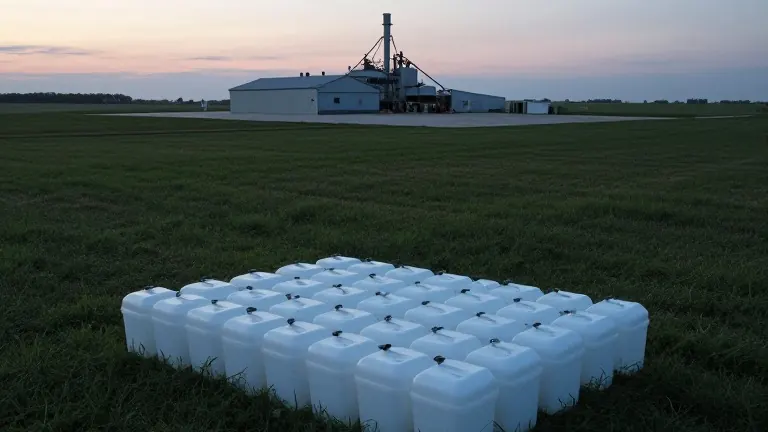
The Environmental Protection Agency stated on Thursday that it anticipates receiving initial sample results as early as Friday following the U.S. Army's detonation of deteriorating explosives in Iowa.
The agency collected more than 1,500 air, water, soil, and dust samples prior to the destruction of the lead azide stockpile on Wednesday. It then gathered more than 1,000 samples after the detonation. These samples were sent to various EPA and private laboratories for analysis.
Sampling took place at more than 130 structures. This included homes, schools, daycare centers, and churches in the region. The EPA also tested parks, nearby farms, drinking water sources, and the Mississippi River watershed. As of Thursday, the agency reported that no airborne lead had been detected throughout the area.
The EPA confirmed it is testing for other compounds that may have been released during the event. A Thursday news release noted that the agency is testing for everything anticipated to potentially be released by the controlled detonation.
The Army detonated 5 tons of deteriorating explosives at an ammunition plant in Middletown on Wednesday. Officials cited the risk of an unplanned explosion as the primary reason for the action. Local residents and environmental groups had previously sought to block the detonation, citing concerns that toxic lead dust could threaten public health and local agriculture.
The Middletown plant housed approximately 10,000 pounds of lead azide, a material used in ammunition since World War I. The EPA explained that the material had degraded during its 20 years in storage. A recrystallization process increased the material's sensitivity to friction and shock, raising the risk of unintentional detonation.
The 8th Circuit Court of Appeals granted a stay last week while it considered whether to impose a longer-lasting ruling. On Monday, the court determined that the environmental groups challenging the plan had failed to show they were likely to succeed. President Trump described the detonation as having exceeded expectations.