Colom Awaits Final Count in Historic Mississippi Senate Race
Local officials in all 82 counties must certify results by Friday, leaving the outcome of the first potential Black senator since Reconstruction in the balance.
By Ibrahim Howard ·
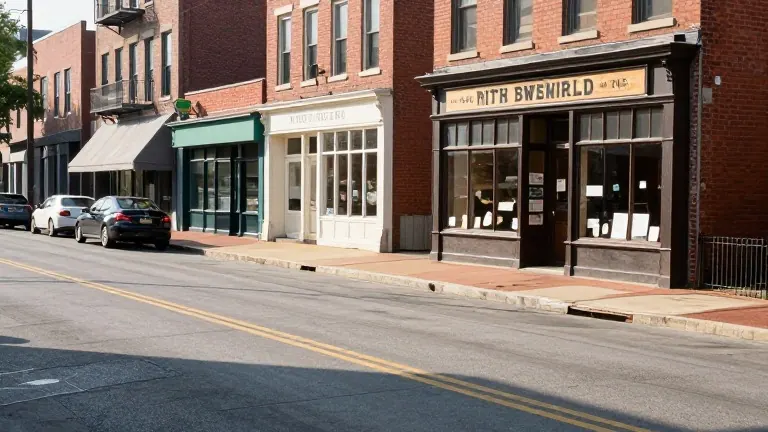
Scott Colom has not yet won Mississippi’s U.S. Senate race, but the 43-year-old Democrat walked through Jackson’s Farish Street business district Friday as a historic figure. The area is known as the site where civil rights leaders organized decades ago. Colom has not secured an official victory, yet he is being celebrated as a potential first Black senator from the Deep South state since the post-Civil War Reconstruction era.
The contest remains too close for The Associated Press to call. Local election officials are currently tallying absentee and provisional ballots, the latter known locally as affidavit ballots. These ballots are cast when poll workers encounter issues with voter identification or registration. The precise number of outstanding ballots is not public, but they include absentee votes that must be received by Tuesday and affidavit votes that require verification.
Citizens who faced identification issues have until Tuesday to resolve them in person at their local elections office. For those whose names were missing from precinct rolls, officials can verify status using previous records and the affidavit filed at the polls. Those voters typically do not need to visit an office, as status updates appear on the secretary of state’s website. Counties must certify complete results to the secretary of state by Friday.
Colom stated that ballots tallied since Tuesday’s election lean in his favor. He criticized Republican incumbent Cindy Hyde-Smith for not explaining her strategy. Hyde-Smith has not appeared publicly since election night, when she declared victory despite a thin margin and uncounted ballots. On Friday, she posted on social media that her team was monitoring remaining ballots to protect the process’s integrity. She insisted the election was not over and that her team would see it through to the end.
Mississippi law does not provide for a statewide recount. Campaigns may seek court orders to examine ballots on a county-by-county basis. Volunteers and lawyers from both sides are watching for potential litigation. Colom expressed confidence in local officials, urging patience as they follow the law. He noted that the extended counting process offers a benefit to the state’s 2.95 million residents by allowing national attention to the region.
Angela Alsobrooks, a Maryland senator and the first Black senator from her state, campaigned with Colom this year. She said voters were energized by his candidacy but noted a persistent belief problem among Black Mississippians after years of defeats. She said the current race shows voters that their votes matter. Alsobrooks emphasized that the shift is internal to Mississippi rather than a change in Washington’s balance of power, as Democrats have already secured Senate control.
For generations, white conservatives have dominated Mississippi’s Statehouse and congressional delegation. Through Jim Crow and the Civil Rights era, these leaders were nearly all Democrats. After the Civil Rights Movement, they shifted to the Republican Party. Black Mississippians, who make up nearly 40% of the population, have long lacked proportional representation at the top levels of government. Colom’s campaign highlighted this gap, using an ad set at the Jackson home of civil rights leader Medgar Evers, who was killed in his driveway in 1963.
Colom said the final ad was a reminder of the sacrifice required to gain the ballot. He noted that the campaign did not ask voters to support him directly but instead focused on the story of Evers. Sorie Tarawally, a 76-year-old attorney and Colom supporter, said the community is motivated by historical inequalities. He called Colom a messiah and savior, adding that supporters want a representative who speaks to their benefit. Maati Jone Primm, who owns a bookstore on Farish Street, said having Colom as a potential senator gives local youth a figure to aspire to.
The Farish Street neighborhood represents the first migration of Black Mississippians from plantations to the city. Primm, whose bookstore opened in the 1930s and is the oldest Black-owned bookstore in the U.S., expressed pride in Colom’s presence. The local community views his potential victory as a milestone that validates their political participation. As officials work toward the Friday certification deadline, the focus remains on the detailed verification process underway in every county.