China, Japan, and Europe push back against new U.S. import duties
Fourteen economies, representing half the global market, reacted to the tariffs announced Wednesday, which replace duties invalidated by a February Supreme Court decision.
By Ibrahim Howard ·
The Trump administration announced new import duties on Wednesday for fourteen major trading partners, a move intended to replace tariffs that the Supreme Court struck down in February. The new rates, derived from a Section 301 investigation, are scheduled to take effect early next year. Trading partners from Asia and Europe immediately moved to protest the measures, rejecting the administration's core argument that their manufacturing sectors suffer from structural excess capacity.
China, which faces a baseline 20% tariff, issued the most direct rebuttal. Guo Jiakun, a spokesperson for the Ministry of Foreign Affairs, called the overcapacity claim a false premise during a regular press briefing. He stated that Beijing would take necessary measures to defend its legitimate rights and interests. The United States has warned that the tariff on China could double to 40% if Washington determines that Beijing is not engaging adequately in trade discussions.
The two countries have currently extended their trade truce by two months, with the current agreement set to expire on January 10, 2027. They have also agreed to cut tariffs on reciprocal lists of non-sensitive products, a move that covers roughly $60 billion in total trade. Despite this recent cooperation, the new duties have reignited tensions between the world's two largest economies.
Japan faces tariffs of up to 15% and formally protested the decision to Washington. Chief Cabinet Secretary Minoru Kihara told reporters on Thursday that Japan does not have nonmarket policies or structural excess production capacity. He described the U.S. announcement as regrettable and noted that Tokyo has conveyed its position to American officials.
Singapore, which faces a potential 20% rate, said it was very disappointed with the proposal. Its Ministry of Energy, Trade and Industry stated that the country's economic policies do not protect the domestic market or subsidize manufacturing for export. Malaysia added that it does not have excess capacity in its manufacturing sectors that disrupts global markets and said it will continue to consult with the United States.
Vietnam, facing the highest proposed rate at up to 35%, said it is working with the U.S. on a broader trade deal. In Thailand, government spokesperson Lalida Persvivatana noted that the proposed 18% cap was more favorable than expected. She said the government will continue negotiations to secure competitive tariff levels and additional exemptions for Thai products.
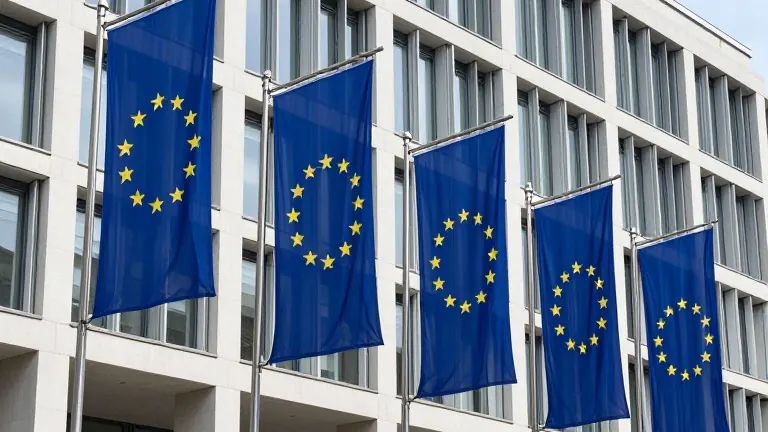
The 27-nation European Union, which could face a 15% tariff rate, rejected the premise that Europe is a source of structural overcapacity. The bloc pointed to the lack of joint action by the EU and the U.S. in addressing the issue. Together, the fourteen targeted economies account for roughly half of the global economy, according to analysts.
Stephen Brown, a chief economist with Capital Economics, said the new tariffs are essentially replacing earlier duties announced in July related to forced labor allegations, rather than adding to them. He noted that while the move may not be as alarming as it appears, it will likely help push prices higher and keep core goods inflation firm into next year.
More Business · Consumer Alerts · Report a business · Got a Story?