EU and Indonesia sign trade deal covering 98 percent of goods
The agreement eliminates tariffs over fifteen years to secure nickel for Europe and expand Indonesian exports, according to officials and economists.
By Ella Cox ·
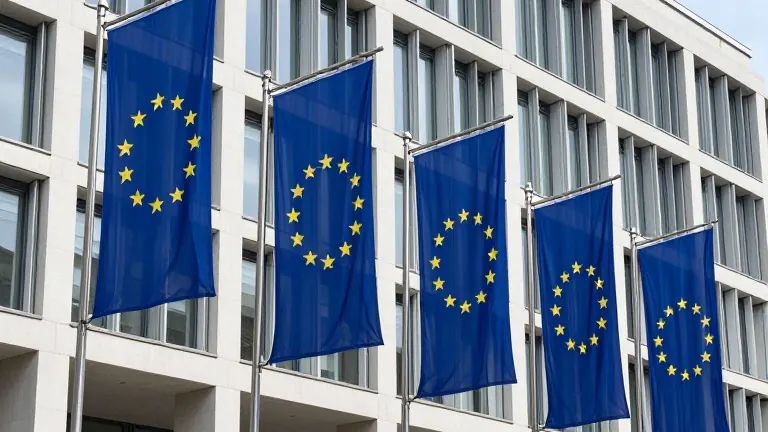
European Commission President Ursula von der Leyen signed a new trade agreement with Indonesia in Brussels last week. The deal ends nearly ten years of negotiations. It connects markets with a combined population of 730 million people. Von der Leyen called it one of the bloc's most ambitious deals in the region.
The pact removes tariffs on more than 98 percent of product categories. This phase-out will take fifteen years. The coverage includes almost the entire value of bilateral trade between the two parties. European companies gain smoother market access. Indonesia gains new avenues for investment and export growth.
The EU relies on this deal to secure access to essential raw materials. Nickel is the primary focus. This mineral is a key component in batteries and electric vehicles. Philip Schleifer, an associate professor of political science at the University of Amsterdam, said the EU aims to reduce strategic dependencies on China.
Indonesia seeks to develop domestic processing industries. The government wants to retain more value from its natural resources. Eline Blot, a senior policy analyst at the Institute for European Environmental Policy, noted the challenge of balancing EU supply needs with Indonesian industrial goals.
Yose Rizal Damuri of the Centre for Strategic and International Studies estimates Indonesian exports could increase by 60 percent. He cited textiles, garments, footwear, and furniture as sectors positioned to benefit. He warned that market access does not guarantee higher exports without improved domestic production capacity.
Syafruddin Karimi, an economist at Andalas University, identified compliance with European standards as a hurdle. Products must be traceable and meet rigorous environmental and labor standards. He said smaller businesses may require substantial government support to meet these requirements.
The EU's Deforestation Regulation poses challenges for small-scale farmers. Blot warned that increased production in nickel mining and palm oil could worsen pollution. She advocated for financial and technical support for smallholders rather than weakening environmental rules.
The agreement includes a chapter on Trade and Sustainable Development. This section covers climate change, biodiversity, and labor rights. Schleifer and Blot called for measurable objectives and stronger monitoring. They want to ensure trade expansion leads to sustainable growth.
More Business · World news · Consumer Alerts · Report a business · Got a Story?