Yemeni children under Houthi rule face growing risks as regional attacks intensify
As Houthi attacks expand across Yemen and into Saudi Arabia, a generation of children raised under the group's rule faces increased risks from recruitment and disrupted education.
By News Media House Staff ·
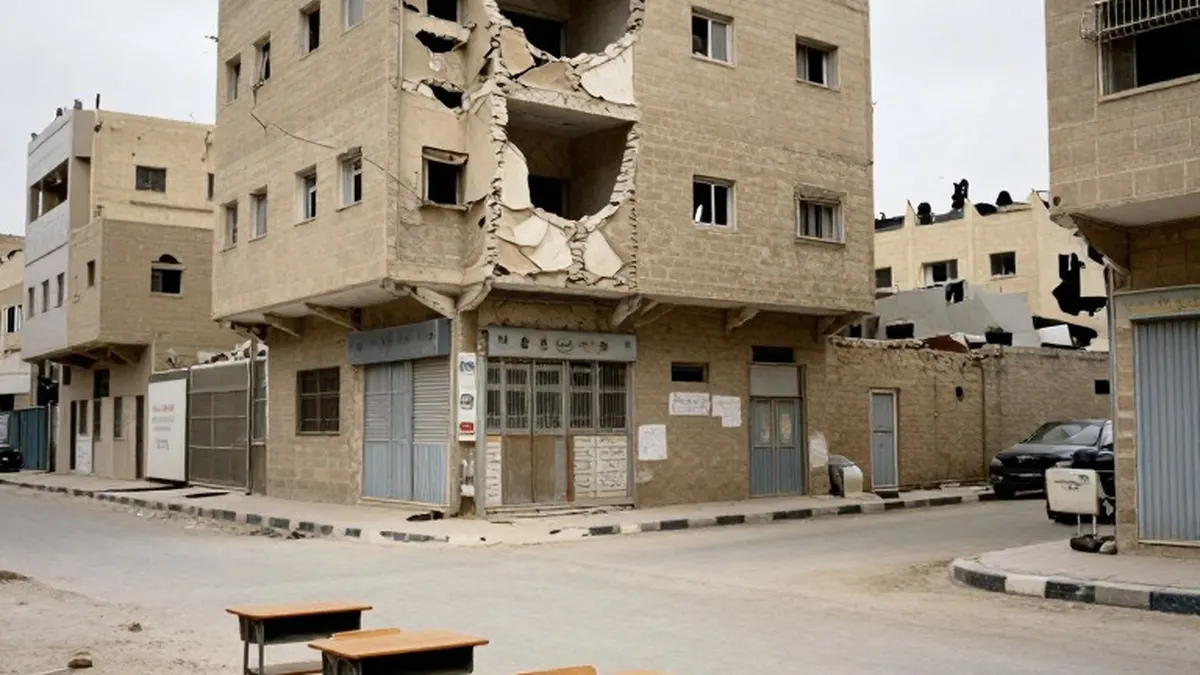
Nearly eight years after observers warned about the long-term effects of Houthi control in northern Yemen, the situation has grown significantly more severe. Children born under the group's rule are now being recruited for combat, a development that underscores the deepening impact of the conflict on the younger generation. Schools and summer camps, which should serve as centers for education and personal growth, have increasingly been used for military training and indoctrination. These practices have been formally documented by the United Nations Panel of Experts on Yemen and the US Department of Labor.
The psychological and social damage of a childhood spent in fear is profound. UNICEF has highlighted how disrupted schooling affects children's learning, emotional development, and overall mental health. This damage extends beyond the classroom, influencing livelihoods, relationships, and the ability to envision a future beyond war. Experts argue that waiting for a popular uprising against the Houthis is not a sufficient strategy, as those living under coercion face consequences that distant observers often fail to understand. Survival under repression should not be mistaken for allegiance.
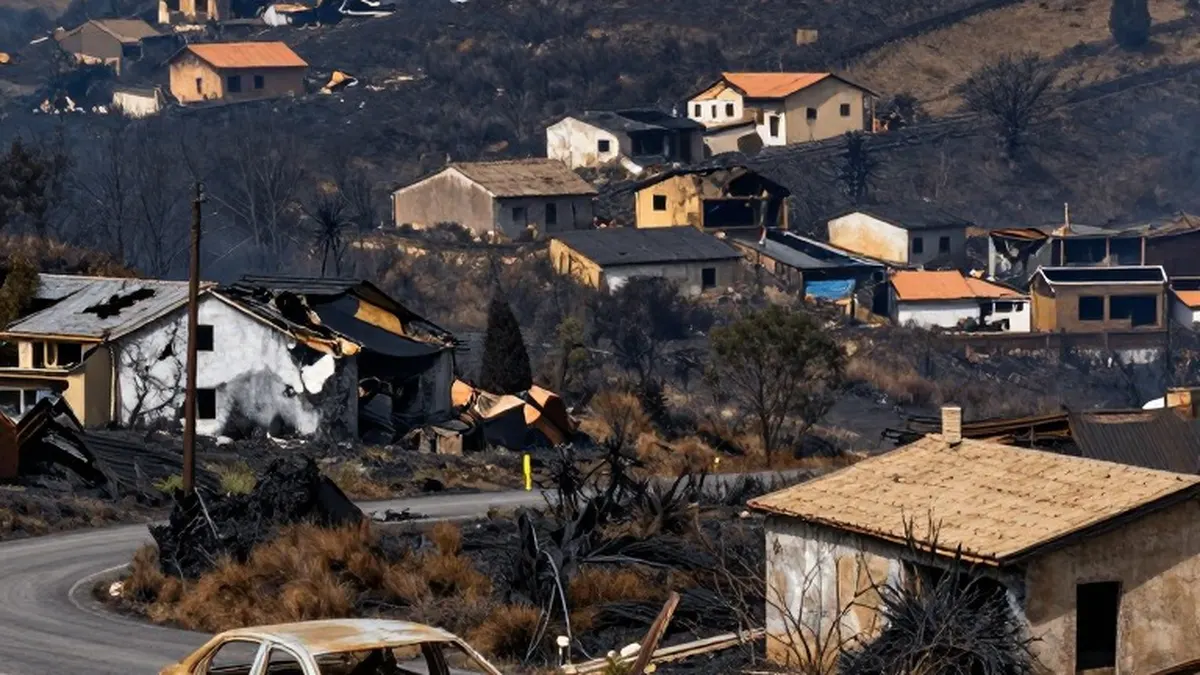
The consequences of Houthi power are no longer confined to the areas directly under their control. Recent attacks across Aden, Hadramout, and Shabwa, as well as strikes in Saudi Arabia, demonstrate the urgent need for international policy to confront this expanding threat. In Aden, the seat of Yemen's internationally recognized government, an October 15 attack on Maashiq Palace brought renewed fear and explosions to the city. A subsequent reported attack on Aden's airport on October 21 further highlighted the vulnerability of a population that relies on dependable access to transport and essential services.
Residents of Aden face the anxiety of organizing daily life around the possibility of another missile strike, a burden that adds to the memory of earlier battles. In Hadramout, strikes on Al-Rayyan International Airport in Mukalla were reported on October 21, with a military base at the airport also hit. Although no injuries were initially reported, the presence of military facilities does not reduce the importance of protecting the civilian infrastructure that connects people to medical treatment, employment, and relatives.
In Shabwa, the situation proved more devastating. A missile attack on October 19 hit the Al-Alam training camp for security forces. According to the governor, as reported by Reuters, dozens of personnel were killed and more than 200 were injured. The strike dealt a significant blow to local security capabilities, with losses felt deeply in the communities mourning their dead and caring for the wounded.
Across the border, the conflict has impacted Saudi Arabia, where attacks on airports have killed civilians and disrupted international travel. A strike on Riyadh's King Khalid International Airport on October 10 killed 13 people. This incident exposed travelers of various nationalities to a conflict they did not choose, proving that the danger now extends beyond Yemen's borders. These events reveal the limitations of an approach that has not sufficiently constrained Houthi capabilities, suggesting that diplomatic activity must be measured by results rather than just meetings held.
The record of the Houthis' conduct supports their terrorist designations. Yemen's National Defence Council designated the group a terrorist organization in October 2022, and the United States followed by designating it a Foreign Terrorist Organization effective March 5, 2025. Other governments are urged to take these designations seriously, ensuring that engagement carries conditions, verification, and consequences. The Houthis signed a UN action plan in April 2022 to end grave violations against children, yet Human Rights Watch reported continued recruitment, indicating that commitments must be judged by their implementation.
A credible international response must disrupt illicit weapons supplies and financing while strengthening civilian protection and defending maritime navigation. Targeted consequences should be imposed on those directing abuses, while humanitarian assistance and legitimate commerce remain protected. To protect the next generation, sustained investment is required in education, independent information, psychosocial care, and the reintegration of children released from armed groups. With the threat now established and extending to regional partners, international policy must finally match the scale of the challenge.
Originally published by News Media House