Democrats seize Congress, signaling a major shift in tech politics
Sweeping midterm victories in Texas and other states gave Democrats control of both chambers, challenging the influence of billionaire donors and the rapid expansion of AI infrastructure.
By News Media House Staff ·
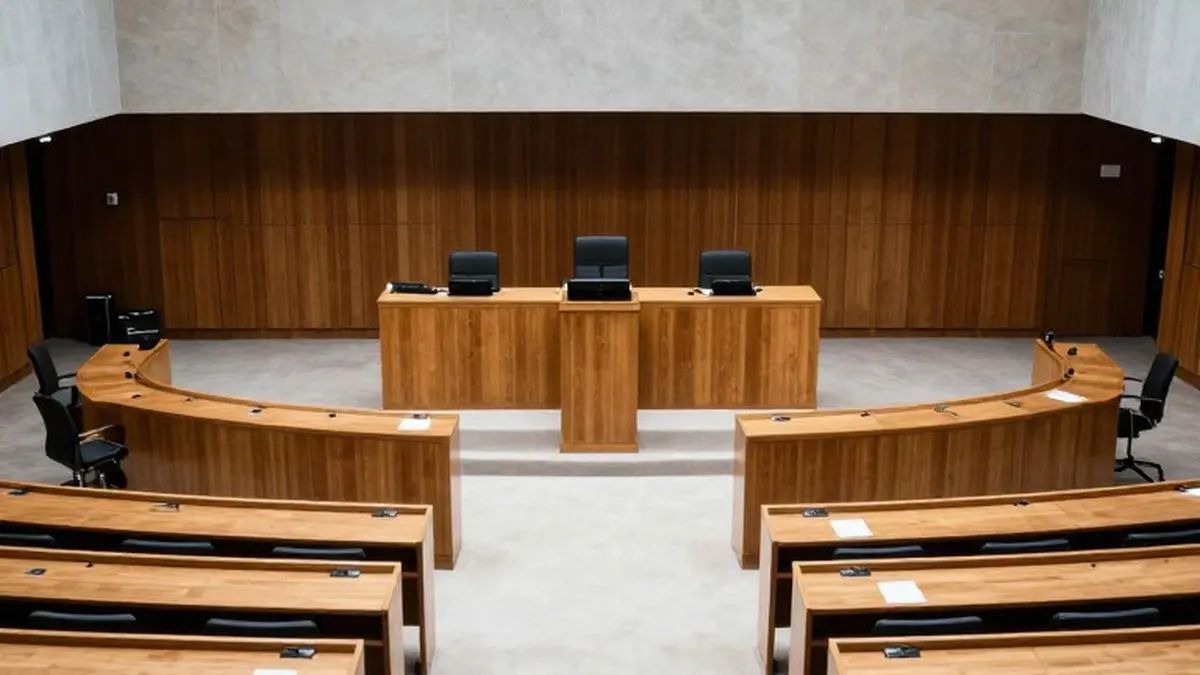
Voters delivered a decisive rebuke to President Donald Trump and his economic record as Democrats took control of both chambers of Congress on Tuesday night. The results reflected deep frustration with rising prices, perceived government corruption, and the aggressive build-out of artificial intelligence data centers. This electoral shift marked a significant turning point for the relationship between Washington and the technology sector.
The Democratic wave reached its peak in Texas, a state historically dominated by Republicans. James Talarico defeated Ken Paxton to become the first Democrat elected to the U.S. Senate from the state in nearly forty years. Simultaneously, Gina Hinojosa unseated three-term Governor Greg Abbott, becoming the first Democratic governor of Texas since Ann Richards left office in 1995. These victories demonstrated the breadth of the Democratic surge in a region long considered a Republican stronghold.
Beyond Texas, Democrats secured wins in South Carolina, Ohio, Iowa, North Carolina, Georgia, and New Hampshire. In South Carolina, Democrat Annie Andrews upset Republican Darline Graham, while Sherrod Brown defeated Jon Husted in Ohio. These losses were particularly stinging for the president, who had personally endorsed many of the defeated candidates. The results highlighted the difficulty of relying on high-profile endorsements when local voters were focused on economic pressures.
The election intensified the political debate surrounding data centers and AI infrastructure. Hinojosa campaigned on a promise to pause new projects until stricter regulations were adopted. Her victory gives Democrats greater influence over how Texas manages this growth, although the state legislature remains under Republican control. This development is notable because Texas is projected to become the world's largest data center market by 2030, surpassing Virginia according to industry analysis firm JLL.
Tech billionaires and corporate interest groups invested hundreds of millions of dollars in Republican candidates, hoping to secure a friendly government for their infrastructure projects. Elon Musk, the cycle's largest individual donor, spent record amounts to support Republican efforts, particularly in Texas. However, exit polls suggested that his spending may have become a liability, with many voters expressing concern over the growing influence of billionaires in government.
In victory statements, Democratic leaders emphasized their intent to scrutinize the tech industry. Representative Chris Pappas of New Hampshire called the results a wake-up call for corporate special interests. Representative Greg Casar, who chairs the Congressional Progressive Caucus, stated that the new House majority would prioritize protecting Americans from AI billionaires and would call CEOs to testify under oath. Representative Robert Garcia, the presumptive chair of the oversight committee, simply advised tech executives to "lawyer up."
The new congressional leadership is poised to launch investigations and issue subpoenas to the Trump administration and its allies. This adversarial approach is likely to intensify scrutiny of major tech companies. Markets reacted to the scale of the Democratic gains, with Dow and S&P 500 futures slipping on Tuesday evening as investors adjusted to the new political landscape.
Economic frustration remained a central theme in the campaign. Many voters blamed tariffs and the war with Iran for worsening their financial situations. Public polling indicated that corruption was a top concern, with 69% of voters in a CNBC poll stating that benefits flow disproportionately to the wealthy. This sentiment helped elevate corruption from a secondary issue to a primary driver of voter choice.
President Trump's effort to redistrict congressional seats mid-decade to secure a Republican House majority largely failed. Democrats won many of the gerrymandered districts in Texas, Florida, and North Carolina, despite Republican attempts to make them safer. This outcome was partly due to the lack of a recent census at the time the maps were drawn, which added risk to the strategy.
The results suggest that Silicon Valley's record spending did not guarantee its desired outcome. Instead, the party now faces a Democratic House that is committed to examining the role of money in politics. As the final two years of the current presidential term begin, the new Congress holds the power to block parts of the executive agenda and intensify oversight of the technology sector and its leaders.
Originally published by News Media House · Source: CNBC
More News · National news · Report a business · Got a Story?