Versailles court sets murder trial for officer who killed Nahel Merzouk
The decision overturns a lower court’s move to a lesser charge and confirms that Florian M. will face a jury for the 2023 shooting.
By Robert Ward ·
A Versailles court of appeals ordered on Tuesday that police officer Florian M. stand trial for the murder of Nahel Merzouk. The ruling resolves a dispute over the severity of the charge and confirms that the case will proceed before a jury. The court rejected a defense argument for mitigating circumstances, citing sufficient evidence against the defendant.
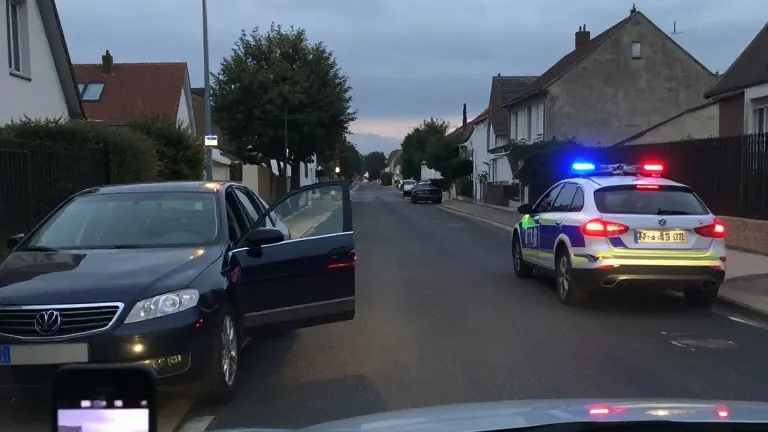
The legal path to this decision was contentious. Merzouk, a 17 year old of North African descent, was shot during a traffic stop in June 2023. A video recorded on a mobile phone showed the officer firing at point blank range inside a car on a busy street. The footage contradicted the initial police report, which claimed the teenager had driven his vehicle at the officer. The discrepancy helped fuel days of riots in the suburbs surrounding Paris.
Florian M. spent five months in pre trial detention before his release in November 2023. He was originally scheduled to face a murder charge but appealed that decision. In March 2026, an appeals court lowered the charge to violence leading to death, a crime typically tried in a court without a jury. That March ruling was overturned in June by France’s highest court, which reopened the possibility of a murder trial.
The Versailles court’s decision on Tuesday confirms that the murder charge will stand. The judges noted that the strength of the evidence supports the higher charge. They also indicated that the decision remains subject to further appeals. The officer will now prepare for a trial where a jury will determine his fate.
The case has drawn sustained attention to police conduct and racial dynamics in French suburbs. The viral nature of the shooting video played a central role in shaping public reaction. The riots that followed the death affected multiple areas near Paris. The legal process has moved through multiple stages, from detention to charge adjustments, before returning to the original murder assessment.
The court’s explanation emphasized the firm stance on the actions taken during the traffic stop. By rejecting the mitigating circumstances, the judges signaled that the severity of the shooting warrants the most serious criminal charge. The trial is the next scheduled step in the judicial process.