Ukrainian Embassy Links Warsaw Graffiti to Russian Hybrid Warfare
The Ukrainian diplomatic mission in Poland described recent vandalism targeting historic monuments as a deliberate attempt by Russia to sow discord between the two nations.
By News Media House Staff ·
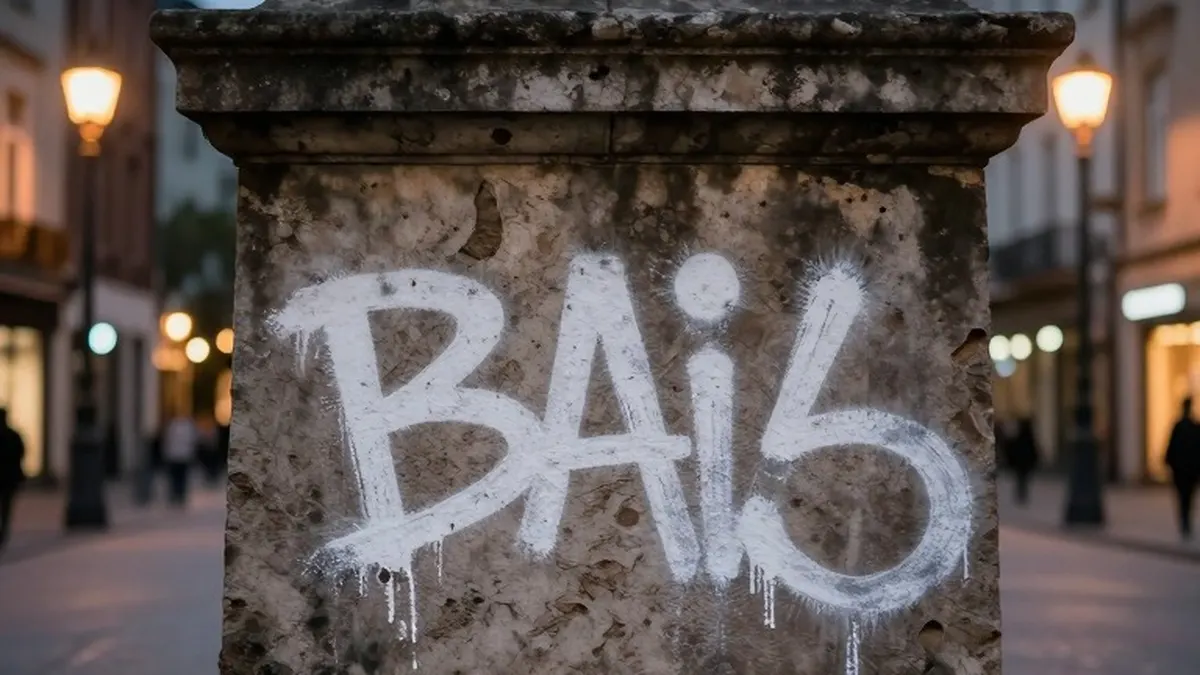
The Ukrainian Embassy in Poland released a statement on Saturday declaring that the appearance of graffiti reading 'Glory to the UPA' on the Monument to the Heroes of the Warsaw Ghetto is a clear manifestation of Russian hybrid warfare. The diplomatic mission condemned the act of vandalism, describing it as a shameful provocation that highlights the ongoing efforts by Moscow to wage war through various means across European countries, with Poland being a primary target.
The graffiti references the Ukrainian Insurgent Army, or UPA, a nationalist paramilitary group that fought for Ukrainian independence during and after the Second World War. While Ukraine generally commemorates the UPA for its role in the struggle for statehood against both Nazi Germany and the Soviet Union, Poland primarily remembers the organization in connection with the Volyn tragedy. This refers to the massacres of Polish civilians in Volhynia and Eastern Galicia in 1943, which led to the ethnic cleansing of both Polish and Ukrainian populations.
In its statement, the embassy expressed confidence that Polish law enforcement agencies would identify the individuals responsible for the vandalism and bring them to justice in accordance with the law. The diplomats emphasized the unacceptability of such desecration of monuments and similar actions, noting that the aim of the provocation was to sow discord between Ukrainians and Poles, undermine mutual trust, and weaken support for Ukraine.
The discovery of the graffiti on the Warsaw Ghetto monument occurred earlier on November 14. Reports indicate that the same phrase was also found on the Monument to the Soldier of the 1st Polish Army, located in the Square of Political Prisoners of Stalinism in the Muranów district. Polish media outlets have reported that eleven other historic monuments in Warsaw, Gdynia, and Poznań have suffered similar damage over the past week.
The embassy stressed the importance of properly honoring the memory of the past, particularly those who lost their lives in the Warsaw Ghetto. It called for all possible measures to be taken to prevent such vandalism in the future. The diplomatic mission urged Ukrainians living in Poland to respect the laws of their host country, as well as historical memory and each other's dignity.
Specific advice was given to the Ukrainian community in Poland, urging them not to accept 'easy money' for tasks such as applying graffiti, damaging property, or carrying out other illegal activities. The embassy highlighted that Ukrainian-Polish solidarity represents a common strength that must be preserved against attempts to destroy it.
The statement served as a reminder of the sensitive historical context surrounding the relationship between the two nations. By framing the vandalism as part of a broader strategy, the embassy sought to unify public opinion against external influences while reinforcing the bond between the two countries.
The incident has drawn attention to the physical and symbolic infrastructure of Polish history. The targeting of monuments in multiple cities, including those in Gdynia and Poznań, suggests a coordinated effort rather than isolated incidents. The embassy's response aims to clarify the diplomatic stance while supporting local authorities in their investigation.
As the investigation continues, the focus remains on restoring the damaged sites and identifying the perpetrators. The Ukrainian diplomatic mission reaffirmed its commitment to maintaining good relations and ensuring that the memory of shared history is respected by all parties involved.
This development underscores the complex dynamics of post-war memory in Central Europe. The embassy's call for unity and respect serves as a counter-narrative to the perceived intent of the vandals, who sought to exploit historical sensitivities to create division.
Originally published by News Media House