Trump's $5,000 promise now moot after GOP loses House and Senate control
The Dallas pledge to pay adults if Republicans kept Congress has become a fiscal footnote, yet Speaker Johnson still insists on a path to approval.
By Robert Ward ·

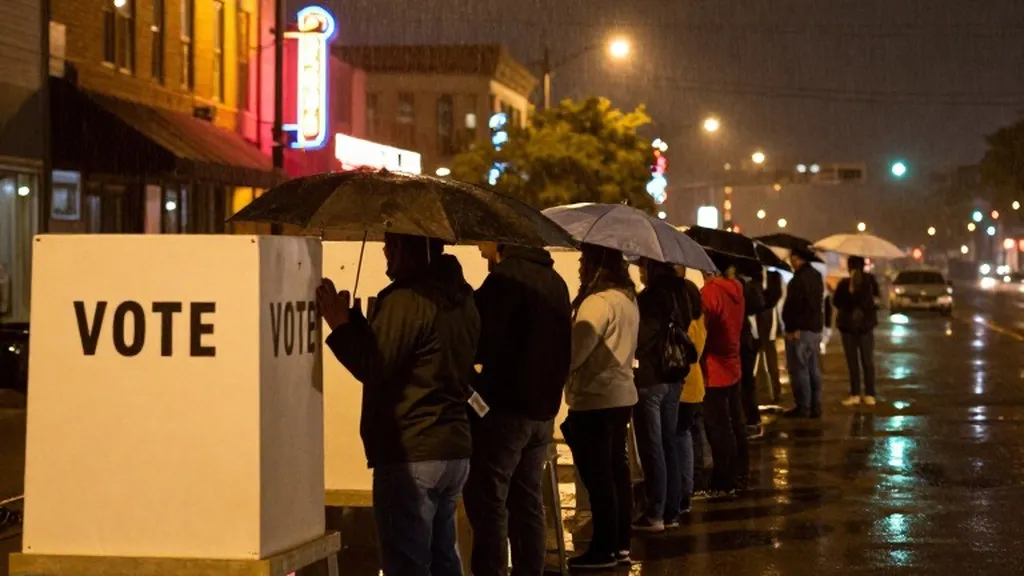
President Donald Trump's pledge to send every American adult a $5,000 check, a promise he made at the Republican Midterm Convention in Dallas, has effectively lost its primary trigger. The condition for the payment was that Republican candidates retain control of both the U.S. House and the Senate. On Tuesday, November 3, 2026, voters in Texas and across the South Central states delivered a decisive mandate for change. Democrats secured majorities in both chambers, flipping the balance of power in Washington and leaving the administration without the legislative partner it explicitly required to fund the Trump Dividend.
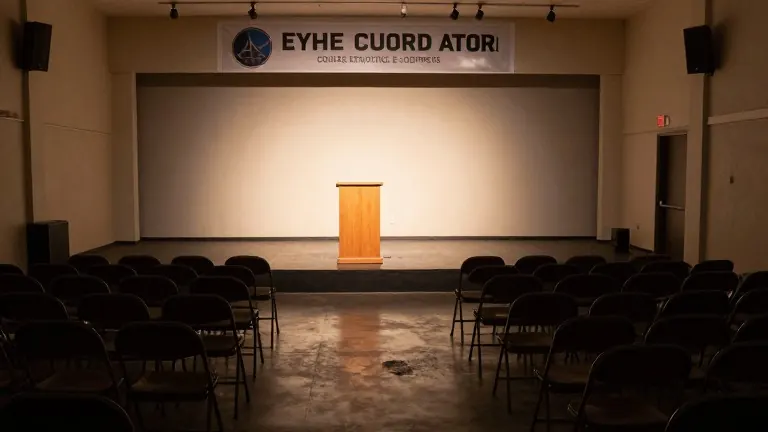
In Dallas, Trump told a packed crowd that if the Republicans won, Americans would win with them and receive the $5,000 payout. He described the measure as the Trump Dividend, a reward for what he called tremendous economic success. The promise was bold and specific, targeting every adult citizen in the United States. While the event was designed to energize the base, the outcome of the election in states like Texas, where polls closed at 7 p.m., suggests that voters were more concerned with the cost of living and the Iran war than with a one-time cash injection tied to a partisan victory.
Speaker Mike Johnson, who led the House for three years, addressed the promise immediately after the convention. He stated that the plan would need congressional approval to move forward. Johnson pledged to work to implement the proposal, calling it a creative idea from the Big Ideas President. However, with Republicans losing at least 42 House seats and seven Senate seats, the new chamber is controlled by Democrats. This shift complicates the path to passage, as the legislation would now face a Democratic majority that has already signaled it intends to use its oversight powers to scrutinize the administration's spending and policy decisions.
The financial implications of the Trump Dividend are substantial. Estimates suggest the payout would cost the federal treasury more than $1 trillion. Fiscal experts have long cast doubt on the feasibility of such a large expenditure, particularly given the country's existing budget deficit. The proposal relied heavily on tariff revenues to fund the checks, but the Supreme Court struck down most of Trump's tariffs earlier in the year. The administration subsequently imposed a global 10% tariff, a move that generates revenue but may not be sufficient to cover the massive cost of the dividend without further legislative action or borrowing.
Bipartisan criticism of the plan has been consistent. Democratic figures have questioned the logic of tying a broad economic benefit to a partisan electoral outcome. In the new Congress, leaders like Sen. Elizabeth Warren have called for accountability regarding how the administration has handled federal funds. While the Democrats are now in a position to block or modify the bill, the political pressure to address the promise remains. Some Republicans, including Sen. Bernie Moreno of Ohio, had planned to introduce legislation to fund the proposal immediately after the election, a task that now requires a bipartisan coalition or a significant procedural hurdle in the Senate.
In Texas, the election results were significant for the national narrative. The state saw a change in its U.S. Senate seat, which is now held by a Democrat. This flip, alongside victories in other South Central states, underscores a broader regional shift. Voters in these areas, who faced high gasoline prices and economic uncertainty, opted for the party that campaigned on controlling costs and overseeing the administration. The loss of Republican control in Texas, a state Trump has frequently visited, highlights the challenges his party faced in retaining its coalition.
The promise of the $5,000 check also raised questions about its legal and constitutional standing. Election law experts noted that while the promise is likely protected by the First Amendment as campaign rhetoric, the actual implementation requires the power of the purse, which resides with Congress. With the new Democratic majority, the administration will have to negotiate. Trump has previously claimed that the U.S. economy is strong enough to handle the expense, citing high revenue figures. However, with the economy facing persistent inflation and the impact of the Iran conflict on global oil prices, the timing of such a large payment is increasingly difficult to justify to a skeptical electorate.
The new Congress begins its work in January, but the shadow of the Trump Dividend lingers. For Democrats, the promise serves as a benchmark for the administration's spending priorities. They plan to use their appropriations power to set guardrails, potentially conditioning federal funding to rein in executive actions. The loss of the midterms means that the administration's ability to pass major legislation without Democratic consent is limited. This dynamic will likely extend to any attempt to formalize the dividend, forcing a debate on how to fund it and whether it remains a viable policy tool in a divided government.
As the results from the 2026 midterms settle, the focus turns to what happens next. The administration must decide whether to pursue the dividend through a new legislative process or let it fade into political history. For now, the $5,000 check remains a promise unfulfilled, a symbol of the campaign that just ended. The new Congress, led by Democrats, will determine if the idea has any further life, or if it was merely a tool to mobilize voters in a race that has already been decided.