Trump Signs Executive Order to Restrict Congressional Access to Agency Data
A new executive order requires a valid legislative purpose for congressional information requests and mandates that federal contractors coordinate with the White House before releasing documents.
By News Media House Staff ·
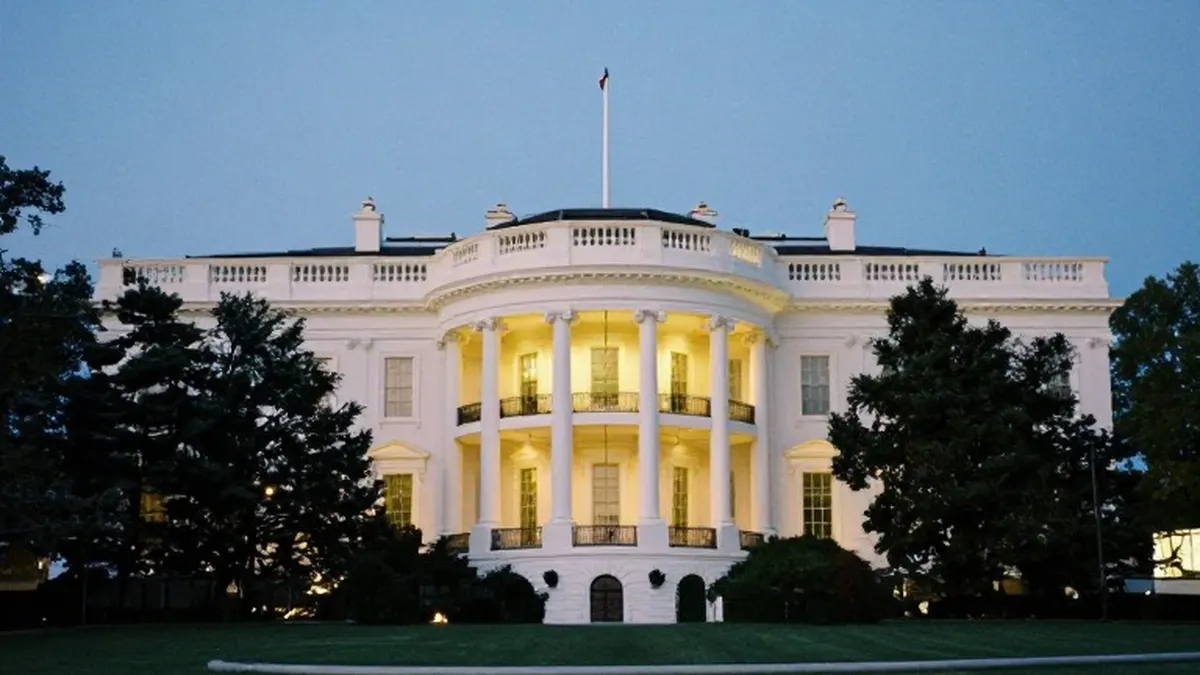
President Donald Trump signed an executive order on Friday that seeks to limit the ability of Congress to request specific information from federal agencies and their employees. The move appears to be a strategic response to threats from Democratic lawmakers who have pledged to conduct sweeping investigations into the administration following their victory in the midterm elections.
The directive, formally titled “Protecting the Executive’s Privileges and Enhancing Efficiencies in Federal Contracting,” establishes that Congress cannot seek information from government workers or federal contractors without a “valid legislative purpose.” The order specifies that such requests must not intrude on core executive functions.
According to the text of the order, the ability of the legislative branch to seek executive branch information is limited. It clarifies that agencies, employees, and federal contractors are not required to provide information unless the request meets this specific standard of legislative necessity.
The executive order also imposes new requirements on third-party federal contractors. These entities are now required to notify and coordinate with the White House before releasing certain information to Congress. The order states that all federal contractors must immediately inform the White House and relevant contracting agencies of any pending or future congressional requests and must abide by any instructions received from the executive branch.
Legal experts suggest that if the White House orders administration officials to withhold communications from a congressional investigation using executive privilege, the dispute could ultimately be resolved in court. The Department of Justice previously defended the administration's power to invoke this privilege in a memo issued earlier this year.
Democratic leaders have vowed to investigate President Trump and his allies since retaking majorities in both chambers of Congress. Their approach mirrors the tone adopted after the party won the House in the 2018 elections. Incoming House Oversight Committee Chairman Robert Garcia, a Democrat from California, sent a direct message to the administration on election night, posting “Lawyer up” on social media.
In response to the anticipated investigations, White House Counsel Will Scharf issued a letter pledging to fight back against Democratic probes. Scharf also informed Democratic ranking members that they did not yet have the authority to send formal letters notifying of investigations until they officially assumed the majority in January.
Recently, Scharf issued an internal directive to White House staff requiring them to receive the administration’s approval before testifying to Congress. This measure further tightens the administration's control over how information is shared with the legislative branch.
The new executive order marks a significant shift in the dynamic between the executive and legislative branches. By formalizing the requirement for a valid legislative purpose, the administration aims to streamline federal contracting while protecting sensitive executive communications from what it views as overreaching congressional inquiries.
As the new congressional session approaches, the tension between the White House and the incoming Democratic majority is expected to intensify. The executive order provides the administration with a clear legal framework to manage these interactions, potentially leading to further legal challenges as both sides test the boundaries of their respective powers.
Originally published by News Media House
More News · National news · Report a business · Got a Story?