Prediction markets call 54 Senate seats before polls close
Platforms Kalshi and Polymarket projected the Democratic win in key states up to 31 minutes before major news networks, cementing their role in election forecasting.
By Robert Ward ·
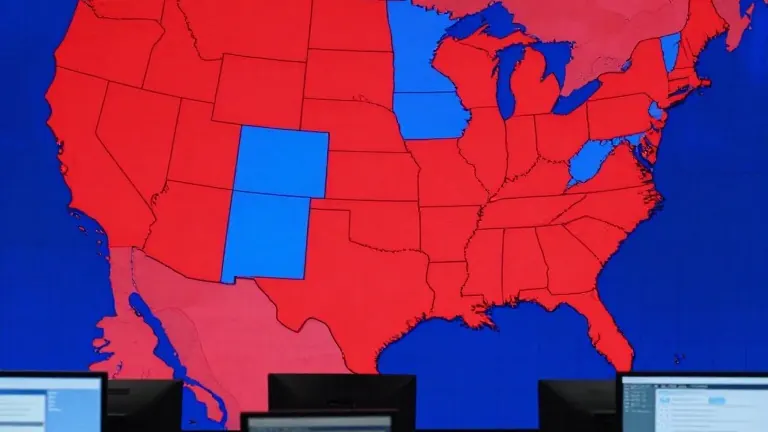
Prediction market platforms accurately forecasted a Democratic sweep of Congress on Tuesday, calling multiple races before official polls closed. By 6:00 p.m. ET, markets favored Democrats to win at least 53 Senate seats, with a 54th contest considered a toss-up. The final count confirmed the projection, as Democrats secured 54 seats, including victories in Iowa and South Carolina.
In Iowa, the race was priced at 50-50 odds prior to the election. In South Carolina, Republicans were initially favored, yet the Democratic candidate prevailed. Markets also assigned 90% odds to Democrat Scott Colom in Mississippi and Mary Peltola in Alaska, where results remained pending.
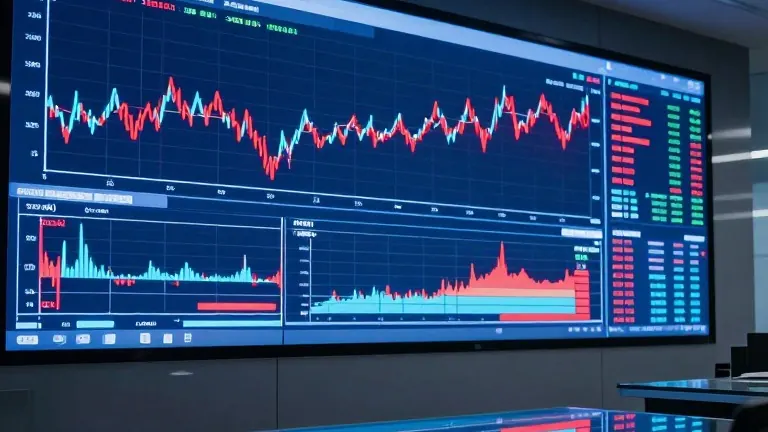
Leading platforms posted projections on X during the night, often preceding calls from major media outlets. Polymarket reported that in 10 key races, its calls arrived a median of 31 minutes before projections from CNN, Fox News, and the Associated Press. Shayne Coplan, CEO of Polymarket, noted that the gap between market calls and TV network calls is now routinely measured in hours.
Jack Such, a spokesperson for Kalshi, stated that the platform makes calls when candidate odds exceed 99% and opposing trading activity subsides. The platforms demonstrated rapid adjustment capabilities. In South Carolina, Annie Andrews became the favorite on Kalshi within 30 minutes of polls closing. In Texas, Gina Hinojosa’s odds on Polymarket surged from 39% to 73% within five minutes of initial results.
Experts attribute the speed to a global network of financially motivated participants. Rajiv Sethi, an economics professor at Barnard College, compared low-odds wins to the probability of flipping two heads in a row, noting that such outcomes are not statistically surprising. Eric Zitzewitz, an economic professor at Dartmouth College, cautioned that casual observers may misinterpret close odds as definitive leads.
Despite the successful night, regulators and researchers continue to push for stronger oversight. Michelle Kendler-Kretsch, a researcher at the Anti-Corruption Data Collective, pointed to a recent Reuters/Ipsos survey indicating that most Americans oppose trading on election outcomes. She argued that the accuracy of this election does not eliminate inherent risks or vulnerabilities in the platforms.
Prediction markets had previously missed major elections, including Brazil’s presidential race, where Lula da Silva had only 20% odds on Kalshi before polls closed. They also misjudged high-profile Democratic primaries in Wisconsin and Michigan. Harry Crane, a statistics professor at Rutgers University, described this cycle as the first true prediction market election, noting that the platforms were previously part of the conversation with less certainty.
Source: CNBC