Park on former landfill gets gas fix
Wyandotte County will spend $656,000 to repair the gas collection system beneath John Garland Park.
By Ella Cox ·
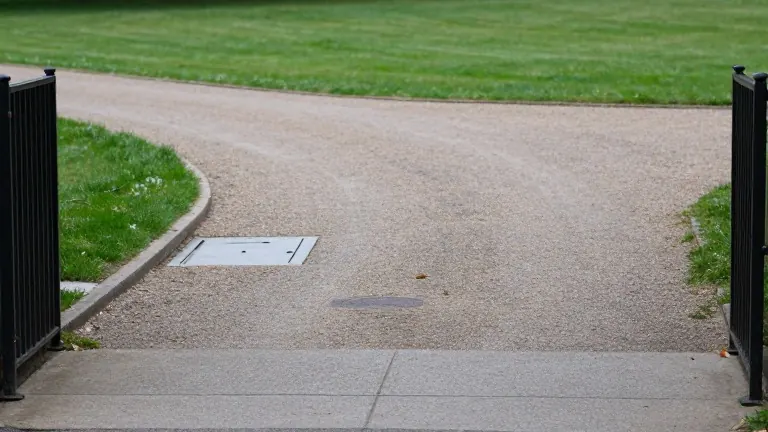
Construction is expected to begin soon at a Kansas City park built on top of a closed landfill.
The Unified Government of Wyandotte County and Kansas City, Kansas, is spending about $656,000 to repair the landfill gas collection system at John Garland Park. The money comes from the monthly user fees that residents pay for trash and recycling collection.
Officials say the gas collection system has degraded over time. Methane gas has migrated underground past the boundaries of the original collection pipes. Dave Reno, a community engagement officer for the UG's Public Works Department, explained that gas follows the path of least resistance. He said the gas can migrate into nearby businesses, basements, or under streets if it is not captured.
Monitoring recently detected methane levels above a set threshold. When this happens, the Unified Government is required to take action. A spokesperson for the Kansas Department of Health and Environment said the system uses suction to pull gas to a central location for treatment. This process works to reduce risk to people near the site.
The park site operated as the Kansas City Sanitary Landfill from 1972 to 1974. It is classified as a brownfield site by the Environmental Protection Agency. According to a KDHE spokesperson, municipal, industrial, and commercial waste was dumped at the location for two years. Reno noted that the site was built before many current environmental laws were enacted. He described the site as a model landfill developed with the EPA and KDHE.
The landfill was closed and capped in the 1970s. The area was redeveloped as a park by the 1980s. Between 1987 and 1989, state and federal investigators identified the need for additional monitoring. The park was closed in the 1990s due to environmental concerns. It reopened in the 2000s after a gas collection system and monitors were installed.
WD Young has lived in Kansas City, Kansas, his entire life. He currently lives one block from the park. Young remembered the site when it was an active landfill. He recalled that people would throw debris into the hole and cover it with dirt. He said his first thought when the park was built was why they were doing it.
Young said he sometimes smells an odor near his home. He does not currently use the park. He said the community has questions about whether the repairs will contain the gas. He asked if this is a safety issue or something to worry about later in life.
The UG will continue to monitor the site for several more decades as the waste decomposes. Reno said the project focuses on controlling methane migration underground to prevent it from becoming flammable. The park is scheduled to reopen in spring 2027.