Paraguayan President Santiago Peña Impeached After Ueno Bank Collapse
The failure of a digital bank serving 2.9 million customers triggered a political crisis that resulted in the removal of the head of state and the arrest of key executives.
By Ella Cox ·
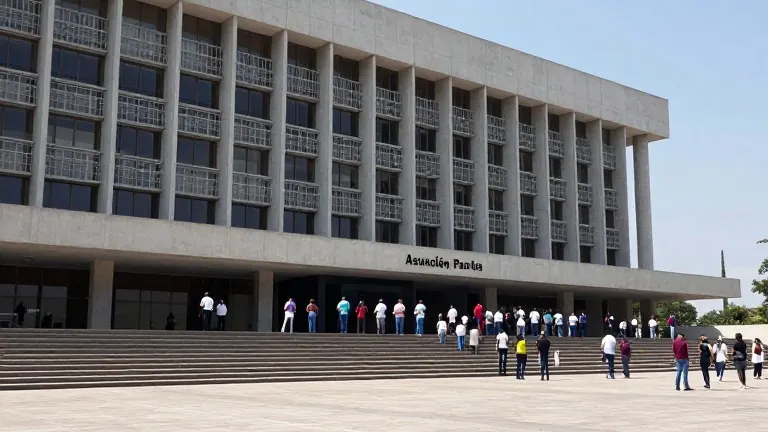
Ueno Bank services ceased operating in the early hours of Tuesday, November 3, causing immediate disruption for millions of customers across Paraguay. The financial shock quickly evolved into a political crisis that resulted in the impeachment and removal of President Santiago Peña on Friday, November 6.
The bank reported that it had 2.9 million customers, a figure representing approximately 60% of the country's adult population. The Central Bank stated that the institution held deposits from about 1.8 million individuals. By Saturday, authorities confirmed that nearly 1.2 million customers had received advance payments through the state deposit guarantee fund, though a large number of people remained without access to their full balances.
Peña resigned on Thursday, November 5, and was formally removed from office the following day. Prosecutors charged him with breach of trust and administration for personal gain on Saturday. A judge ordered him held in pretrial detention at a military facility. Peña has pleaded not guilty. Pedro Alliana, the vice president, was sworn in as the new president to complete the term ending in August 2028.
The scandal intensified due to Peña's personal financial ties to the bank's holding company. In an asset declaration submitted weeks after assuming office in 2023, he listed shares in Ueno Holding valued at approximately $845,000. He sold those shares in March 2025, which represented about 1.6% of the company's paid-up capital. Prosecutors allege he used his position to influence state agencies to maintain deposits with the bank despite these connections.
Ueno Bank began operations as a traditional bank in November 2023 after launching as a fintech in 2021. Its growth was driven by digital convenience and cashback incentives. However, the institution held substantial public funds, including approximately $355 million from the Social Security Institute, or IPS. This amount accounted for roughly 9% of the IPS portfolio. Economists noted that the bank's loan portfolio consisted largely of funds lent to companies linked to its controlling owner, Grupo Vásquez.
Manuel Ferreira, a former finance minister, stated that $146 million in loans went to just three companies connected to Grupo Vásquez. He pointed out that promissory notes for some transactions were signed by the same individuals on both sides. Carlos Carvallo, who led Ueno Bank before being appointed head of the Central Bank in 2023 by Peña, was arrested and charged with breach of trust, administration for personal gain, and producing false public documents. He was held in pretrial detention at a police facility.
Eight other Ueno executives were arrested and charged, including Miguel Vásquez, the 36-year-old chief executive officer. The crisis also drew attention to Horacio Cartes, a former president and tobacco magnate who had supported Peña's rise. Cartes publicly called for an investigation on Wednesday, stating there should be no impunity for anyone. His faction backed the impeachment the following day.
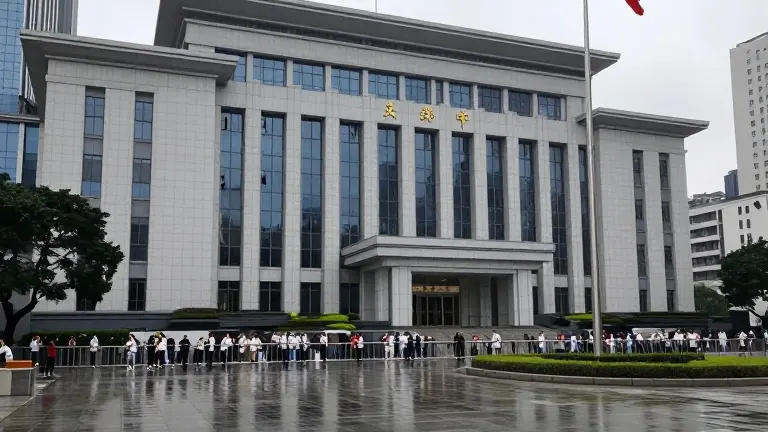
Protests gathered outside Congress in Asunción, with demonstrators citing a lack of accountability and frozen funds needed for basic expenses. Elizabeth González, a 28-year-old barista, said people had lost trust in the banking system. She noted that if local citizens were not confident, foreign investors would be even less so.