Oklahoma Diversion Funds: A decade after approval, rural counties still face funding gaps
Only 43 of 77 counties participate in the County Community Safety Investment Fund, which received its first money in late 2023.
By Ella Cox ·
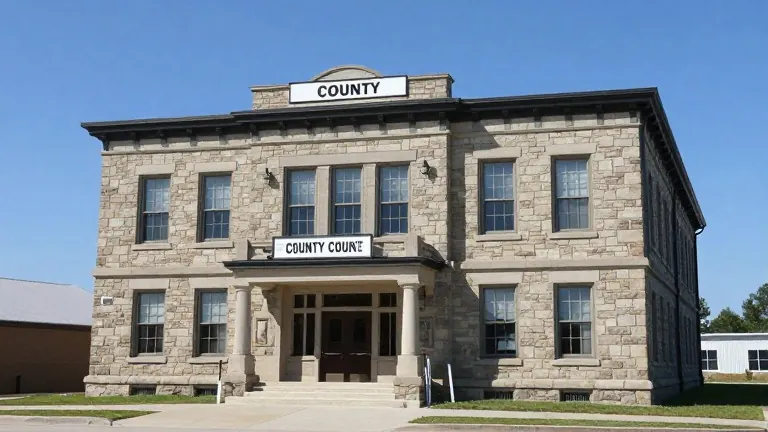
As of Oct. 20, 43 of 77 Oklahoma counties were participating in the County Community Safety Investment Fund, according to Maria Chaverri, a spokeswoman for the Department of Mental Health and Substance Abuse Services. Applications for the next funding round remain open through the end of October.
The fund was created by State Question 781, a ballot measure approved in 2016 that directed savings from reduced prison populations to local diversion programs. Lawmakers took more than six years to establish a funding formula and release the first money, which became available in late 2023. By that time, many county officials were unfamiliar with the program or uncertain which initiatives qualified for support.
At an Oct. 21 interim study, rural court officials and advocates outlined obstacles to implementing these programs. The smallest counties receive a minimum allocation of $62,500, while response times for mental health services lag in isolated areas. Michelle Kirby-Roper, an associate district judge in Beckham County, started a jail-based treatment program after applying for funds in 2024. She noted that group therapy helps, but participants often drop out if there is a long gap between release and the start of treatment.
Kirby-Roper suggested the state offer a financial incentive for completion. She proposed that misdemeanor drug offenders who enter a treatment program and stay clean should have their cases dismissed with all costs waived. Oklahoma and Tulsa Counties launched diversion programs with these terms in 2021. Meagan Taylor, CEO of the Diversion Hub, reported that the Oklahoma County program has served 2,302 participants with a 73% graduation rate. Most of the funding for that specific program comes from sources other than the State Question 781 fund.
Rep. Meloyde Blancett, D-Tulsa, said the state has not fully executed the intent of State Question 781. She argued that current approval processes slow down program launches. Court officials must currently get approval from county commissioners before submitting a funding application. Blancett suggested shifting that authority to judges or district attorneys within the justice system to speed up the process.
Brittany Hayes, senior vice president of policy at the Healthy Minds Policy Initiative, said changing the approval mechanism would not require a constitutional amendment. Hayes noted that 19% of Oklahomans experienced a substance abuse issue in the past year, and three-quarters of those individuals did not receive treatment. The department is currently working to develop model programs and streamline the application process for future rounds of funding.
Source: Oklahoma Watch
More Business · Consumer Alerts · Report a business · Got a Story?