Oil prices drive global emissions drop
A conflict in Iran caused a 0.4 percent decrease in 2026 fossil fuel output, according to new data from the University of East Anglia.
By Robert Ward ·
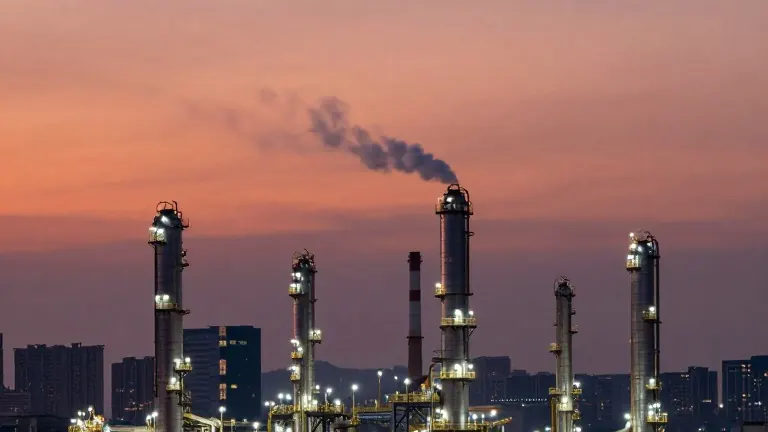
Global fossil fuel emissions fell by 0.4 percent in 2026, marking the first decline in decades. This drop breaks a long pattern of consistent year-over-year increases. Researchers from the University of East Anglia released the analysis on November 10. The data shows a temporary pause in the upward trend of carbon output.
Corinne Le Quéré led the study team. They attribute the decline primarily to the ongoing conflict in Iran. The war disrupted global oil supplies and pushed prices higher. These economic pressures temporarily suppressed consumption. The team believes this dip is a short-term anomaly rather than a sign of lasting progress.
The reduction varied across different energy sources. Emissions from oil use dropped by 1.9 percent. This was the largest decrease among the three major fossil fuels. The sharp cut in oil-related carbon output drove the overall global decline. Natural gas emissions also fell, but by a smaller margin of 0.3 percent.
Coal emissions moved in the opposite direction. They increased by 0.6 percent in 2026. This rise indicates that the disruption in oil markets did not immediately reduce coal consumption. The shift in the energy mix shows how geopolitical events affect different fuel sectors in distinct ways.
The 2026 decline follows a period of rapid growth. In 2025, fossil fuel emissions rose by 1.2 percent. That figure exceeded the average annual growth rate of 0.8 percent recorded between 2019 and 2025. The volatility in recent years reflects the impact of recent geopolitical shocks on the global carbon system.
Researchers caution that single-year data can be misleading. Natural variability often influences climate metrics. For example, the cyclical effects of El Niño and La Niña can shift global temperatures from one year to the next. Past brief pauses in warming trends have sometimes been misinterpreted as the end of global warming. The focus must remain on the long-term trend rather than single-year fluctuations.
The Global Carbon Project conducts this analysis. The initiative compiles statistics on fossil fuel usage and other carbon sources like deforestation. It tracks these metrics globally and by individual country. The researchers examined the latest statistics to identify underlying trends that help predict emission levels over the next several years.
The team emphasizes that 2026 does not represent a peak in global carbon output. Without further structural changes in energy policy or technology adoption, emissions are likely to resume their upward trajectory. This will happen once the immediate effects of the Iran conflict subside. The current dip highlights the sensitivity of the global carbon system to external shocks.
More News · National news · Report a business · Got a Story?