Carter family farm sold for $8.5 million to conservation group
The 2,458-acre property in Plains, Georgia, where the 39th president grew up and fished will be opened to the public for recreation and transferred to state management.
By Robert Ward ·
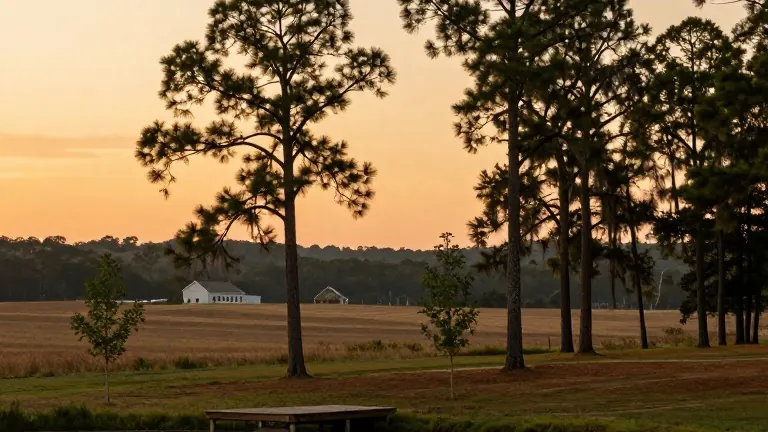
The family farm of former President Jimmy Carter has been acquired by The Conservation Fund, ensuring the 2,458-acre property will be preserved and opened to the public. The purchase price was $8.5 million, according to The Washington Post.
The land is located just outside Plains, Georgia, the hometown of the 39th president. Carter, who died in 2024 at the age of 100, worked the fields as a boy tending peanuts, corn, and sugarcane. He returned to the property frequently as an adult to walk with his wife, Rosalynn, and to hunt. Rosalynn Carter died in 2023. Near the end of his life, Carter made one final trip to the farm to fish in its pond.
Jason Carter, a grandson of the former president, stated that the land held deep personal meaning for the family. "For our family, this land was always about more than a farm. It was home, a place my grandparents treasured," Carter said. He added that the family is grateful to the fund for protecting the property for future generations.
The Conservation Fund announced the acquisition on Monday. The organization plans to make the farm available to the public for hunting, fishing, and outdoor recreation as soon as next year. The following year, the fund intends to transfer the land to the Georgia Department of Natural Resources.
Carter had specific requests regarding the vegetation on the property. The family kept a stand of mature longleaf pines at his direction. One of his final decisions for the land was to replant much of it with young longleaf pines.
This replanting effort allows the property to expand Georgia's Lanahassee Creek Wildlife Management Area. The management area will grow to almost 7,000 acres, or 2,833 hectares. The Plains area already hosts the Jimmy Carter National Historical Park, which includes the former president's boyhood home.
Stacy Funderburke, vice president of the central Southeast region at The Conservation Fund, said the land shaped Carter's legacy. "This land shaped him and his legacy, and he never stopped coming home to it," Funderburke said. She noted that the fund is honored to ensure the land remains healthy habitat for wildlife.