LSU AgCenter expert urges Louisiana gardeners to stock frost cloth before first freeze
Average first frost dates arrive in November for northern parishes and December for southern ones, but horticulturalists warn that early or late cold snaps can damage tender plants if covers are not ready.
By Ella Cox ·
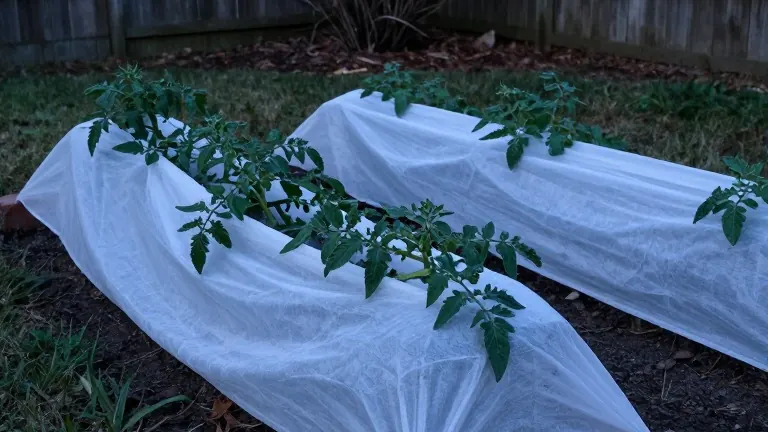
Gardeners across Louisiana are advised to acquire insulating frost cloth immediately to prepare for the upcoming cold season. Damon Abdi, an assistant professor of landscape horticulture at the LSU AgCenter Hammond Research Station, stated that the material provides necessary temperature insulation during transitional weather. He noted that the cloth helps keep plants visually intact when forecasts indicate chilly turns in the fall or unexpected cold in the spring.
Average first frost dates vary by region within the state. Northern Louisiana typically sees the first freeze in early November, while southern parishes experience it in early December. Much of the state encounters its initial frost by mid-November. These figures represent historical averages, and weather patterns can deviate from these timelines. An unanticipated early frost can cause foliage and flowers on cold-sensitive plants to become dark and mushy. Conversely, a late frost in March or April can harm tender new growth and recently planted gardens.
Abdi explained that blankets and other coverings can also shield plants from cold damage. However, many gardeners prefer frost cloth because it is lightweight and breathable. Research conducted at the Hammond Research Station has demonstrated the effectiveness of this material. Abdi said that frost cloths of different weights and materials can offer several degrees of insulation. He described this added warmth as the difference between plants looking good and looking rough during seasonal changes.
The product is not uniform in composition. Gardeners can find various types at local garden centers. Abdi described woven materials with interspersed strands and nonwoven options. Several weights are available, allowing users to select the material best suited for their specific site and plants. When a frost is predicted, the cloth should be draped over the plants and extended all the way to the ground.
Securing the coverings is essential for proper function. Gardeners are advised to use sod staples or heavy objects such as bricks to hold the cloth down. Abdi stated that this method traps radiant heat from the soil. Plants in Louisiana typically require covering only during overnight hours. The cloth must be removed or vented during the daytime. If left on in the sun, a substantial amount of heat can build up underneath the material and burn the plants.
The preparation allows growers to respond quickly to changing conditions. Abdi emphasized that a little preparation helps avoid damage to tender plants. The choice of material depends on the specific weight and weaving structure available. The goal is to maintain the health of the foliage and flowers through the winter transition.
Source: The Advocate