IEA projects Strait of Hormuz oil flow to fall from 20 million to 8.5 million barrels daily by 2030
The agency's latest outlook states that the Iran conflict has permanently altered global energy trade routes and domestic policy priorities.
By Ella Cox ·
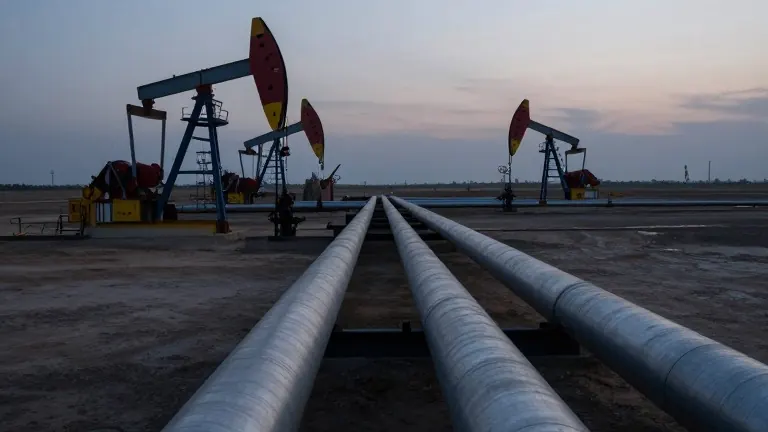
The International Energy Agency forecasts that daily oil transit through the Strait of Hormuz will drop from 20 million barrels to 8.5 million barrels by 2030. The Paris-based organization released its annual World Energy Outlook on Thursday, stating that the conflict with Iran marks a permanent shift in global energy systems. The report predicts that flow through the narrow passageway could fall below 2 million barrels per day by 2035 as nations reduce their dependence on the route.
The agency attributes this structural change to the energy shock triggered by the war. In March, the IEA coordinated the release of 400 million barrels of crude oil stocks to stabilize markets. Executive Director Fatih Birol stated that the conflict delivered a huge shock to the system. He noted that the longer the crisis lasts, the deeper the effects will be. Birol said he does not see a credible pathway for the energy world to return to pre-war conditions.
Governments in energy-hungry nations are now prioritizing security and affordability for electricity. The report identifies solar and nuclear power as the primary beneficiaries of this shift toward domestic energy sources. However, the data also suggests a renewed interest in coal as a backup fuel. This is particularly evident in Asia, where coal-rich countries entered a state of energy triage when the strait was cut off. The IEA describes these nations as likely to retain coal as a fallback option during future crises.
The new outlook aligns with discussions at COP31, the United Nations climate conference currently in its second and final week in Turkey. The U.N. recently announced that the world is dangerously close to missing the goal of limiting warming to 1.5 degrees Celsius. Delegates are negotiating a plan to increase the share of electricity in total global energy consumption from roughly 21% to 35% by 2035. Turkey is pushing for this target, though current documents do not mandate that the new electricity comes exclusively from renewable sources.
Rachel Cleetus, climate program director at the Union of Concerned Scientists, said the IEA report confirms that the energy system has been irrevocably changed. She argued that the crisis adds to the reasons countries should transition to clean energy and electrification. Mohamed Adow, director of Power Shift Africa, described the event as exposing the price of fossil fuel dependence. He noted that a conflict thousands of miles away can send energy bills soaring at home.
The 560-page report analyzes government and private data to project various future scenarios. It notes that the world’s energy sector will have a distinct before and after the Iran war. The Middle East remains the largest oil exporter, but the trade landscape is diversifying. The IEA states that conflicts, trade tensions, climate risks, and cyberattacks are increasing the number of possible energy futures.
Global electricity demand is rising due to climate pressure. The IEA reported that energy demand for cooling is now overtaking demand for heating for the first time. India is expected to account for more energy demand growth over the next decade than any other region. China’s electrification rate, currently at 32%, is projected to reach 43% by 2035, the highest among major economies.
More Business · Consumer Alerts · Report a business · Got a Story?