Bexar County’s High Dementia Rates Drive $200,000 Grant for Early Detection Research
Trinity University scientists will study baboons to identify molecular brain changes that occur decades before symptoms appear in humans.
By Robert Ward ·
A $200,000 grant from the San Antonio Medical Foundation is funding a study designed to identify molecular changes in the brain before symptoms of Alzheimer’s disease and related dementias become visible to patients. The research, beginning this month, aims to establish early detection tools that could allow for earlier intervention and treatment.
The local context for the study is stark. Alzheimer’s disease and related dementias affect approximately 13 percent of residents over the age of 65 in Bexar County. This figure exceeds the national average rate of 12 percent, according to data from the Alzheimer’s Association. The disorders progressively destroy memory, thinking, and the ability to perform daily tasks.
Kimberley Phillips, Ph.D., a psychology professor and director of neuroscience at Trinity University, is leading the proof-of-concept study. She stated that brain changes often occur 10 to 20 years before any behavioral, cognitive, or gait-related symptoms appear. The goal is to link these early molecular shifts to observable declines in function.
Phillips is collaborating with Eric Vallender, Ph.D., associate director of research at the Texas Biomedical Research Institute, and Adam Salmon, Ph.D., associate director of the Sam and Ann Barshop Institute for Longevity and Aging Studies at UT Health San Antonio. Corinna Ross, Ph.D., director of the Southwest National Primate Research Center at Texas Biomed, is also part of the team.
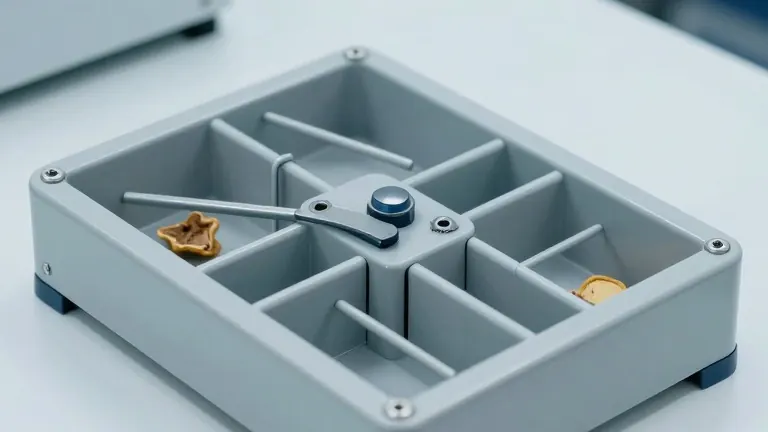
The study will use baboons as primary subjects because they share close neurological, biological, and genetic traits with humans and exhibit similar patterns of neurodegenerative cognitive decline. Researchers at the primate center will have animals of varying ages complete cognitive tasks using a toy maze with multiple configurations. A scientist places a piece of dried fruit in a compartment, and the baboon must manipulate a tool to retrieve it.
The team will record how many challenges each animal completes and the time required for each. By comparing the performance of older baboons with younger peers, the researchers can track changes in ability over time. The study will also monitor real-time molecular, cognitive, and biomarker changes.
Two Trinity undergraduate students in psychology and neuroscience will join Phillips’ lab this fall to assist with the cognitive testing. Phillips noted that the project creates opportunities for undergraduates to participate in advanced research. She described the work as a foundation for larger future grants to the National Institutes of Health, stating that the team needs to demonstrate its capacity to conduct this specific type of work.
Source: Trinity University