Ireland's hidden collection of banned books to be moved to National Archives
A secret room containing 12,000 censored volumes in Dublin will be transferred to the National Archives as part of a new repeal of censorship laws.
By News Media House Staff ·
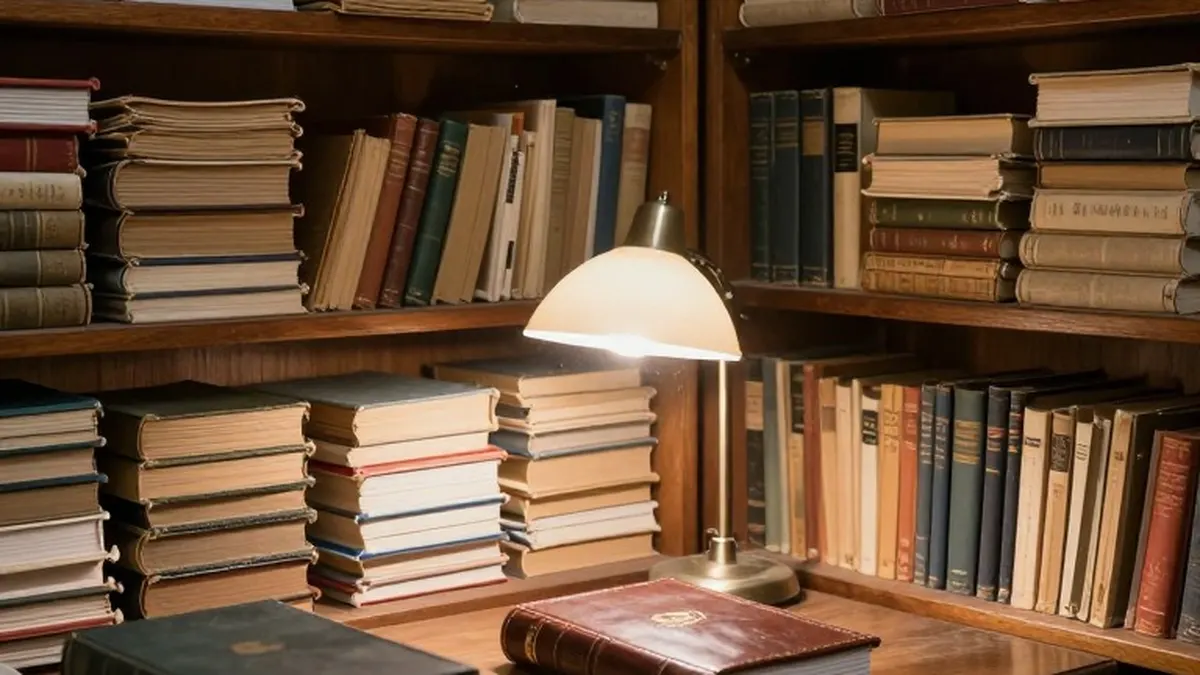
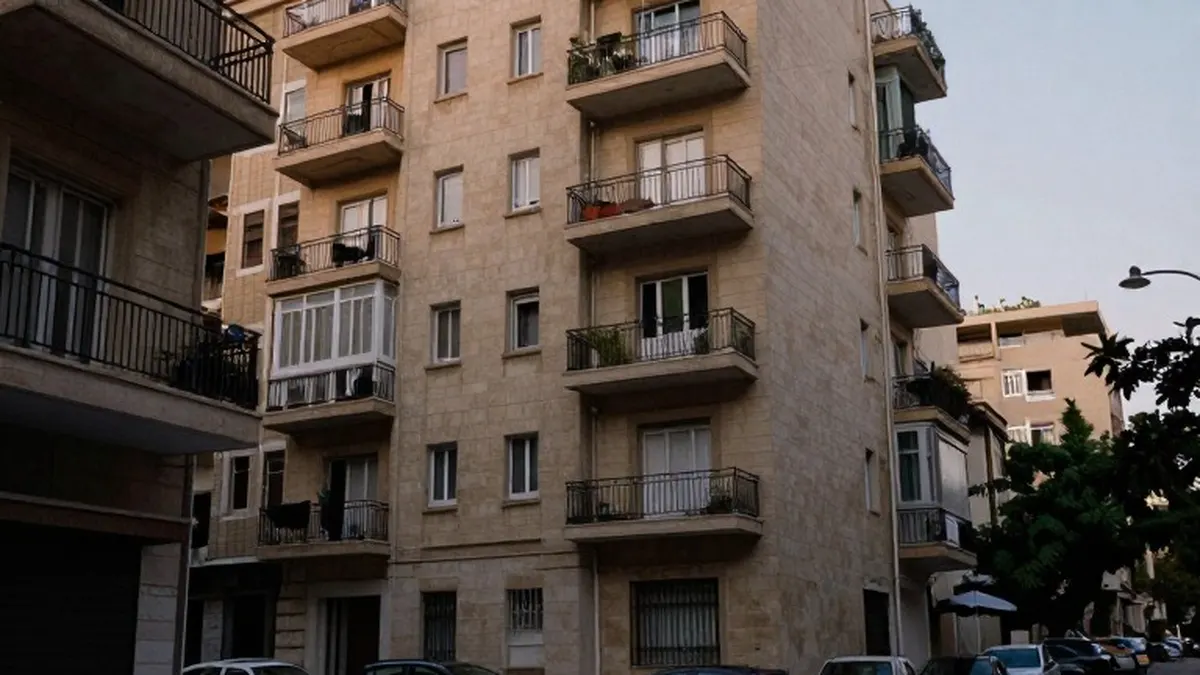
For nearly a century, a government building in central Dublin has housed a secret repository known as the banned books room. Located within the department of justice on St Stephen's Green, this space stored approximately 12,000 titles that had been classified as indecent or obscene. The public was previously denied access to these shelves, which served as a holding area for works condemned by the Censorship of Publications Board.
This board acted as a guardian of public morals and frequently rejected literature that featured sexual content or other perceived corruptions. Many well-known authors were affected by these decisions, including Harold Robbins, Ian Fleming, Edna O'Brien, Brendan Behan, Oscar Wilde, DH Lawrence, JD Salinger, John Updike, Iris Murdoch, and F Scott Fitzgerald. Their works were effectively placed in a literary graveyard until now.
The collection is set to be relocated to the National Archives following the repeal of Ireland's censorship laws. In addition to the books themselves, the censors' notes, minutes, and ledgers will be made available to the public for the first time. This archive is expected to be a valuable resource for researchers studying social history and state control over media.
Orlaith McBride, the director of the National Archives, explained that censors often banned works they felt subverted public morality. She noted that even subtle innuendos regarding sexual immorality were enough for a book to be deemed unwholesome or likely to corrupt readers.
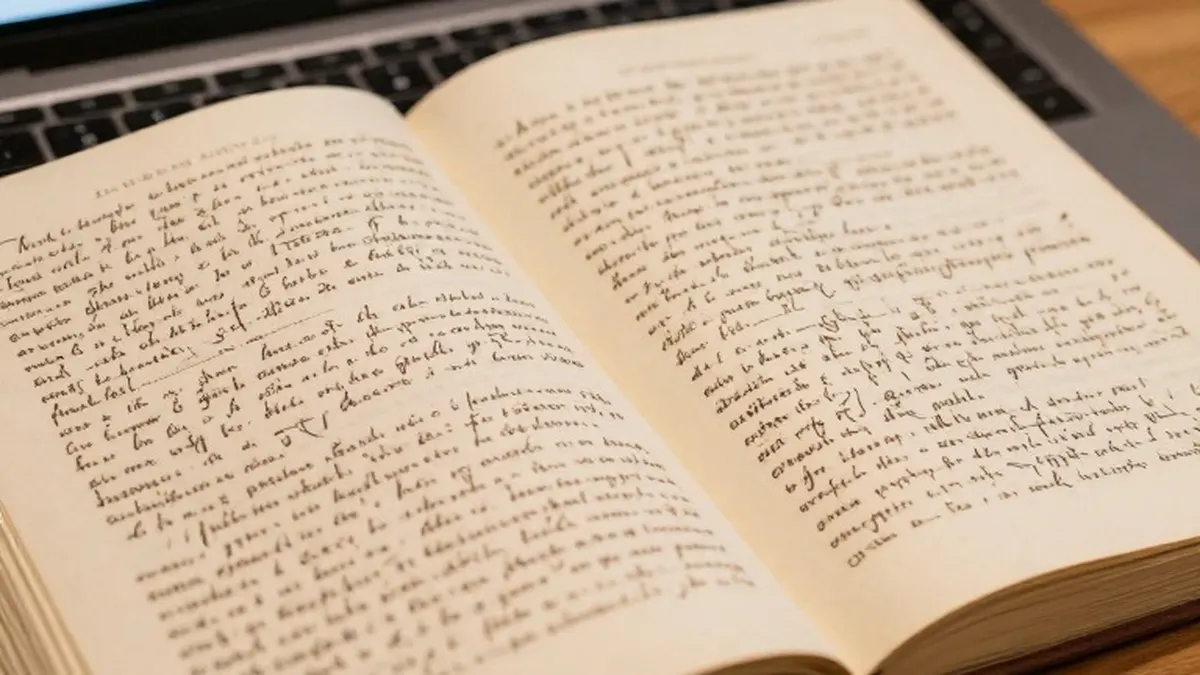
The collection spans the period from 1926 to 1996 and includes a wide range of genres, from pulp fiction to academic texts. References to family planning, contraception, and violence were common reasons for bans. Visual elements also played a role, as seen with the cover of O'Brien's 1960 novel The Country Girls. McBride pointed out that the subtle contours of the female form on the cover contributed to the decision, illustrating that imagery was as important as the text.
The banned list included literary classics such as Wilde's The Picture of Dorian Gray, Behan's Borstal Boy, and Lawrence's Lady Chatterley's Lover. It also featured sensationalist paperbacks with titles like The Baby Doll Murders and Torrid Tale of a Wicked Town. Academic works, including Sexual Life in England Past and Present and the collected works of Belgian poet Pierre Louÿs, also found their way into the collection.
Brian Hughes, a history lecturer at the University of Limerick's Mary Immaculate College, observed that modern readers might be surprised by the strictness of the original bans. He suggested that the changes reflect a broader shift toward a more secular and liberal society, particularly regarding attitudes toward sex and sexuality.
The censorship apparatus was established in 1926, shortly after independence, when the Irish Free State created the Committee of Evil Literature. This five-man panel recommended a strict vetting system that led to the formation of the Censorship of Publications Board, which was at one time led by a Catholic priest. The board reviewed material submitted by the public, customs officers, and through a subscription to the Times Book Club.
The physical books and periodicals will be moved to the National Archives after the Christmas period. Many of the volumes are first editions and are in a vulnerable state due to their age, meaning they will not be immediately available for public handling. However, readers can still access these works through online sources and bookshops.
The administrative records, including registers, notes, and correspondence from interest groups, were transferred earlier this week and are currently undergoing conservation. McBride described these documents as the most interesting part of the collection because they reveal the specific reasoning behind each ban.
Originally published by News Media House