UN Agencies Warn of Rising Famine Risks in 16 Global Hotspots
Conflict, fuel costs, and reduced aid are driving increased hunger in 16 countries, with Sudan and Yemen facing the most severe threats.
By News Media House Staff ·
United Nations food agencies have issued a stark warning that hunger is set to deteriorate across 16 countries over the next six months. A joint report published on Friday by the Food and Agriculture Organization and the World Food Programme highlights that conflict, soaring fuel costs linked to the Middle East war, and significant cuts to humanitarian aid are pushing more populations into crisis.
The number of identified hunger hotspots has increased from 13 in the previous report released in June. New additions to the list include Chad, Uganda, and parts of southern Africa and central America, while Lebanon was removed. Sudan, South Sudan, Somalia, northern Nigeria, and Yemen remain under the gravest threats due to a combination of displacement, economic hardship, and extreme weather patterns.
Conor Elliott, a senior official in the FAO's emergencies and resilience office, noted that aid for the five countries facing the most severe hunger threats fell by two-thirds between 2022 and 2025. He described the shift as huge changes in international support, warning that these cuts are also undermining the data collection necessary to accurately assess the scale of the crisis.
Armed conflict and violence are driving hunger in 12 of the 16 hotspots. In Sudan, the risk of famine persists through January 2027 in 13 areas of North Darfur and South Kordofan. Fighting has disrupted food production and markets, causing sorghum and diesel prices to more than double in a year. Approximately 41 percent of Sudan's population now faces crisis-level hunger or worse.
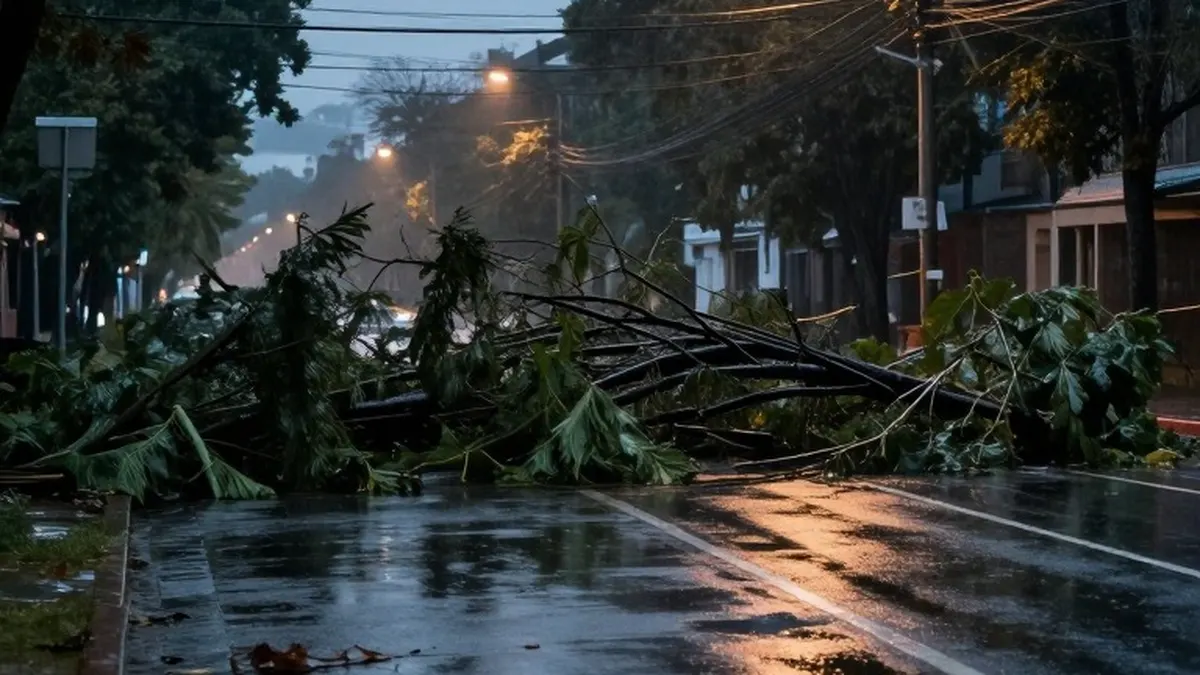
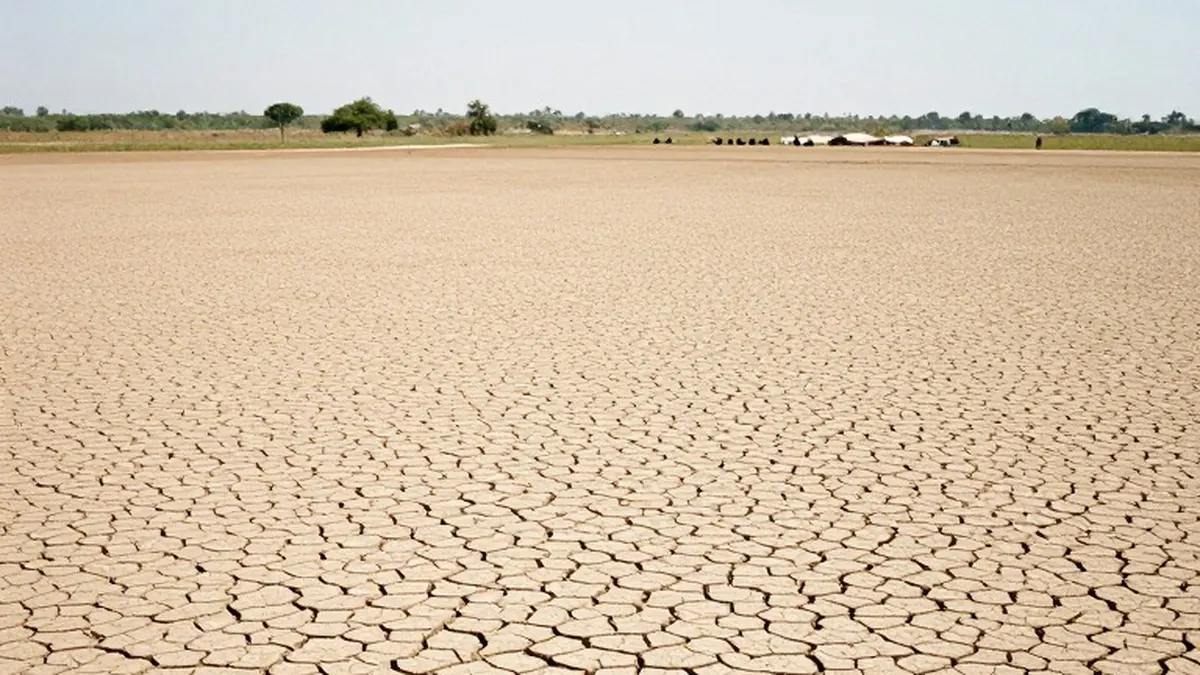
The developing El Niño weather pattern is expected to aggravate the situation, bringing drought and extreme temperatures to southern Africa and parts of central America, while causing destructive flooding in eastern Africa. Elliott warned that some areas could swing from drought to heavy rains in the coming months. In Sudan, drought has already affected up to 55 percent of cropland in Sennar and 70 percent in Gedaref.
In Yemen, hunger is likely to worsen as fighting that resumed in July spreads across multiple fronts. The encirclement of Taiz has created siege-like conditions, displacing more than 300,000 people. In government-held areas, 1.8 million people face emergency levels of hunger, an increase from the previous analysis. The report notes that political obstacles, rather than geographic ones, are the main barriers to reaching those in need, with 73 UN staffers still detained by the Houthis.
Yemen relies heavily on imported food and fuel, and the report warns that attacks on Red Sea shipping threaten this critical lifeline. Wars continue to disrupt shipping routes in the Strait of Hormuz, the Red Sea, and the Black Sea. Food and nutrition assistance to the five highest-risk countries dropped by about 62 percent between 2022 and 2025, with Yemen experiencing a 79 percent decline.
FAO deputy director-general Beth Bechdol emphasized that the predictability of funding is as important as the total amount. She stated that aid for farmers must arrive during planting and harvest periods. With El Niño forecasts available, agencies should preposition seeds and protect livestock before disaster strikes. Bechdol noted that when that window is lost, it is not recovered, leading to funded losses and damage.
The Palestinian territories were moved down one level following the October 2025 ceasefire in Gaza, although 67 percent of the population still faces crisis-level hunger or worse. The report described these gains as fragile. Other areas of very high concern include Afghanistan, Haiti, the Democratic Republic of Congo, and Gaza, with acute food insecurity expected to worsen in the West Bank.
Originally published by News Media House