Turkey Showcases Solar Boom Ahead of UN Climate Summit, but Fossil Fuels Still Dominate
As host of the COP31 summit opening Nov. 9 in Antalya, Turkey is highlighting its renewable energy growth, while critics point to its heavy reliance on coal and lack of a phase-out plan.
By News Media House Staff ·
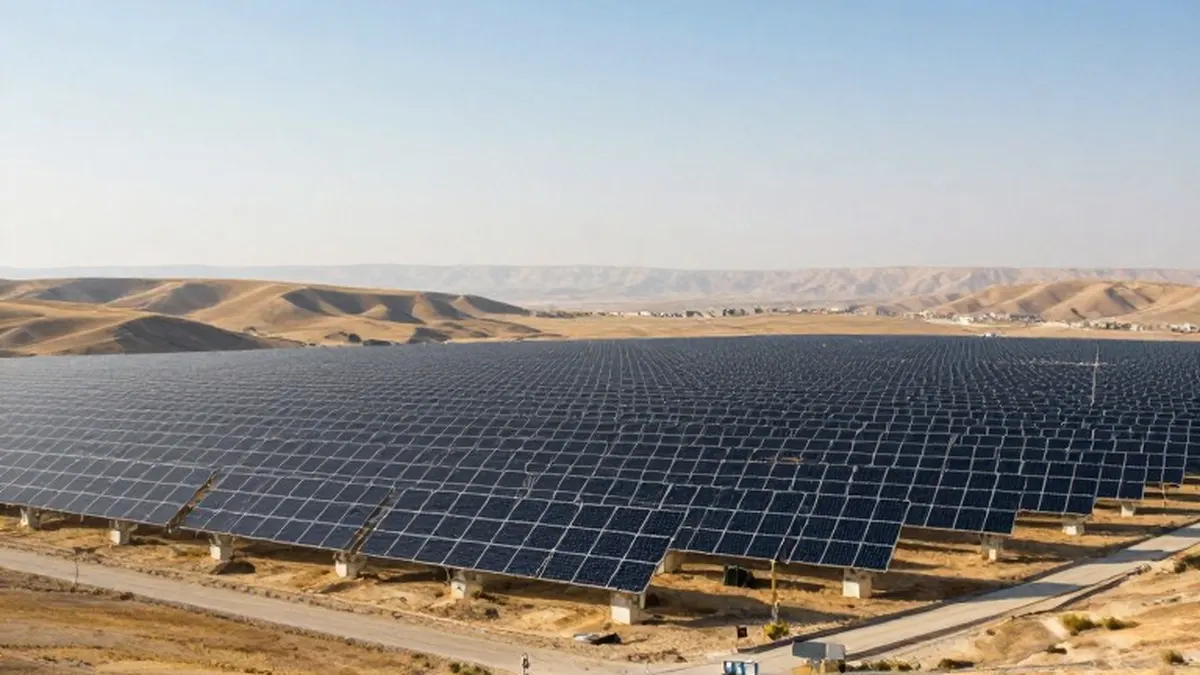
Rows of solar panels stretch across a vast expanse of Turkey's central province of Konya, converting sunlight into electricity and offering the country, as host of the upcoming U.N. climate summit, a showcase for its renewable energy ambitions. Yet climate advocates say those ambitions sit uneasily beside Turkey's continued dependence on coal and its lack of concrete plans to move away from oil and gas.
According to Turkey's Energy Ministry, coal remained the country's largest source of electricity last year, accounting for 33% of generation, though the ministry noted that solar and wind together reached nearly 23% of electricity output.
The town of Karapinar in Konya hosts the Kalyon Karapinar YEKA-1 Solar Power Plant, where more than 3 million panels cover an area the size of 2,600 soccer fields. Operating since 2023, the plant produces enough electricity annually to cover about 0.7% of national demand, plant director Burak Dogru said. "We prevent approximately 1.75 million metric tons of carbon emissions every year," Dogru told The Associated Press, calling it evidence that Turkey is steering its economy and energy sector toward cleaner sources.
Turkey's total greenhouse gas emissions reached 584.5 million metric tons of CO2 equivalent in 2024, the most recent year with available data, according to the Turkish Statistical Institute. Duygu Kutluay, a campaigner with the Beyond Fossil Fuels advocacy group, acknowledged Turkey has planned a major renewable push but warned the plans "contain neither a roadmap for a coal phase-out, nor any planning for a phase-out of other fossil fuels, including gas," calling that "not compatible" with the country's pledge of net-zero emissions by 2053. Turkey is also pursuing nuclear power, with its first plant under construction on the Mediterranean coast and more reactors under consideration.
Some 265 kilometers (165 miles) from Konya, the Mediterranean city of Antalya will host tens of thousands of delegates, world leaders, business figures and civil society representatives at the Nov. 9-20 summit, known formally as the Conference of the Parties, or COP31. The gathering comes amid deepening concern over energy security and the Iran war, which has driven up gas and oil prices and left countries scrambling for supplies, and many experts now argue that the core mission of cutting emissions is failing. The United States, the world's second-biggest carbon polluter after China, will again be absent after President Donald Trump withdrew it from global climate negotiations, and the last two summits ended with little agreement on emissions cuts, their final texts not even mentioning fossil fuels.
Turkey's environment and climate change minister, Murat Kurum, who will preside over the summit, has said he wants COP31 to concentrate on turning commitments into action rather than setting new targets. Turkey plans to promote a "climate implementation bridge," an initiative meant to connect countries with financing, technology and other support to deliver on their pledges. Presenting summit priorities earlier this year, Kurum said the world is not merely waiting for new decisions but wants to see past decisions put into practice. President Recep Tayyip Erdogan has insisted Turkey is committed to environmental protection, and first lady Emine Erdogan has championed a "zero waste" campaign promoting recycling and responsible resource use. COP31 will also prioritize electrification and cuts to waste and methane emissions, Kurum has said.
The Climate Action Tracker, which measures countries against the 2015 Paris Agreement goal of limiting warming to 1.5 degrees Celsius (2.7 degrees Fahrenheit) above early 1800s levels, rates Turkey's targets and policies as "critically insufficient." Human rights groups accuse Ankara of dismissing environmental concerns and frequently arresting activists. This year a court annulled the environmental impact assessment for a planned expansion of the Afsin-Elbistan coal-fired power plant in southeastern Turkey, a ruling environmentalists hailed as a major victory, but plans soon emerged to expand another coal plant in Canakkale in the northwest.
Like other Mediterranean nations, Turkey faces growing risks from heat waves, drought, water scarcity, wildfires and flooding. Last month, rains described as the heaviest in more than 80 years caused severe flooding in Istanbul, the country's largest city, killing eight people. Turkey won the right to host COP31 after a tug-of-war with Australia, which as a compromise has been leading agenda consultations and summit discussions. Climate advocates have criticized awarding the summit to coal-reliant Turkey, and coal exporter Australia has faced criticism too.
U.N. Climate Change Executive Secretary Simon Stiell defended the choice in February, saying a host country's fossil fuel status does not determine a summit's success or failure. With "Turkey and Australia leading this process, there is every opportunity to deliver a very strong outcome," he said.
Originally published by News Media House · Source: ABC News
More News · National news · Report a business · Got a Story?