Taylor Sheridan defends high budget costs for television productions
The Yellowstone creator told Yahoo Finance that cutting expenses would lower product value and reduce viewer numbers.
By Robert Ward ·
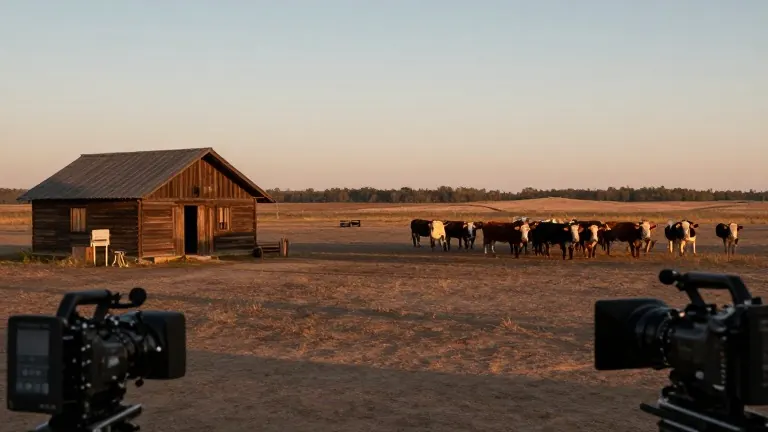
Taylor Sheridan defended the high costs associated with producing his hit television series during a recent interview. The creator stated that he views his work as a premium product and believes the expenses are necessary to maintain quality.
In a conversation with Brian Sozzi of Yahoo Finance, Sheridan addressed the financial scale of his projects. He argued that while executives might suggest saving money, such cuts would diminish the value of the show. Sheridan explained that if a show costs less, it attracts fewer viewers, resulting in less revenue. He said, 'I'm a premium product maker. I only know how to do it one way.'
Sheridan attributed his approach to his background in film. He noted that he learned directing and producing through movies and intends to keep his television series looking like cinematic features. He stated, 'I don't know how to make a TV show, and I'm not trying to learn. I want them to look like movies.'
This stance follows a period of rapid expansion for Sheridan's portfolio. His career momentum began with the series Yellowstone. Subsequent productions, including Landman, Lioness, Mayor of Kingstown, and Tulsa King, have also become major hits. The Yellowstone universe has grown to include multiple interconnected projects.
The high production costs are linked to specific operational choices. Sheridan previously noted that the first season of the series 1923 was likely the most expensive first season ever made. These elevated budgets result from hiring A-list actors and filming in large locations across multiple states or countries.
Sheridan also offered a brief comment on managing difficult business relationships. When asked how he handles high-level executives and finance personnel at production companies, he replied, 'Just don't call them back.'
The creator currently oversees several successful shows that require substantial financial investment. His method prioritizes visual quality and casting over budget constraints, a strategy that has resulted in some of the most popular television programming available.