Summer Meadow Explores Migration Through Pastoral Life in the French Alps
Filmmakers Naël Khleifi and Lisa Debauche use sheep herding in the Alps to challenge conventional narratives about Black and Arab migrants.
By News Media House Staff ·
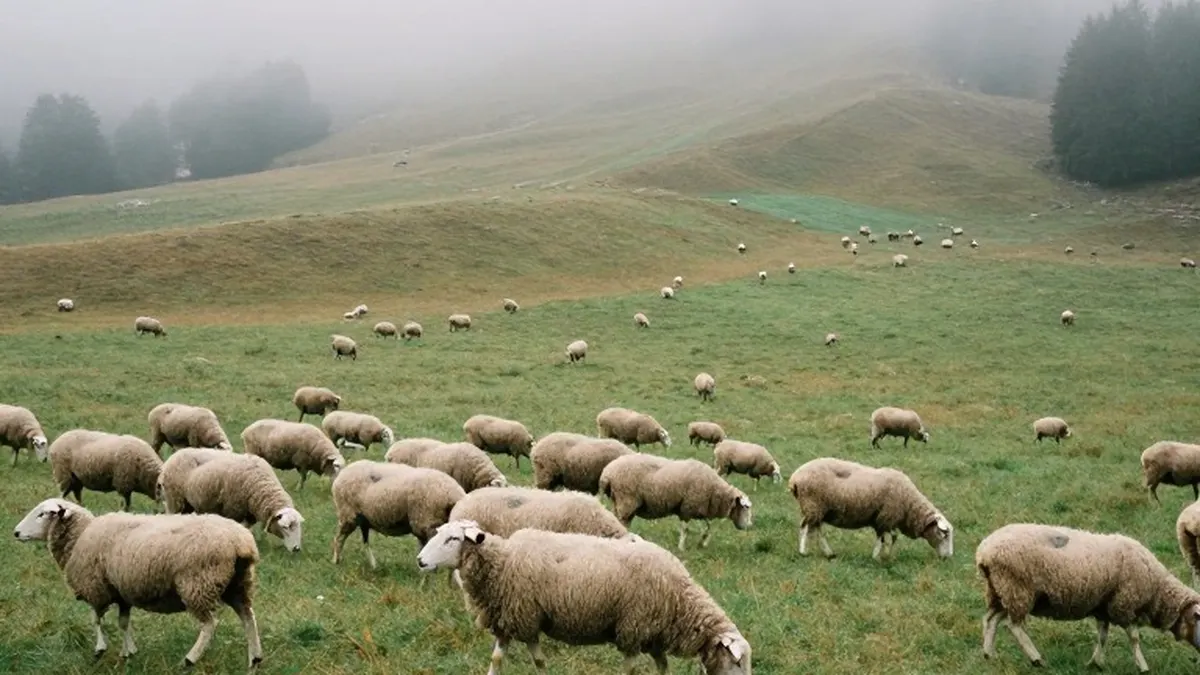
The Belgian French feature Summer Meadow recently screened in the Ajyal Feature Film Competition at the Doha Film Festival. The film was judged by a youth jury following an award winning run at the Locarno and Cairo Film Festivals. The project explores the complexities of exile and migration against the backdrop of quiet pastoral life in the French Alps.
The story follows Hana, a young Lebanese apprentice shepherdess played by Manal Issa, who seeks refuge in the mountains. She eventually forms connections with Lisa, a fellow shepherdess played by Sibylle Bataille, and Kebir, a Moroccan migrant played by Elkebir Belfatmi. These relationships gradually draw Hana out of her isolation. The filmmakers noted that the free movement of sheep across borders served as a conceptual starting point, highlighting the contrast between animal freedom and human restriction.
Director Naël Khleifi, a Belgian Palestinian filmmaker, previously made the 2021 documentary Alpes, which followed activists helping migrants cross the French Italian border at night. For this new project, he sought to challenge conventional Western narratives. He argues that Black and Arab people are often portrayed as forbidden from dreaming, a trope he finds exasperating. Khleifi stated that the film serves as a cry to confront the hypocrisy of the West and assert that everyone has the right to dream.
Co director Lisa Debauche, making her feature debut, emphasized the desire to break people out of categorical boxes. She noted that each journey is unique and rich, and the film aims to reflect that individuality. The creative team also aimed to blur the lines between documentary and fiction. Khleifi described the approach as using documentary techniques to create a fiction film, continuing his cinematic exploration of migration and freedom.
The screenplay evolved significantly during production. During a ten day preparation period, conversations with Issa helped deepen Hana's character. Debauche encouraged Bataille to move beyond scripted dialogue and speak in her own words. Debauche explained that these real life exchanges added soul to the film, noting that reality is often stronger than fiction. The filmmakers also resisted the urge to explain every character motivation, leaving space for viewers to find their own meaning.
Issa had previously grown disillusioned with the film industry's response to the war in Gaza. She questioned whether she was continuing a craft that avoided talking about children dying in atrocious ways. The project gave her the freedom to rethink her craft. Working with nonprofessional actors and sheep allowed her to relinquish control. She compared the experience to an acting workshop, stating that acting is being and that she wanted to be out of control.
Issa, who left Lebanon for France at age thirteen, reconsidered her relationship with freedom through conversations with Belfatmi. She realized that while she had been torn away from her country, she had not fully experienced life. The editing process took place in Europe while Issa was in Beirut during the Israeli bombardment of the capital. This reality informed the decision to close the film with images of Lebanon.
Debauche believes the friendship between Hana and Lisa speaks to the importance of being available to others. Despite their different stories, a sense of trust develops that allows them to make peace with certain things. Issa found solace in her friendship with the filmmakers during her increasing isolation. Debauche encouraged her to share her experiences, which found their way into the screenplay. Issa noted that the film came at the right time in her life, opening her up and helping her speak out more.
Originally published by News Media House
More News · National news · Report a business · Got a Story?